
Must Be 21 To Enter
By entering this site you are agreeing that you are at least 21 Years of Age or older.
I AM 21 OR OLDERBest Strain for Restless Leg Syndrome: 2026 Relief Guide
.svg)

.png)
If you’re desperate for a solution, know this: there’s no single magic bullet strain, but the cannabis community has a pretty strong consensus on where to start. For most people, a potent, muscle-relaxing Indica is the way to go. Strains like Northern Lights are often the first recommendation for their sedative qualities, which can help quiet those uncontrollable urges and deep discomfort that ruin a good night's sleep.
Finding Relief from Restless Leg Syndrome
Another night, another frustrating battle with your own body. Just when you’re ready to relax, your legs start twitching, aching, and screaming for you to move. If this sounds familiar, you're definitely not alone. Restless Leg Syndrome (RLS) turns what should be a peaceful evening into a maddening ordeal.
This guide is all about practical relief, not dense medical jargon. While what works best will always be a little personal, there’s a clear starting point that has helped countless people find some peace. When it comes to the intense physical and neurological symptoms of RLS, Indica-dominant strains are the heavy hitters.
Why Indica Strains Are the Go-To
Think of an Indica high as a "body high." It's like wrapping your legs in a warm, weighted blanket that gently eases the tension and quiets down the misfiring nerves causing all that twitching and crawling. The idea is to find a strain that encourages deep physical relaxation without sending your mind racing.
This makes Indicas a key part of a nighttime routine for anyone trying to get some real, uninterrupted sleep. They tackle both the physical discomfort and the anxiety that often comes with it. Plus, many people find that cannabis is a huge help for the chronic pain that can go hand-in-hand with RLS. If that's part of your struggle, check out our guide on the best weed for chronic pain.
The Classic Example: Northern Lights
When you ask around about strains for RLS, one name pops up constantly: Northern Lights. This legendary Indica is prized for its powerful sedative effects. With a THC content typically hovering around 20%, it’s known for delivering deep muscle relaxation and pain relief—exactly what you need when your legs won't cooperate at night.
This isn't just word-of-mouth, either. One 2017 study found that five out of six RLS patients experienced complete symptom remission after inhaling cannabis. It’s a powerful sign that THC-rich Indicas like Northern Lights can really make a difference, potentially by helping to rebalance the dopamine pathways linked to RLS.
When seeking relief, it's always helpful to see what has worked for others. We've compiled a table of some of the most frequently recommended strains for managing RLS symptoms.
Top Recommended Strains for RLS Relief
| Strain Name | Type | Typical THC % | Primary Terpenes | Reported Effects for RLS |
|---|---|---|---|---|
| Northern Lights | Pure Indica | 16-22% | Myrcene, Pinene, Caryophyllene | Deep body relaxation, sedation, pain relief, sleep aid. |
| Granddaddy Purple | Indica | 17-27% | Myrcene, Caryophyllene, Pinene | Heavy sedation, muscle relaxation, euphoria, stress relief. |
| 9 Pound Hammer | Indica | 18-23% | Myrcene, Pinene, Caryophyllene | Extremely sedative, pain-numbing, long-lasting sleep. |
| OG Kush | Indica-Dominant Hybrid | 20-26% | Myrcene, Limonene, Caryophyllene | Strong physical relaxation, stress reduction, pain management. |
| Remedy | High-CBD Indica | 1% THC, 14% CBD | Myrcene, Pinene, Caryophyllene | Calming without a strong "high", reduces muscle spasms. |
These strains are popular for a reason—they combine the right cannabinoids and terpenes to calm both the body and mind. Remember to start with a low dose to see how your body reacts before settling into a routine.
How Cannabis Can Calm RLS Symptoms
To get why so many people with Restless Leg Syndrome find cannabis helpful, you have to understand what’s happening in your body. Think of an RLS episode like a faulty electrical circuit in your nervous system. It's constantly firing off random, disruptive signals that create that awful, uncontrollable urge to move your legs.
Now, picture your body's own endocannabinoid system (ECS) as the master electrician on call. The ECS is a huge network of receptors running throughout your body, and its main job is to keep everything in balance—what scientists call homeostasis. It helps manage everything from your mood and appetite to pain and, most importantly here, nerve signals.
Taming the Electrical Storm
When RLS acts up, it’s often tied to a communication breakdown in the nervous system, especially with a neurotransmitter called dopamine. This is sometimes called dopaminergic dysfunction. Put simply, the dopamine signals that should be controlling your muscle movements are going haywire. This is where cannabis can step in.
The active compounds in cannabis, known as cannabinoids, fit into your ECS receptors like a key in a lock. By doing so, they can influence the entire system and help get things back in order.
The goal isn't to flood your system with compounds. It's about gently nudging it back toward balance. Cannabinoids interact with the ECS to help regulate the erratic nerve signals at the heart of RLS, offering a more natural way to calm those symptoms.
The Two-Part Approach of THC and CBD
The two most famous cannabinoids, THC and CBD, bring a powerful one-two punch to managing RLS. Each one plays its own unique role in quieting that internal storm.
THC as the Dimmer Switch: Think of THC (tetrahydrocannabinol) as a dimmer switch for your overactive nerves. It directly connects with ECS receptors in your brain and nervous system, helping to turn down the volume on the "noise" that causes all those twitching and crawling feelings. This is why many THC-heavy strains can offer such quick, potent relief. For example, a potent Indica like 9 Pound Hammer can feel like it’s physically weighing your legs down, preventing the muscles from contracting.
CBD as the Soothing Agent: CBD (cannabidiol) works a bit more behind the scenes. It doesn’t create a "high," but it's an incredible supporting actor. CBD is fantastic for reducing inflammation and can help calm general anxiety, both of which can make RLS symptoms feel a whole lot worse. As a practical example, using a high-CBD tincture like one derived from the ACDC strain can help lower the background "buzz" of anxiety and inflammation during the day, making evening flare-ups less likely.
When you combine these effects, you get a much more complete kind of relief. The THC provides the direct nerve-calming and muscle-relaxing benefits, while the CBD tackles underlying issues that can aggravate the condition. If you're curious to learn more about this powerhouse duo, our article comparing CBD vs. THC for pain breaks it down even further.
Ultimately, finding the best strain for restless leg syndrome usually comes down to finding the perfect balance of these two compounds for your specific needs.
Decoding Strains with Cannabinoids and Terpenes
To find the best strain for restless leg syndrome, we have to look past the simple "Indica vs. Sativa" labels. Think of a cannabis strain’s chemical profile as its unique recipe for relief. The two most important ingredients in that recipe are cannabinoids and terpenes.
Getting a handle on these components will empower you to read product labels and pick your products with real confidence. THC acts as a powerful muscle relaxant, tackling the physical symptoms head-on, while CBD brings a gentler, soothing effect to the underlying inflammation and anxiety.
But the real directors of a strain's show are the terpenes.
The Role of Key Terpenes
Terpenes are the aromatic compounds that give each cannabis strain its unique smell and taste—they’re basically the plant's essential oils. They work alongside cannabinoids to create more specific, nuanced effects, and a few of them are especially good for RLS.
Terpenes are the difference-makers. While THC and CBD lay the foundation, terpenes steer the experience toward sedation, pain relief, or mental calm. Matching the right terpenes to your symptoms is how you unlock truly personalized relief.
This diagram breaks down how cannabinoids like THC and CBD can help quiet the faulty nerve signals and inflammation that come with RLS.
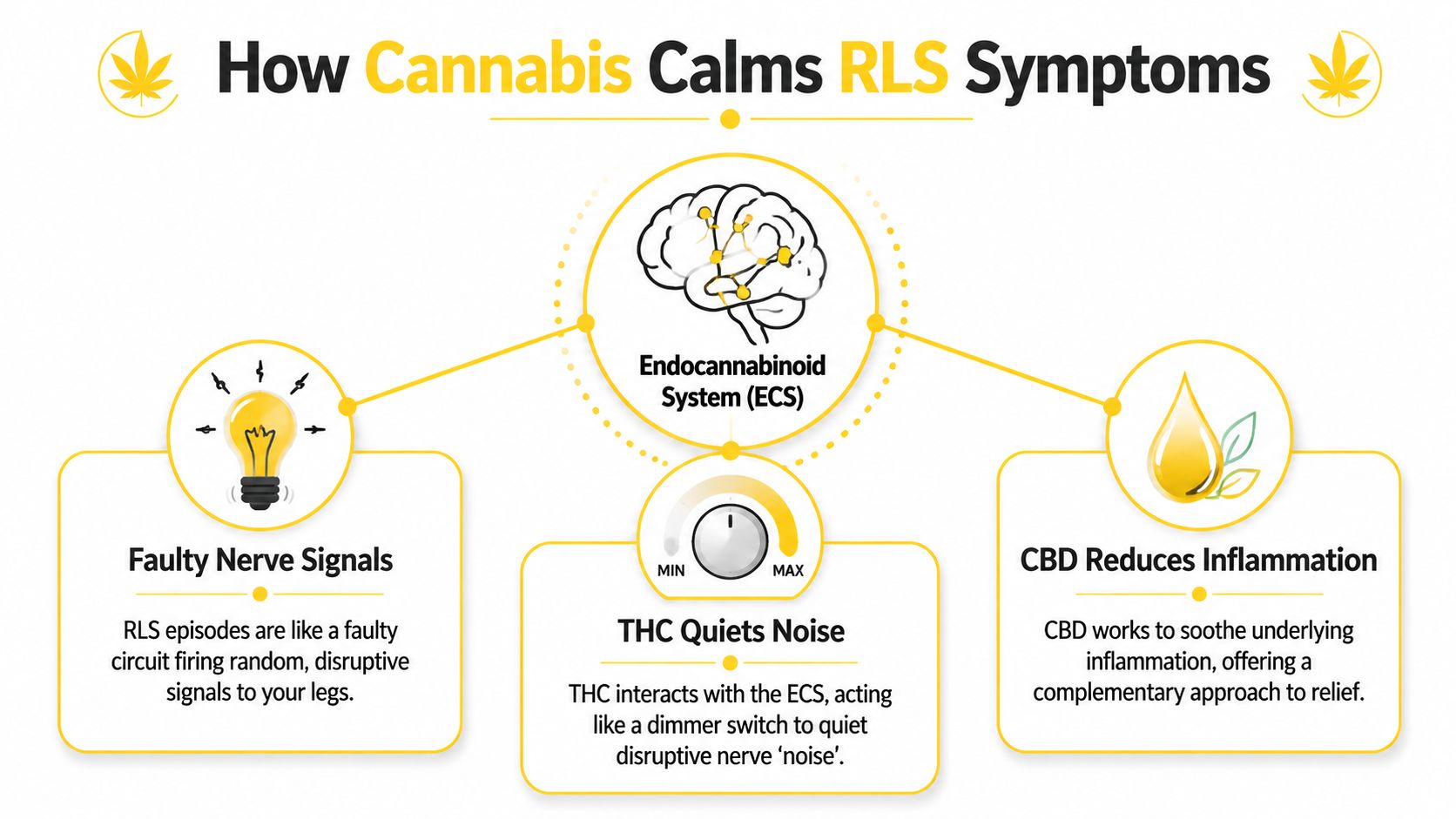
The image shows a two-pronged approach. THC works to directly quiet those disruptive nerve signals, while CBD steps in to soothe inflammation—both interacting with the body's own endocannabinoid system.
When you're scanning a strain's lab results, knowing which terpenes to look for is a game-changer. These aromatic compounds can make all the difference in managing RLS symptoms.
| Terpene | Aroma Profile | Potential RLS Benefit | Strains High in This Terpene |
|---|---|---|---|
| Myrcene | Earthy, musky, fruity (mango) | Strong sedative and muscle relaxant properties, ideal for nighttime use to encourage physical stillness. | Granddaddy Purple, OG Kush, Blue Dream |
| Caryophyllene | Spicy, peppery, woody (cloves) | Binds to ECS receptors to deliver powerful anti-inflammatory and pain-relieving effects, great for aches. | GSC (Girl Scout Cookies), Bubba Kush, Sour Diesel |
| Linalool | Floral, sweet, lavender-like | Known for its potent anti-anxiety and calming effects, helping to quiet a racing mind and promote sleep. | Lavender, Do-Si-Dos, Zkittlez |
By learning to spot these compounds on product labels at Mr. Nice Guys DC, you go from being a hopeful shopper to an informed one. You can start to predict how a strain will actually feel and choose the perfect product to finally get a restful night.
To go even deeper, you can learn more about what terpenes are in weed in our detailed guide.
Top 5 Recommended Strains for RLS in DC
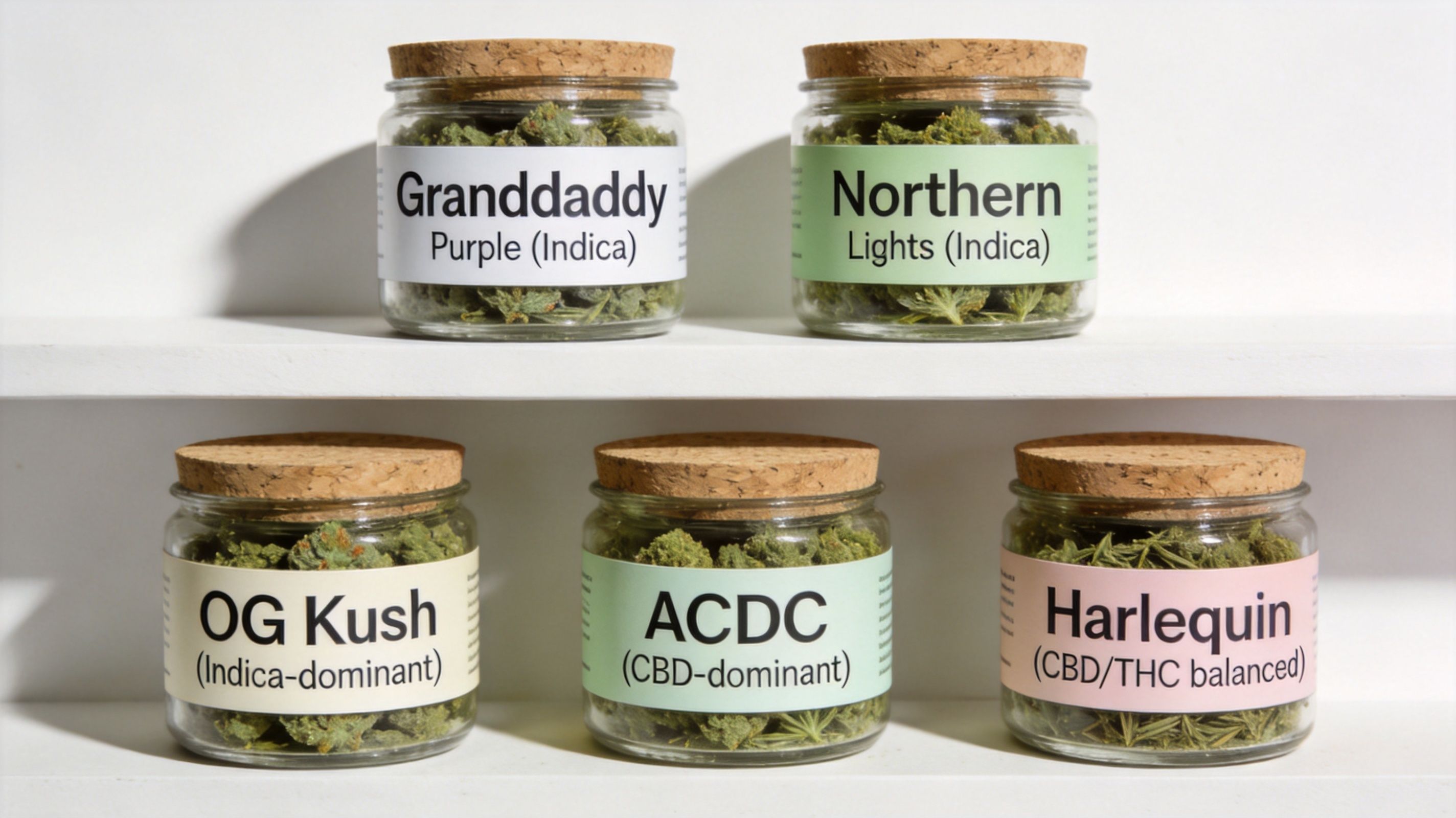
Alright, you get the science. But how do you turn that knowledge into a real shopping list? Let’s get practical. Here are five strains we often recommend at Mr. Nice Guys DC for folks dealing with Restless Leg Syndrome.
We’re going beyond the obvious picks to give you a solid toolkit. For each one, we’ll break down why it works and how you can use it to get some real relief.
1. Granddaddy Purple (GDP)
There’s a good reason this legendary Indica is often called the best strain for restless leg syndrome. GDP is packed with Myrcene, delivering a deep physical relaxation that people describe as a “weighted blanket” for your body. It's perfect for pinning down those twitchy limbs.
- How to Use It: With THC levels hitting up to 27%, GDP is a nighttime-only strain. Plan on using it about an hour before you want to be asleep. That gives its heavy sedative effects time to kick in and stop an RLS episode before it even thinks about starting. For example, take a few puffs from a vape or a small bowl right after you brush your teeth, and by the time you're settled in bed, the relaxing effects should be at their peak.
2. OG Kush
This classic Indica-dominant hybrid brings serious physical relief without knocking you out completely. OG Kush is famous for its happy, stress-melting head high that can quiet the anxiety that often comes with RLS. Meanwhile, its Myrcene and Caryophyllene get to work on relaxing your muscles.
- How to Use It: OG Kush is your go-to for evenings when you just want to relax and watch a movie without your legs starting their own show. It’s effective for the discomfort but lets you stay clear-headed.
Our Take: Finding your perfect strain is all about matching its profile to your specific symptoms and the time of day. The heavy-hitter that saves your nights might be way too much for the afternoon.
3. ACDC
For anyone who needs relief during the day without the high, ACDC is an absolute game-changer. This Sativa-dominant hybrid boasts a CBD-to-THC ratio of around 20:1, which means it has pretty much zero psychoactive effects. You can stay sharp and functional while the high CBD content goes after inflammation and nerve irritation.
- How to Use It: ACDC is perfect for managing those surprise RLS symptoms during the workday. If you feel that familiar tingle coming on, a small dose can bring clear-headed relief without messing with your focus. For instance, using an ACDC vape pen for a quick puff or placing a few drops of an ACDC tincture under your tongue can calm your legs before a big meeting.
4. Harlequin
Harlequin is another fantastic choice for functional relief. It has a more balanced 5:2 CBD-to-THC ratio. You get the anti-inflammatory and calming power of CBD, plus just enough THC to wake up your endocannabinoid system and gently ease muscle tension—all without a distracting high.
- How to Use It: Reach for Harlequin when you need to take the edge off in the afternoon or early evening. It’s ideal for helping you stay comfortable and present during social plans or family time. The subtle mood lift is a nice bonus, too.
5. Blue Dream
This one might seem like an odd choice since it’s Sativa-dominant, but hear us out. Blue Dream has a high Myrcene content that gives it surprisingly relaxing effects. For people whose RLS is triggered or made worse by anxiety, its ability to calm a racing mind can make all the difference. If this sounds like you, learn more in our Blue Dream strain review.
- How to Use It: Give Blue Dream a shot when your mind feels just as restless as your body. It helps you unwind mentally, which often makes it easier for your body to follow suit. A practical example would be using it before a long car ride or flight, where sitting still can trigger both physical and mental restlessness.
Finding Your Rhythm: Dosing and Timing for RLS Relief
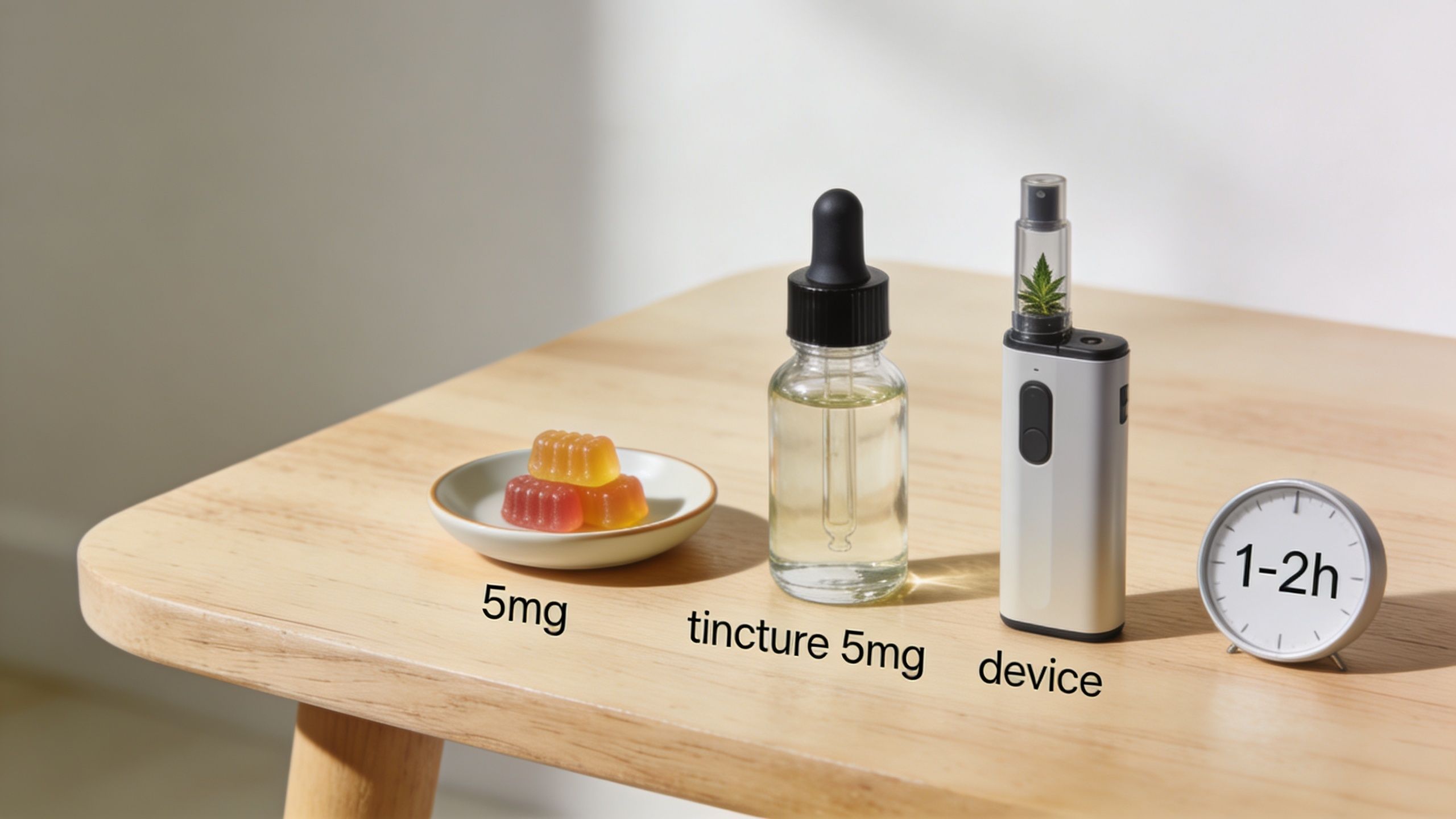
Choosing a promising strain is a huge step, but how you use it is just as crucial for getting real, consistent relief from Restless Leg Syndrome. The right method and dose can be the difference between a peaceful night and a frustrating one. Your strategy should match what you need, whether you're stamping out a sudden flare-up or trying to keep symptoms from starting in the first place.
It really boils down to two different game plans. For those sudden, intense moments, you need speed. For a full night of peace, you need something that lasts.
Fast vs. Lasting Relief
When an RLS attack hits out of nowhere, you don’t have time to wait around. You need relief, and you need it now. This is where inhalation methods really shine.
- Vaping or Smoking: Pulling cannabis into your lungs, either from a vape pen or flower, sends it straight to your bloodstream. The result? You'll feel the effects almost instantly—often within 5 to 15 minutes. That speed is a lifesaver when you feel that familiar twitching start and need to shut it down fast.
On the other hand, if your main goal is getting eight solid hours of uninterrupted sleep, you need a method with some serious staying power.
- Edibles and Tinctures: When you eat or drink cannabis, your liver gets involved, which creates a much longer, more drawn-out effect that can last for 6 to 8 hours. The trade-off is a much slower start, usually taking anywhere from 30 to 90 minutes to kick in.
If you want to get into the weeds on these options, our guide comparing edibles, vapes, and flower can help you figure out what works best for your routine.
The Golden Rule: Start Low and Go Slow
No matter which product you go with, the most important rule is to start with a low dose and increase it slowly. This is especially true with THC-heavy products. Too much can sometimes spark anxiety, which definitely won't help your RLS. Finding the best strain for restless leg syndrome is pointless if the dose is all wrong.
Your goal is therapeutic relief, not an overwhelming high. A small dose can relax muscles and calm nerves just right. More isn't always better and can sometimes backfire.
Here are a few practical starting points to keep in mind:
- For Vaping: Take a single, small puff and then just wait. Give it 15-20 minutes to see how your body and legs feel. If the symptoms are still there and you feel fine otherwise, you can think about taking another small puff.
- For Edibles: Start with a very low dose, something like 2.5mg or 5mg of THC. For example, if you buy a gummy that's 10mg, cut it in half or even into a quarter for your first time. After you take it, you have to wait at least two hours to feel the full effect before even considering taking more. Edibles are famous for sneaking up on you.
This careful approach helps you find your "minimum effective dose"—the smallest amount that gets the job done without going overboard.
Timing Is Everything for a Peaceful Night
Finally, you can get ahead of your symptoms by being strategic with your timing. Since RLS usually gets worse in the evening and at night, you can cut it off at the pass.
Try taking your dose 1 to 2 hours before your symptoms typically start to kick in. For most people, this means timing an edible or a quick vape session right after dinner. For example, if your legs start acting up around 9 PM, taking a 5mg Indica edible at 7:30 PM can ensure the effects are peaking right when you need them most, setting the stage for a calm, restful evening and a twitch-free night ahead.
Navigating the world of cannabis to find the best strain for restless leg syndrome can feel like a lot to take on. Between cannabinoids, terpenes, and different ways to dose, it’s easy to get lost in the details. But you don’t have to figure it all out on your own. Think of us at Mr. Nice Guys DC as the crew in your corner.
We've laid out the groundwork: why Indica-dominant strains are often the go-to for their muscle-relaxing effects, how terpenes like Myrcene and Caryophyllene can help calm things down, and why the "start low and go slow" approach is always a smart move. Now, it’s about putting that info to work. That’s where we come in.
Finding relief shouldn’t be a guessing game. Our team is here to help you connect what you’ve learned with our lineup of high-quality, lab-tested products so you can choose with confidence.
We’ll Connect You with the Good Stuff
Our goal is to be more than just a shop; we want to be a resource you can actually count on. The team at Mr. Nice Guys DC knows their stuff and is trained to listen to what you need.
For example, if you tell us you’re looking for something to help you sleep through the night, we can point you straight to a strain like Granddaddy Purple and break down its Myrcene-heavy profile. Need something for daytime support that won’t leave you glued to the couch? We’ll show you our ACDC or Harlequin options and explain why they work.
Getting started with us is easy. You can browse our menu online and place an order for pickup or delivery. We get around, serving neighborhoods all over DC, like Georgetown and Tenleytown, and we also deliver to our friends in Bethesda, Alexandria, and Arlington.
This is your open invitation to talk with a local expert who cares about your relief as much as you do. Let us help you find the consistent, quality products you’re looking for. A better night’s rest starts right here.
A Few Lingering Questions
Even with all this info, you might still have a few questions buzzing around. That’s perfectly normal. We want you to feel completely comfortable, so let’s clear up some common concerns.
Will I Get Addicted if I Use Cannabis for RLS Every Night?
This is a big one, and it’s smart to ask. The key thing to understand is the difference between building a tolerance and having an addiction. If you use cannabis every night, your body might get used to it, meaning you could need a little more to get the same relief.
That’s where taking a planned "tolerance break"—a few days or a week off—can make a world of difference. For example, if you find your usual 5mg edible isn't working as well, taking a break for a weekend can help "reset" your system so that 5mg dose is effective again. Addiction, on the other hand, is about compulsive use that negatively impacts your life, which is a whole different ballgame. The goal here is relief, not reliance.
Does This Mean I’ll Feel High All the Time?
Not at all. The aim is to calm your legs, not to keep your head in the clouds 24/7. This is totally achievable with a couple of smart strategies.
You can try microdosing, which means using a tiny amount—just enough to ease the symptoms without a noticeable high. Another route is picking a strain that's low in THC and high in CBD, like ACDC. It’s all about finding that sweet spot for functional, clear-headed relief.
What if an Indica Strain Makes My RLS Worse?
It happens. Cannabis is incredibly personal, and what works for one person might do the opposite for another. If your first try doesn’t bring relief, don’t throw in the towel!
Think of it as a learning process. If a Myrcene-heavy Indica didn't do the trick, it might be time to try a strain with a completely different terpene profile. For instance, if Granddaddy Purple felt too heavy or didn't stop the twitching, you might switch to a strain high in Linalool, like Lavender, to see if its anti-anxiety properties are a better match for your specific RLS triggers.
Finding the best strain for restless leg syndrome is a personal journey, and you don’t have to walk it alone. The crew at Mr. Nice Guys DC is here to help you navigate our lab-tested products and find what works for you. Come through and see what we're all about: https://www.mrniceguysdc.com
Mr Nice Guys DC
At Mr. Nice Guys DC, we’re more than just a cannabis delivery service — we’re passionate advocates for quality, convenience, and community. With years of experience in the cannabis industry, our team is dedicated to educating and empowering customers across Washington, D.C. Whether you're a seasoned user or just starting your cannabis journey, our blog delivers trusted tips, product insights, and the latest updates from the world of weed. Stay informed, stay elevated.
