
Must Be 21 To Enter
By entering this site you are agreeing that you are at least 21 Years of Age or older.
I AM 21 OR OLDERBest Indica Strains for Sleep and How to Choose Them
.svg)

.png)
The most popular advice about indica strains for sleep is also the least reliable: choose anything labeled “indica” and expect to sleep better. That shortcut can point you toward a relaxing product, but it can't tell you whether the experience will be calming, intoxicating, long-lasting, uncomfortable, or followed by morning grogginess.
A better approach treats the indica label as a starting clue, not a guarantee. THC concentration, CBD content, CBN, terpene profile, dose, timing, and delivery method usually tell you more about a product than its name alone. The right choice depends on whether you struggle to fall asleep, wake repeatedly, lie awake with anxiety, or wake feeling unrefreshed.
Why Indica Alone Does Not Guarantee Better Sleep
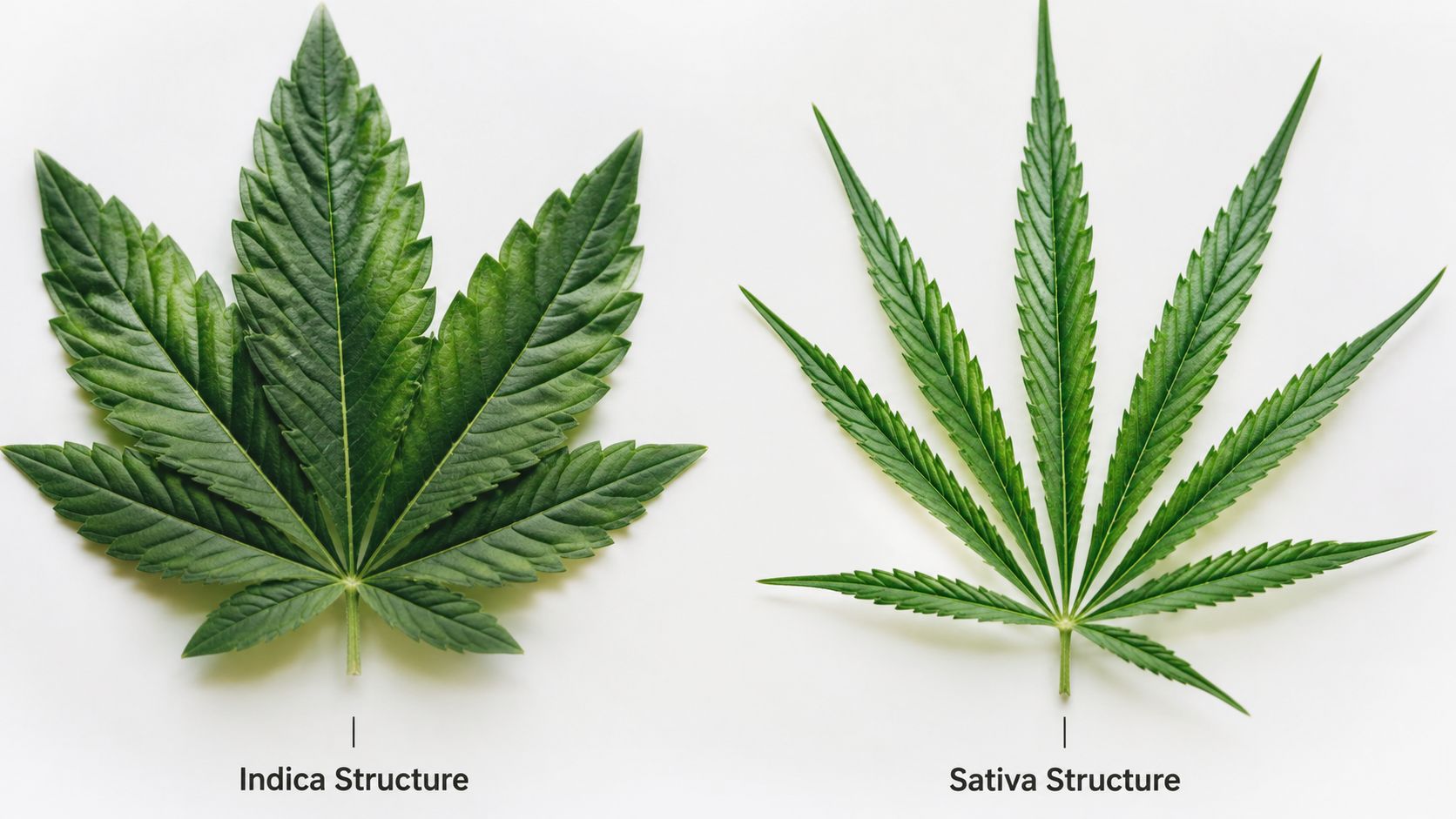
Indica and sativa began as botanical categories describing plant characteristics, including growth pattern and leaf shape. Over time, dispensaries and consumers began using those labels as predictions about effects. That prediction is often too broad. Two products sold as indica can have very different cannabinoid and terpene profiles, and they may feel completely different at bedtime.
A 2021 naturalistic study of medicinal cannabis users did find a meaningful signal for predominant indica products. Participants using those products reported greater reductions in insomnia symptom severity than participants using CBD strains or predominant sativa strains. The estimated mean difference was 0.59 versus CBD strains and 0.74 versus sativa strains, with statistically significant adjusted results reported by the study in its full clinical analysis. Indica hybrid products also outperformed both CBD and sativa categories in that research.
That finding doesn't prove that every indica product will help every patient. It also doesn't establish that the plant label itself caused the improvement. A product classified as indica may contain a combination of cannabinoids and terpenes that many users find relaxing.
Think chemistry before branding
Choosing cannabis by the indica label alone is like choosing a car by its color instead of its engine. The color may describe the outside, but it won't tell you how the vehicle handles. In the same way, “indica” can suggest a traditional style while leaving the important details hidden.
Look for:
- THC: Often responsible for the strongest intoxicating and body-relaxing effects, but more isn't automatically better.
- CBD: Non-intoxicating and sometimes selected by patients who want a gentler option.
- CBN: Commonly included in sleep-oriented formulations, particularly products designed around nighttime use.
- Myrcene and linalool: Terpenes frequently associated with earthy, floral, and calming sensory profiles.
The difference between indica and sativa can help you understand the traditional terminology. For shopping, though, read the label and available lab information before trusting the category.
The Science Behind Cannabinoids and Terpenes for Rest
Sleep products work less like a single sedative switch and more like an orchestra. Cannabinoids provide some of the main instruments, while terpenes add tone and texture. The final experience depends on how those compounds interact, along with your tolerance, setting, and dose.
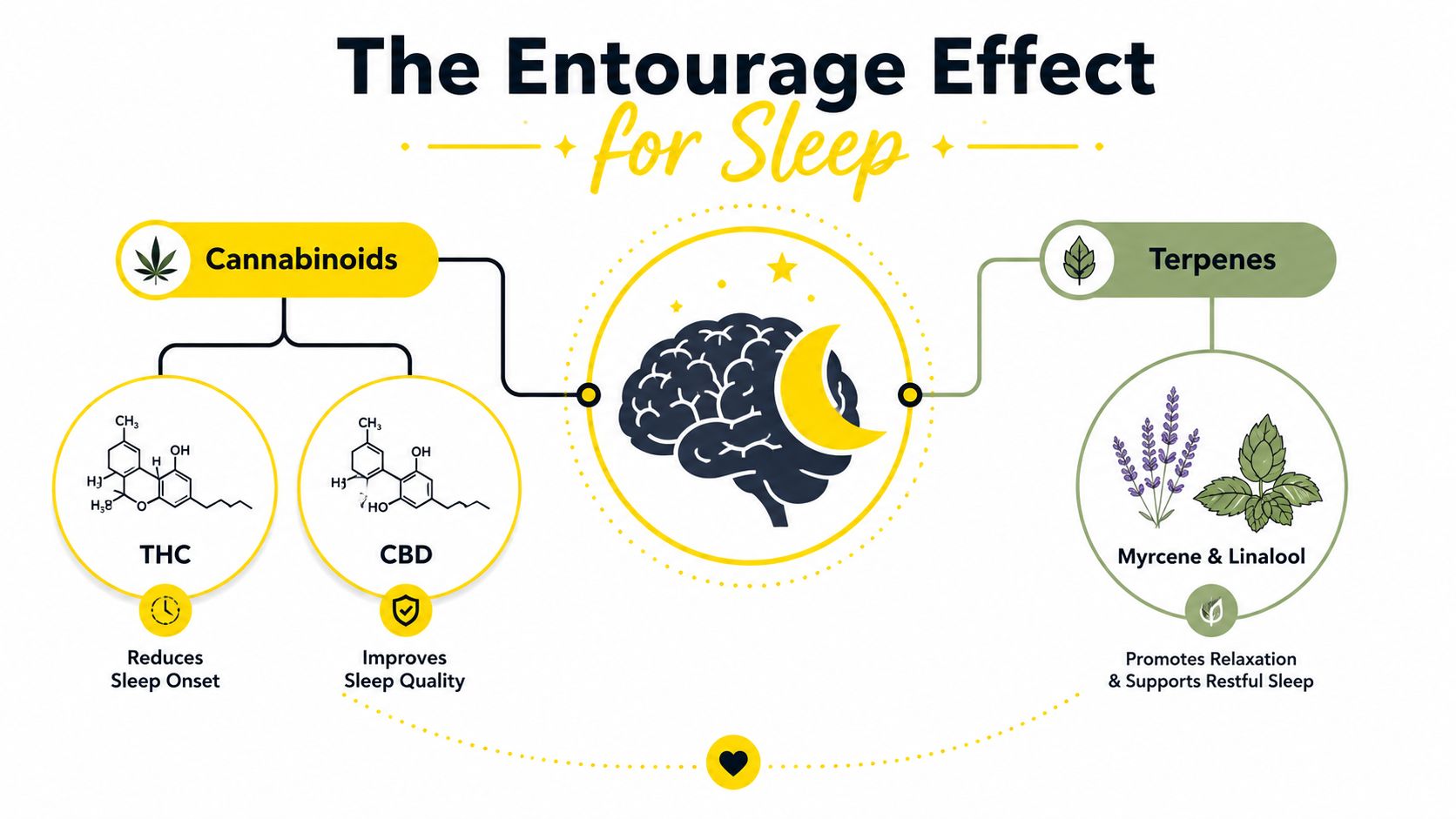
Cannabinoids create the foundation
THC can feel sedating for some people, especially in a late-evening routine, and a THC-heavy product may make it easier to transition from alertness to rest. The effect can also include anxiety, mental stimulation, dizziness, or next-day impairment, particularly when the dose is higher than your body can comfortably handle.
CBD is often chosen by people who want a non-intoxicating product. A major review describes CBD as promising for sleep quality without psychoactive effects, while also describing THC as capable of initially promoting sleep but potentially altering sleep architecture with longer-term use. That distinction matters. A product can feel calming without reliably increasing total sleep time. The review is available in this clinical discussion of cannabinoids and sleep.
CBN has a strong reputation in sleep marketing, but reputation isn't the same as certainty. A 2025 meta-analysis summarized in a recent systematic review found that sleep benefits were strongest for non-CBD cannabinoids, particularly THC and CBN-containing formulations, while CBD-only products didn't significantly improve sleep. The same review also emphasized that the evidence varies across products and study designs. You can examine that evidence in the sleep-focused review indexed by PubMed.
Terpenes shape the experience
Myrcene commonly contributes earthy, herbal aromas and is often selected for a heavier, more physically relaxed profile. Linalool has a floral scent and is frequently associated with calm, making it appealing when racing thoughts accompany insomnia. Limonene tends to smell citrusy and may suit patients whose sleep difficulty is tied to stress or low mood, although a mood-lifting profile may feel too alerting for some people at night.
A product's terpene content doesn't guarantee a specific result. Think of terpenes as part of the composition rather than a promise. The guide to terpenes for sleep can help you recognize these names while comparing menus and lab reports.
A double-blind, placebo-controlled crossover trial involving 125 adults with insomnia tested an oral formulation containing 300 mg CBD plus 1 mg each of eight terpenes. The formulation increased the mean nightly share of slow-wave sleep plus REM sleep by 1.3 percentage points versus placebo, with a 95% confidence interval of 0.1 to 2.5 and P = .03, but it didn't change total sleep time or heart rate variability. The findings, reported in the published trial, suggest that a sleep effect may involve sleep-stage redistribution rather than just sleeping longer.
How to Choose and Dose Indica Strains Safely
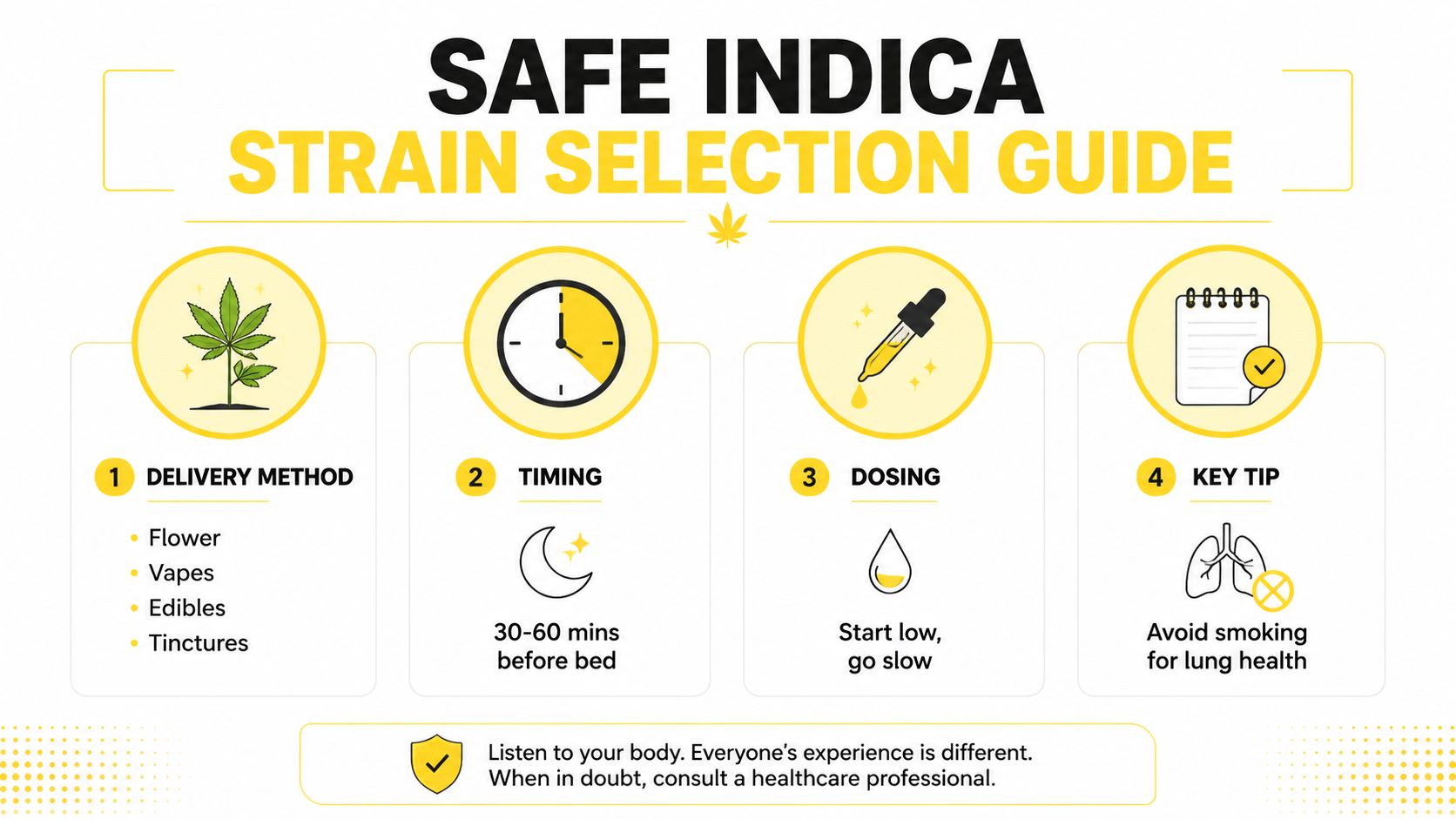
The safest bedtime routine starts with the format, not the strain name. Flower, vapes, edibles, and tinctures can contain similar cannabinoids, yet they differ in onset, duration, and how easily you can adjust the amount.
Match the format to your bedtime
Flower and vapes tend to feel faster, which helps if you know you're ready for bed soon. Their shorter, more adjustable experience can also make it easier to stop once you feel relaxed. Inhaling cannabis can irritate the lungs, so patients concerned about respiratory health may prefer a non-inhaled format.
Edibles take longer to feel and can last longer. That delay creates the most common bedtime mistake, taking more before the first serving has had time to work. If you're trying a 10 mg edible, take it 90 minutes before bed rather than 30 minutes before bed, then wait through the expected onset instead of stacking servings.
Tinctures offer flexible dosing. Some patients use them in the evening and hold a measured amount under the tongue, while others add them to a drink. Follow the product directions and use the supplied measurement tool rather than estimating drops.
Use a repeatable experiment
Start with the smallest labeled serving that fits your experience level. Keep the rest of the evening consistent, including your approximate bedtime, food intake, and other nighttime substances. Change one variable at a time, or you won't know whether the strain, dose, or format produced the result.
Practical rule: Don't judge an edible by the first half hour, and don't increase the amount because you feel nothing yet.
Record a few simple observations: how long it seemed to take to fall asleep, whether you woke during the night, how alert you felt in the morning, and whether you noticed anxiety, dizziness, headache, or unusual dreams. Clinical reviews report that headaches, sedation, and dizziness occur more often at higher doses, and the systematic review in Sleep concludes that high-quality evidence remains limited.
For more detail on measured servings and delayed onset, use this edible dosage guide. Never drive after using cannabis, and don't combine it with alcohol or other sedating substances unless a qualified clinician has reviewed the combination.
Top Indica Strains Commonly Recommended for Insomnia
Strain names can make shopping easier, but they shouldn't replace a chemistry-first comparison. The profiles below are familiar examples, not guarantees. Batch testing can change, and the same strain name may appear with different cannabinoid levels or terpene dominance depending on the producer.
| Strain Name | THC/CBD Ratio | Dominant Terpenes | Reported Effects |
|---|---|---|---|
| Granddaddy Purple | Varies by batch, review the label | Often associated with myrcene and linalool profiles | Heavy body relaxation and a quiet evening feel |
| Northern Lights | Varies by batch, review the label | Often associated with myrcene and earthy terpenes | Grounded physical calm and bedtime relaxation |
| Purple Punch | Varies by batch, review the label | Often associated with myrcene, linalool, and sweet aromatic notes | Body heaviness with dessert-like flavor cues |
| Bubba Kush | Varies by batch, review the label | Often associated with myrcene and caryophyllene | Deep relaxation and a slower, settled mood |
| Gelato | Varies by batch, review the label | Commonly associated with limonene, myrcene, and caryophyllene | Evening ease with a sweeter profile |
| OG Kush | Varies by batch, review the label | Often associated with limonene, myrcene, and caryophyllene | Physical relaxation with a pungent, earthy character |
Choose by the problem you want to solve
If your body feels tense but your thoughts are quiet, a heavier, myrcene-forward profile may fit your evening better. If anxiety keeps you awake, a product with a calmer floral or balanced citrus profile may be more comfortable, provided limonene doesn't make you feel mentally active.
If you're new to cannabis, don't start with the most potent product because it has a reputation for sedation. A lower-intensity option can teach you how THC affects your body without turning bedtime into an uncomfortable experiment. Experienced patients may still prefer a modest dose when they need to wake early.
A large survey of medicinal-cannabis users found that people treating insomnia most often preferred THC, CBD, and myrcene, and mainly used smoked or vaporized flower. The result points toward a practical lesson, sleep-focused users appear to respond to a chemistry profile, not the indica label alone. The survey is discussed in this medicinal cannabis sleep analysis.
Side Effects and Cautions for Medical Patients
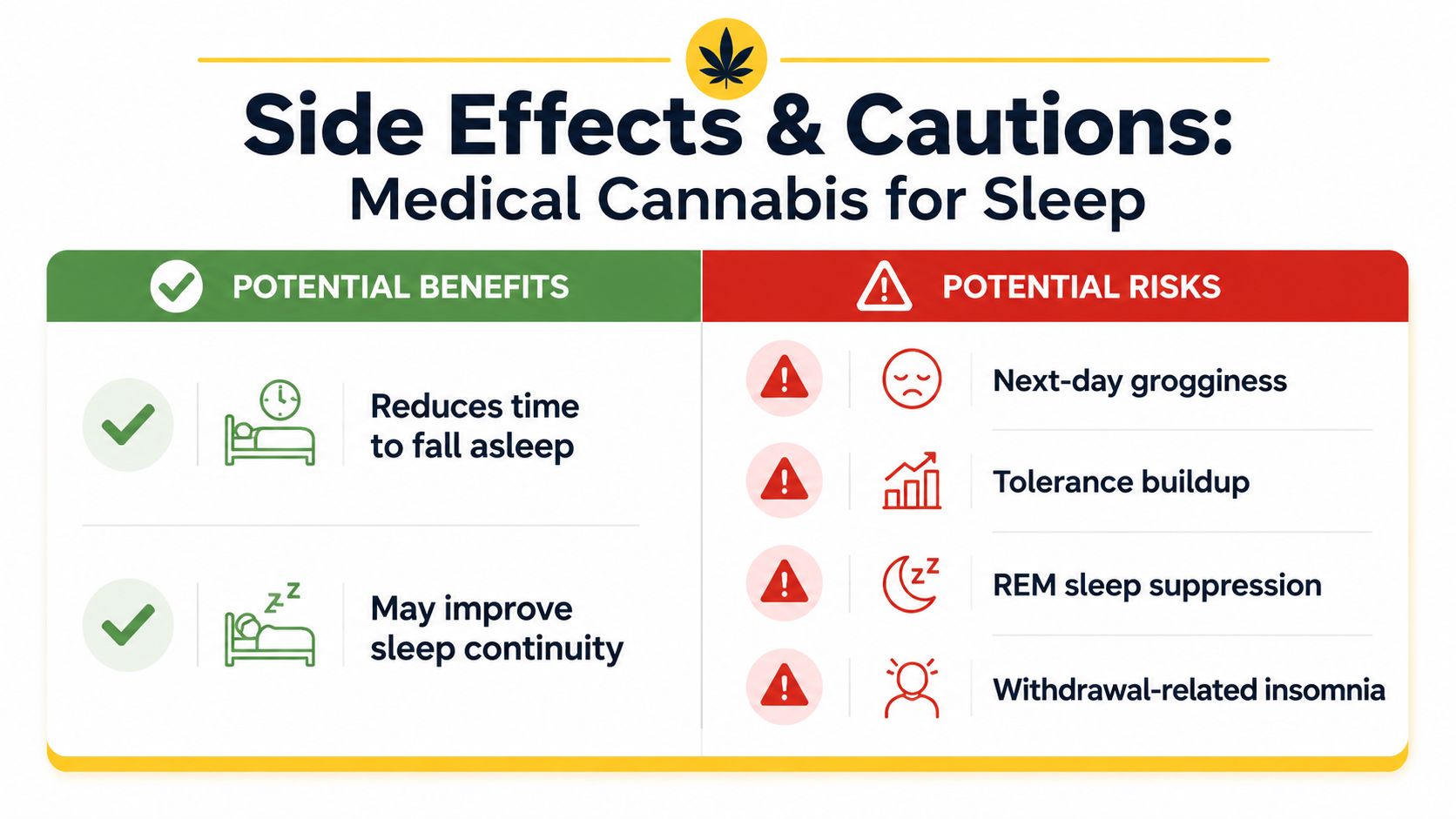
Cannabis can make falling asleep feel easier while creating problems that appear later. Some patients feel immediate relief but develop tolerance, morning impairment, or worse sleep when they stop. That tradeoff makes repeated use different from an occasional bedtime experiment.
A clinical review found little convincing evidence that cannabis produces significant or meaningful improvements across sleep disorders such as insomnia. It also noted that cannabis can have harmful effects in some people. A patient may fall asleep faster one night yet experience poorer overall sleep quality or more awakenings over time, as described in the clinical review of cannabis and sleep.
Watch for next-day and long-term signals
Morning grogginess may mean the dose was too high, the product lasted longer than expected, or the timing was too late. Don't treat that feeling as proof that the product worked well. A good nighttime result includes acceptable morning function, not just rapid sedation.
Long-term use can also produce a difficult cycle. A review of chronic THC exposure found only modest sleep improvement and judged the underlying evidence quality low in a Cochrane-based analysis. The review of cannabis for sleep supports a cautious approach rather than assuming an indica label guarantees durable benefit.
Withdrawal can expose the cycle. Objective sleep research summarized in a 2025 review found that cannabis withdrawal reliably worsened sleep, including reduced total sleep time, longer time to fall asleep, and REM rebound. Current cannabis use was also linked to poorer sleep outcomes in observational data, although experimental studies didn't show a clear association with sleep quality or duration. The findings are summarized in the 2025 sleep architecture review.
Know when to ask for medical help
Patients with sleep apnea, significant anxiety, depression, pregnancy, medication interactions, or a history of substance use should speak with a healthcare provider before making cannabis a regular sleep aid. Ask for help if you need increasing amounts, can't sleep without cannabis, feel impaired each morning, or experience panic, chest discomfort, confusion, or severe dizziness.
Use tolerance breaks only with a clinician's guidance if stopping causes severe insomnia or other withdrawal symptoms. Pair cannabis, if appropriate for you, with consistent sleep and wake times, a dark bedroom, reduced evening stimulation, and evaluation for conditions that cannabis can't address. Review possible interactions through this medication compatibility resource.
Shopping for Indica Strains at Mr. Nice Guys DC
A useful dispensary visit starts with a sleep problem stated in plain language. Instead of asking only for “the strongest indica,” tell the staff whether you need help falling asleep, staying asleep, relaxing tense muscles, or quieting anxious thoughts. That information creates a more useful conversation about format, dose, and chemistry.
For example, a patient who goes to bed soon after deciding to use cannabis may ask for a fast-onset option and a terpene profile that feels physically calming. Another patient who wakes during the night may ask about a longer-lasting oral product, while acknowledging that delayed onset can increase the risk of taking too much.
Questions that improve the recommendation
Bring specific questions to the counter:
- Ask about myrcene: “Which current flower or vape options list myrcene as a dominant terpene?”
- Ask about CBN: “Do you carry any CBN-containing products, and what other cannabinoids are included?”
- Ask about lab results: “Can I review the batch's cannabinoid and terpene information?”
- Ask about format: “Which option lets me make the smallest adjustment if I feel too sedated?”
- Ask about morning effects: “Which products are easier to use without carrying heavy effects into the morning?”
Mr. Nice Guys DC offers medical cannabis products including flower, edibles, cartridges and pens, pre-rolls, concentrates, topicals, and tinctures. Patients can use its menu and strain availability guide to compare current options, then ask staff to verify the product's latest lab information rather than relying on a strain name from an older menu.
Plan the practical details
The dispensary supports in-store pickup, curbside service, and delivery powered by Sweede. Delivery covers DC and nearby areas including Alexandria, Bethesda, Rockville, and Silver Spring, and payment options include cash and debit. Availability changes, so confirm the current menu before making a specific strain your plan.
A thoughtful purchase might include one product for fast, adjustable use and another measured format for nights when a longer effect makes sense. Keep each product clearly labeled at home, and test a new item on a night when you don't need to drive early or make important decisions.
Your Action Plan for Better Sleep with Indica Strains
Start by identifying the actual sleep problem. Trouble falling asleep calls for a different strategy than waking repeatedly, and anxiety-related restlessness may respond differently from physical discomfort. Write down what happens during a typical night before choosing a product.
Use this checklist to make the first trial more deliberate:
- Define the target: Decide whether you're addressing sleep onset, nighttime waking, physical tension, or mental restlessness.
- Choose the format: Select inhaled flower or a vape when you need faster feedback, or consider an edible or tincture when a measured, longer experience fits your routine.
- Read the chemistry: Look beyond “indica.” Compare THC, CBD, CBN, myrcene, linalool, and limonene on the label or lab information.
- Start conservatively: Use the smallest reasonable serving for your experience level, then give the product enough time to work before changing the dose.
- Track the outcome: Note onset, awakenings, morning alertness, unwanted effects, and whether you needed more than planned.
- Get personalized guidance: Discuss the results with dispensary staff or a healthcare professional, especially if you take medication or plan regular use.
Don't make a nightly product your permanent solution after one comfortable evening. Reassess after two to three weeks of consistent tracking, or sooner if you experience anxiety, worsening sleep, dependence concerns, or morning impairment. If the product helps you fall asleep but leaves you exhausted, change the dose, timing, or format rather than automatically choosing a stronger strain.
The central lesson is simple: the best indica strains for sleep are the products whose chemistry, dose, timing, and delivery method match your specific sleep pattern. The label may guide your first search, but your measured response and safety should guide the final decision.
Mr. Nice Guys DC offers flower, vapes, edibles, pre-rolls, tinctures, and other medical cannabis formats with in-store pickup, curbside service, and delivery in DC and nearby communities. Visit Mr. Nice Guys DC to review current options and speak with the team about a sleep-focused product based on cannabinoids, terpenes, timing, and your experience level.
Mr Nice Guys DC
At Mr. Nice Guys DC, we’re more than just a cannabis delivery service — we’re passionate advocates for quality, convenience, and community. With years of experience in the cannabis industry, our team is dedicated to educating and empowering customers across Washington, D.C. Whether you're a seasoned user or just starting your cannabis journey, our blog delivers trusted tips, product insights, and the latest updates from the world of weed. Stay informed, stay elevated.
