
Must Be 21 To Enter
By entering this site you are agreeing that you are at least 21 Years of Age or older.
I AM 21 OR OLDERThe 7 Best Terpenes for Sleep (2026 Guide)
.svg)

.png)
Tired of counting sheep, but still shopping for sleep cannabis the old way?
A lot of people walk into a dispensary asking for a strong indica, high THC, or whatever “knocks you out.” That sounds practical, but it usually skips the part that matters most: the terpene profile. The best terpenes for sleep can shape whether a product feels calming, body-heavy, mentally quieting, or better suited for pain that keeps you awake.
That's the gap most sleep advice misses. Strain names can help, but names alone don't tell you why one batch of Wedding Cake feels settling while another feels flatter, racier, or just too heady for bedtime. Terpenes give you a better way to shop.
At a dispensary like Mr. Nice Guys DC, that matters because patients aren't just looking for a catchy strain label. They want something that helps them wind down, stay comfortable, and choose the right format for the night ahead. Below are the seven best terpenes for sleep, with practical advice on what each one is good at, where it fits, and what to ask for when you're standing at the counter.
1. Myrcene - The Premier Sleep Terpene
If someone asks me for the safest starting point in a sleep-oriented terpene profile, myrcene is usually it.
Myrcene shows up again and again in mainstream sleep-terpene education, alongside linalool and beta-caryophyllene, which is part of why it has become such a standard reference point for nighttime cannabis shopping in the current market. One consumer guide also notes a practical rule of thumb: strains with more than 0.5% myrcene are often considered indica-leaning. That isn't a medical guarantee, but it does help explain why experienced shoppers look for myrcene on the COA instead of relying on strain labels alone.
Real dispensary example: if you're comparing OG Kush, Granddaddy Purple, Mango Kush, Blue Dream, and Wedding Cake, don't stop at the name. Ask which batch has myrcene listed first in the terpene breakdown.
How to shop for myrcene
The simplest move is to treat myrcene like your anchor terpene. If sleep onset is your main problem, products with myrcene at the top of the profile are usually the first place to look.
- Ask for the lab results: Look for flower or vape options where myrcene is the dominant terpene, not buried low on the list.
- Match the format to the problem: If you want a faster evening wind-down, inhaled formats usually make more sense than standard edibles because terpenes are generally more effective when inhaled or absorbed sublingually than when swallowed.
- Use strain names as a shortcut, not proof: OG Kush and Wedding Cake are useful starting examples, but the current batch matters more than the menu description.
Practical rule: If a product is marketed for sleep but the terpene label doesn't clearly show myrcene, ask one more question before buying it.
For patients who are still learning the basics, Mr. Nice Guys' guide to what terpenes do in weed is a solid companion read before you shop.
2. Linalool - The Calming Floral Ally
Linalool is the terpene I think of for the patient who says, “I'm tired, but my mind won't turn off.”
It has that floral, lavender-like profile people often recognize immediately, and in sleep discussions it's usually framed less as a knockout terpene and more as a calming one. That distinction matters. Sometimes the best terpenes for sleep aren't the heaviest ones. They're the ones that quiet the loop of stress, overthinking, and bedtime tension.
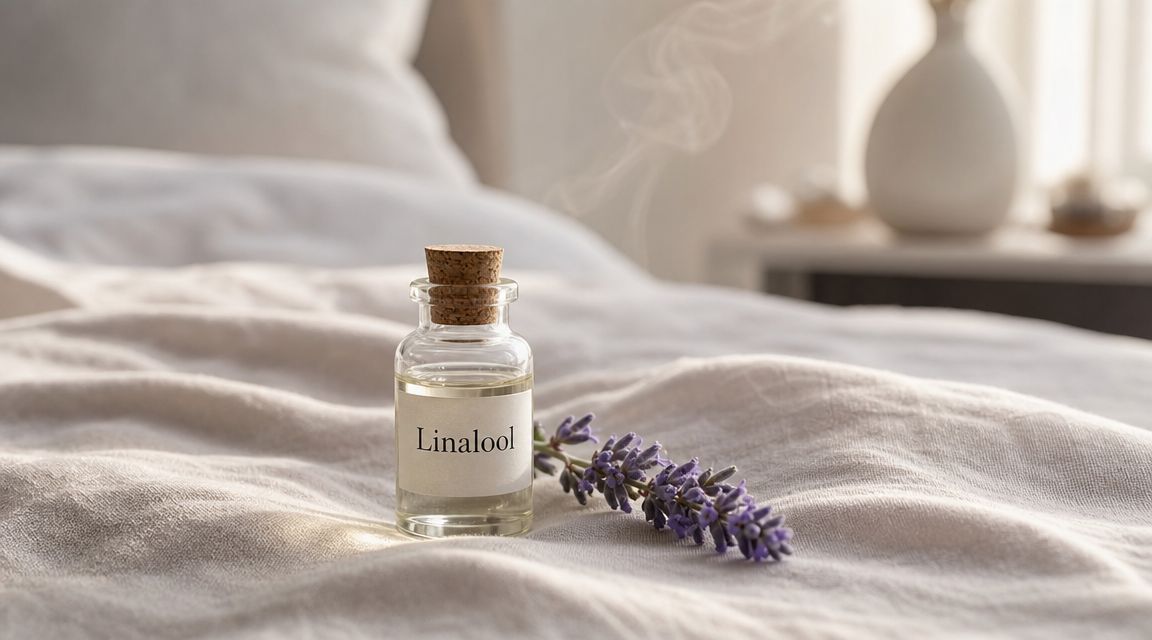
You'll see linalool in strains and products people describe as smooth, calming, and easier to settle into than purely THC-driven picks. Lavender, LA Confidential, Pink Kush, Amnesia Haze, and Zkittlez are all examples worth checking by batch.
Best use case at the dispensary
Linalool is especially useful when anxiety is the primary sleep blocker. A lot of “insomnia” shopping is really anxiety shopping in disguise.
A practical example: someone comes in saying they've tried heavy flower before, but it made them feel mentally louder before bed. That person often does better with a profile that includes linalool plus myrcene, rather than chasing the highest THC number.
- Check the top terpene list: Linalool doesn't always need to be first, but it should be clearly present in the top part of the profile if calm is what you want.
- Think about timing: A linalool-forward vape or tincture often fits well when stress ramps up in the last part of the evening.
- Pair effects thoughtfully: If physical tension and mental tension show up together, linalool plus myrcene is often a more complete sleep setup than either one alone.
Some people don't need a stronger product. They need a calmer one.
If you're browsing strains specifically with bedtime in mind, Mr. Nice Guys' roundup of indica strains for sleep can help narrow the shelf faster.
3. Terpinolene - The Gentle Sleep Promoter
Terpinolene is where sleep shopping gets more nuanced.
It appears on sleep-terpene shortlists, but it doesn't behave like a blunt instrument. In many products, terpinolene feels more like a softener than a sedative hammer. That makes it useful for people who want to relax earlier in the evening without feeling pinned to the couch.
Jack Herer, Pineapple Express, Orange Juice Kush, Ghost Train Haze, and Durban Poison can all show terpinolene, though not always in the same role. That's the trade-off with this terpene. It can be helpful, but context matters.
When terpinolene makes sense
I'd look at terpinolene if your problem isn't “I can't sleep at all,” but “I need help downshifting before bed.”
A real example: maybe you get home after work still mentally switched on, but if you overdo a heavy nighttime strain at 7 p.m., you feel too foggy too early. Terpinolene can fit that middle ground, especially in a balanced profile where myrcene or linalool does the deeper calming later.
One formulation guide includes terpinolene among the core sleep terpenes and places it in a lower target range than the dominant sedative terpenes, which supports the idea that it often works best as part of a blend rather than as the whole story in a sleep SKU. That same guide lists terpinolene at 0.1% to 0.3% in sleep formulations.
Practical buying advice
- Use it earlier in the evening: Terpinolene often makes more sense for your first session, not your last one before lights out.
- Blend your goals: If a flower has terpinolene high in the profile, ask whether myrcene or linalool is also present to round out the effect.
- Good for cautious shoppers: First-time users sometimes prefer this lane because it can feel less forceful than a classic couch-lock profile.
Terpinolene is rarely the star of a heavy sleep routine. It's the support player that can make the whole evening feel smoother.
4. Caryophyllene (Beta-Caryophyllene) - The Spicy Relaxant
If pain is the reason you're awake, caryophyllene deserves much more attention than it usually gets.
A lot of sleep shopping goes wrong because people look for “sedating” when they should be looking for “comfortable enough to stay asleep.” Beta-caryophyllene tends to fit that second problem. It's commonly described as peppery, woody, or spicy, and it's often recommended less for direct sedation than for the pain and inflammation issues that can break sleep apart.
Bubba Kush, GSC, Runtz, Cotton Candy Kush, and some Sour Diesel expressions can all be worth checking here. The key is to stop treating sleep as a single symptom.
The pain-and-sleep connection
For someone with sore joints, back tension, or inflammatory discomfort at night, caryophyllene can be the difference between falling asleep and remaining asleep. That's why it comes up so often in practical dispensary conversations.
A 2024 clinical review also makes an important point: human terpene evidence for sleep is still limited, and many claims still lean on preclinical work rather than direct patient confirmation. The stronger evidence-based framing is to use terpenes as symptom-targeting tools, with caryophyllene positioned as helpful through anti-inflammatory and anxiolytic effects rather than as a direct sleep terpene.
That's the smart way to shop. If pain is what wakes you up, target pain.
For patients comparing formats for nighttime discomfort, Mr. Nice Guys has a useful guide on choosing cannabis for sleep, pain, and anxiety.
A quick explainer helps here:
- Choose caryophyllene when pain is central: Don't buy it just because someone called it relaxing.
- Pair it with a sedative terpene: Myrcene plus caryophyllene is often a stronger sleep strategy than caryophyllene alone.
- Think about overnight comfort: If your issue is waking up from physical discomfort, longer-lasting formats may be worth discussing with your budtender.
5. Humulene - The Grounding Sleep Supporter
Humulene doesn't get top billing in most “best terpenes for sleep” lists, but I wouldn't ignore it.
In the dispensary, humulene usually matters as part of a grounded, full-spectrum profile. It often shows up alongside caryophyllene and myrcene, which is one reason some batches feel more centered and body-based instead of buzzy or scattered. If you've ever had a strain that felt calming without feeling syrupy, humulene may have been part of why.
Original Glue, White Widow, Skywalker OG, Gelato, and Sour Diesel are all examples where checking the actual batch report matters more than trusting the name.
Why it works in the background
Humulene is rarely the terpene a patient asks for by name. It's the terpene that helps complete the profile.
A practical scenario: you're looking at two batches of Gelato. Both have respectable evening appeal on paper, but one has a more rounded earthy-spicy profile with supporting humulene and caryophyllene, while the other leans brighter and less grounded. The first one may fit bedtime better even if the THC numbers are similar.
What I tell patients: Don't just ask what makes you sleepy. Ask what makes you feel settled.
That's where humulene can be useful. Not as a solo answer, but as part of a profile that calms the whole experience down.
- Look for it as a supporting terpene: Humulene often makes the most sense when myrcene or caryophyllene is doing the heavy lifting.
- Favor terpene-rich formats: Flower and terpene-preserving concentrates tend to give you a clearer sense of the full profile.
- Use it for evening transition: Humulene can be a nice fit when you want the night to feel grounded, not just sedated.
If you've only been shopping by strain category, Mr. Nice Guys' breakdown of indica vs. sativa effects is worth revisiting with terpenes in mind.
6. Ocimene - The Light Sleep Assistant
Ocimene is for the shopper who says, “I want help relaxing, but I don't want to feel flattened.”
That makes it different from the classic heavy sleep terpenes. In practice, ocimene usually fits better as a supporting player for lighter evening use, especially for newer consumers or people who are sensitive to more sedating profiles. Strawberry Shortcake, Mint Chocolate Chip, Peppermint Cookies, Trainwreck, and Lemon Tree are all examples where you might see it contribute to the overall feel.
A better fit for some routines
Not every sleep routine needs a heavy hand. Some people need a bridge between daytime and bedtime, not a hard stop.
For example, a patient might want something after dinner that reduces the edge of the day but still lets them read, shower, or finish a late task without feeling overmedicated. In that case, a profile with ocimene plus stronger nighttime companions later can work better than starting with a very sedating flower too early.
Another useful reality check: mainstream sleep-terpene lists often sound more certain than the evidence is. As noted earlier, the human data remain limited, so it's better to think of lighter terpenes like ocimene as part of a symptom-based routine than as guaranteed sleep aids.
How to use it wisely
- Use it as a first step: Ocimene can work well in your earlier evening product, before moving to a heavier bedtime option.
- Good for sensitive users: If myrcene-heavy products leave you too foggy, ask for something gentler in the first session.
- Pair rather than depend: Ocimene usually shines more in a blend than as the main reason to buy a sleep product.
Ocimene isn't the terpene I'd choose for stubborn insomnia. It is one I'd consider for a smoother runway into the night.
7. Nerolidol - The Floral Sleep Enhancer
Nerolidol is one of those terpenes patients often benefit from before they ever learn its name.
It appears on repeated sleep-terpene shortlists along with myrcene, linalool, caryophyllene, and terpinolene, which tells you it has a stable place in the modern sleep conversation even if it isn't as famous as the top two. One widely cited consumer guide includes nerolidol among its top terpenes that promote sleep. In dispensary terms, that means it's worth noticing when it shows up in a fuller nighttime profile.
You're more likely to run into nerolidol in premium flower, specialty phenotypes, or full-spectrum concentrates than in every basic menu option. That's normal.
Why patients notice it in full profiles
Nerolidol usually isn't the terpene that dominates the label. It's the one that can make a good nighttime profile feel more complete, softer, and more obviously bedtime-oriented.
A practical example: if you're comparing a standard high-THC flower to a full-spectrum option with myrcene, linalool, and a little nerolidol, the second product may feel more intentionally built for sleep even if the headline potency sounds less exciting.
Some of the best bedtime products don't look strongest on paper. They look best balanced.
That's especially true for patients who already know they respond well to floral, calming, less racy terpene profiles.
- Ask for full-spectrum options: Nerolidol is often more relevant in products that preserve minor terpenes well.
- Use it as a premium tie-breaker: If two nighttime products look similar, the one with a fuller terpene spread may be the smarter pick.
- Think in combinations: Nerolidol tends to make the most sense beside myrcene and linalool, not instead of them.
If insomnia is your main concern, Mr. Nice Guys' guide to choosing weed for insomnia can help you match terpene ideas to actual product types.
Comparison of 7 Sleep-Enhancing Terpenes
| Terpene | Implementation complexity 🔄 | Resource requirements ⚡ | Expected outcomes ⭐📊 | Ideal use cases 💡 | Key advantages ⭐ |
|---|---|---|---|---|---|
| Myrcene, The Premier Sleep Terpene | Low, commonly present; select myrcene-dominant strains; dose-sensitive | High availability in many strains; works well in flower or edibles | High sedative effect; improves sleep onset and duration; risk of next‑day grogginess ⭐⭐⭐⭐ | Nighttime sleep onset, insomnia without major pain; combine with CBD for non-intoxicating support | Most evidence-backed for sleep; strongly synergizes with THC/CBD |
| Linalool, The Calming Floral Ally | Low, check lab reports for linalool in top terpenes | Moderately available; effective at low doses; preserves aroma with moderate-temp vaping | Strong anxiolytic + sedative; reduces THC-induced anxiety; improves sleep quality ⭐⭐⭐⭐ | Anxiety-driven insomnia, aromatherapy, 30–60 min pre-bedtime use | Clinically supported for anxiety reduction; pleasant floral aroma |
| Terpinolene, The Gentle Sleep Promoter | Low, usually a minor terpene; often used in blends | Limited high-concentration availability; suitable for microdosing | Mild sedative with relaxation and clarity; low grogginess ⭐⭐⭐ | Early-evening relaxation, sensitivity-prone users, microdosing | Gentle relaxation with preserved mental clarity |
| Caryophyllene, The Spicy Relaxant | Moderate, select high‑caryophyllene chemovars for effect | Widely available in many strains; effective in tinctures/edibles for sustained effect | Moderate sedative plus analgesic and anti-inflammatory benefits; helps sleep disturbed by pain ⭐⭐⭐⭐ | Chronic pain or inflammatory conditions interfering with sleep | Unique CB2 binding; addresses pain/inflammation alongside sleep |
| Humulene, The Grounding Sleep Supporter | Low, often secondary; best in full‑spectrum products | Available but less abundant; works synergistically with major terpenes | Subtle grounding and anti-inflammatory effects; improves sleep indirectly ⭐⭐⭐ | Calming racing thoughts, evening relaxation without heavy sedation | Grounding effect with low risk of grogginess; complements other terpenes |
| Ocimene, The Light Sleep Assistant | Low, minor terpene; rarely primary, usually combined | Rare as a dominant terpene; low concentrations (<1%) sufficient | Gentle anxiolytic and mild sedative; limited impact alone ⭐⭐ | Novice users, daytime relaxation, adjunct to stronger sleep terpenes | Pleasant sweet aroma; low overdose/grogginess risk |
| Nerolidol, The Floral Sleep Enhancer | Moderate, rare terpene; best found in premium full‑spectrum products | Limited availability and higher cost; typically in boutique strains/concentrates | Supports sleep via GABA modulation; subtle but enhances full‑spectrum profiles ⭐⭐⭐ | Connoisseurs and full‑spectrum regimens; adjunct to myrcene/linalool for deeper sleep | GABA-modulating; prized for floral profile and synergy in premium products |
Find Your Perfect Sleep Strain at Mr. Nice Guys DC
The biggest mistake patients make is shopping for sleep by strain label alone. “Indica” can be a starting point, but it doesn't tell you enough about whether a product will calm your mind, relax your body, or help with the pain and tension that keep you awake. Terpenes give you a much more useful filter.
If you want the short version, start with myrcene and linalool for classic bedtime support. Look harder at beta-caryophyllene if pain or inflammation is part of the sleep problem. Consider terpinolene or ocimene when you want a gentler evening transition instead of a heavy sedating effect. Notice humulene and nerolidol when you're comparing fuller, more balanced nighttime profiles.
There's another trade-off worth remembering. The sleep conversation around terpenes has become mainstream, but the human evidence is still limited in important areas. That means the smartest approach is practical, not dogmatic. Don't expect one terpene to work like a prescription sleep drug. Instead, use terpene profiles to target the reason sleep is difficult for you. Racing thoughts, body tension, nighttime pain, and general overstimulation don't always call for the same product.
At the dispensary counter, ask better questions. Ask to see the terpene profile. Ask which flower has myrcene listed first. Ask whether a vape or tincture preserves the calming terpenes you want. Ask whether a product is likely better for stress-related sleep trouble or pain-related sleep trouble. Those questions usually lead to better choices than asking for the “strongest” thing in stock.
Mr. Nice Guys DC is one relevant option for patients who want that kind of guidance, since the menu includes products with terpene information across flower, concentrates, and vapes. If you're shopping locally, tell the team exactly what's happening at bedtime. “I can't shut my brain off,” “my back wakes me up,” and “I want something gentle first, then stronger later” are all more helpful than “I need an indica.”
The best terpenes for sleep aren't just a list. They're a way to shop smarter.
If you're ready to narrow down a bedtime product, browse Mr. Nice Guys DC and ask the team for terpene-forward options built around how you struggle with sleep.
Mr Nice Guys DC
At Mr. Nice Guys DC, we’re more than just a cannabis delivery service — we’re passionate advocates for quality, convenience, and community. With years of experience in the cannabis industry, our team is dedicated to educating and empowering customers across Washington, D.C. Whether you're a seasoned user or just starting your cannabis journey, our blog delivers trusted tips, product insights, and the latest updates from the world of weed. Stay informed, stay elevated.
