
Must Be 21 To Enter
By entering this site you are agreeing that you are at least 21 Years of Age or older.
I AM 21 OR OLDERHow to Get Carts Under 21: A Legal DC Guide
.svg)

.png)
If you're searching how to get carts under 21, you're probably not looking for a lecture. You might be trying to figure out what's allowed, what's risky, and whether there's any legal way to access a cartridge without getting burned by fake products, bad advice, or a seller who doesn't care what happens after the sale.
That's a fair question. The problem is that most answers online either shut the conversation down or subtly point people toward unsafe workarounds.
A better approach is simpler. Skip the illegal shortcuts. Learn the rules, look at the lawful pathways that may exist, and protect yourself first. If you're still getting familiar with DC cannabis laws, this overview of whether weed is legalized in DC helps explain the bigger picture around local access.
Navigating Cannabis Access When You're Under 21
A common situation looks like this. Someone is old enough to make a lot of adult decisions, but they're still under the recreational cannabis age limit and wondering why carts seem harder to buy than other products. They hear one friend say “everyone does it,” another say “just order online,” and then they run into age checks, payment blocks, or store policies that stop the sale.
That confusion makes sense. Cartridges sit at the intersection of cannabis law, vape regulation, store compliance, and health risk. That means the answer isn't just about whether a product exists. It's about whether you can access it legally, whether the seller is licensed, and whether the product is something you should trust.
Illegal access usually creates two problems at once. You can end up breaking the law and using a product with no reliable chain of custody.
For people under the adult-use age, the most useful question isn't “How do I get around the rules?” It's “Is there any lawful path for my situation?” If the answer is no, the next best move is choosing a safer alternative and using the time to learn how these products work before you're eligible to buy them.
The Legal Landscape Why Carts Are Age-Restricted
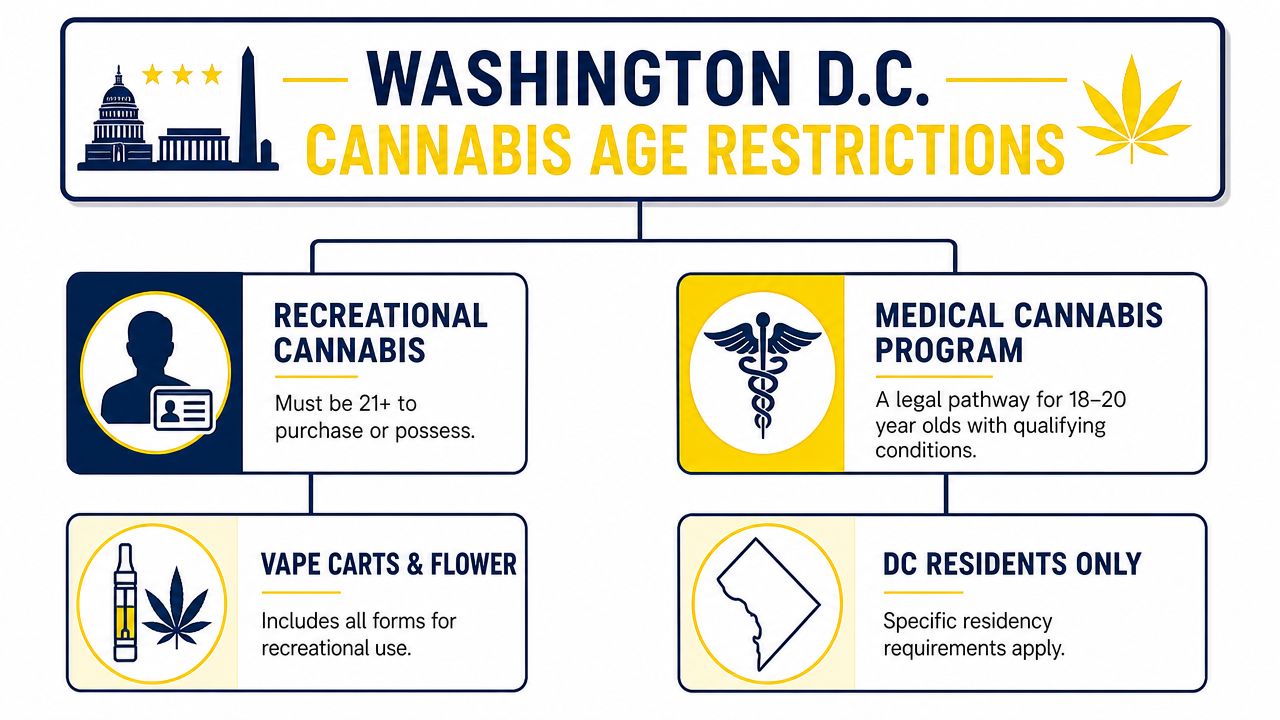
In DC, recreational cannabis access is age-restricted. For cartridges, that matters even more because vape products already sit inside a compliance-heavy retail environment. Stores don't just look at the product itself. They look at age, ID, product category, and whether the sale fits local rules.
Why stores check so carefully
The strict culture around age checks didn't appear by accident. Under federal law, the President signed Tobacco 21 on December 20, 2019, and the FDA says it became effective immediately, making it illegal for retailers to sell any tobacco product, including e-cigarettes, to anyone under 21. The FDA also says that beginning September 30, 2024, retailers must use a photo ID to verify the age of anyone under 30 buying covered tobacco products, which you can review on the FDA's Tobacco 21 compliance page.
Even though cannabis and tobacco aren't the same product category, this created a broad retail habit. If a product looks, functions, or is sold like a vape product, sellers often use similarly strict screening standards. That's one reason carts can feel more locked down than a new buyer expects.
If you've heard people mention gifting, possession rules, or retail limits in the city, this guide to Initiative 71 in Washington DC gives useful context for how local compliance works.
What that looks like in real life
A cashier sees a customer who looks young. The sale pauses. The customer gets asked for ID, even if they already placed an online order. If the birth date doesn't meet the legal threshold, the transaction ends there.
That can feel frustrating, but it's standard practice.
Practical rule: If a product is sold in a regulated vape or cannabis setting, assume age verification will be strict and that self-attestation won't be enough.
Here's the simple breakdown:
- Recreational access: If you're under the legal adult-use age, trying to buy a THC cart for recreational use isn't the lawful route.
- Retail compliance: Shops often train staff to verify age before discussing or handing over restricted products.
- Online ordering isn't a loophole: Age-gated products can still be denied at pickup or delivery if your ID doesn't qualify.
The key point is this. If you're trying to figure out how to get carts under 21, the answer isn't about beating the system. It's about whether you qualify for a medical pathway.
DC's Medical Cannabis Program The Legal Path Under 21
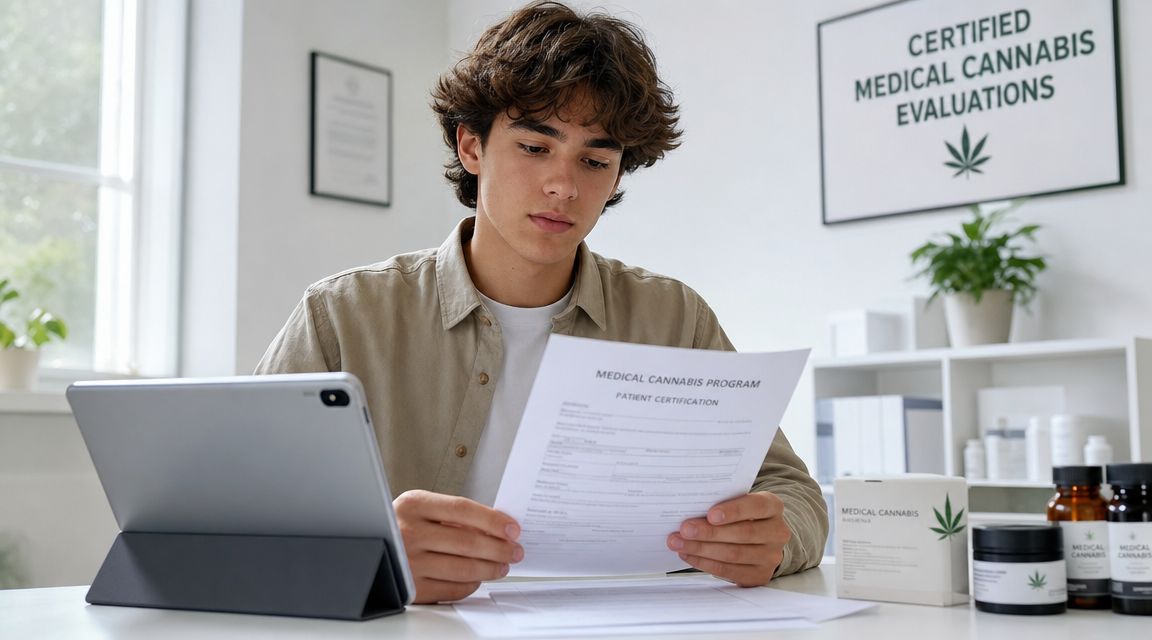
For some people, the only lawful route under the recreational age limit is medical cannabis access. That's a very different question from recreational shopping. It starts with a real health issue, a proper evaluation, and the paperwork the program requires.
Why the medical route matters
A lot of younger readers assume the law is a flat wall. In practice, medical programs are often the exception that changes access. Illinois offers a good example: adults 21 years of age or older may buy cannabis, while medical patients under 21 may still receive a prescription and purchase through a medical dispensary or caregiver, according to the state's Illinois cannabis FAQs.
That doesn't mean every state works exactly the same way. It does show the model clearly. Adult-use and medical access are separate lanes. If you're under the adult-use age, the only serious question is whether you qualify for the medical lane where you live.
A practical example
Say a 19-year-old is dealing with ongoing pain, persistent nausea, or another condition that's interfering with sleep, school, or daily life. They're not looking for a party product. They're looking for symptom relief and wondering whether a cartridge is an option because it's discreet and easy to dose.
That person shouldn't ask a friend to buy for them. They should ask a licensed medical professional whether cannabis is appropriate and, if it is, what legal steps come next.
A simple decision path
If you're exploring a legal route, think in this order:
Start with the reason
Are you trying to manage a real health issue, or are you looking for recreational access before you're eligible? The medical system exists for the first case, not the second.Talk to a qualified clinician
Bring a clear description of what you're dealing with. That could include symptoms, how long they've been affecting you, and what you've already tried.Review the application requirements
Medical programs usually require identity documents and patient information. Some also have residency or registration rules.Wait for approval before shopping
Don't assume that being “probably eligible” is enough. Approval comes first.Use a licensed dispensary
Once you qualify, buy through regulated channels, not informal sellers.
If your access depends on a medical exception, treat the paperwork as part of your care, not as a technicality.
What to expect if you qualify
The first shopping experience can still be confusing. A new patient might know they want a cart but not know the difference between a daytime option and a heavier product that could make studying or working harder. That's where legal dispensary guidance matters.
If you need help understanding the paperwork side, this resource on medical card requirements is a useful starting point.
A good first conversation usually covers:
- Your goal: pain relief, sleep support, appetite support, or something else.
- Your tolerance: whether you've used cannabis before or you're brand new.
- Your format questions: carts, tinctures, edibles, or flower.
- Your safety concerns: how to avoid overdoing it, coughing, or buying the wrong strength.
Medical access isn't a shortcut. It's a legal healthcare pathway for people who qualify.
Exploring Safe and Lawful Alternatives
Not everyone under 21 will qualify for medical cannabis. Some won't want to go through that process. Others may realize their real need is relaxation, sleep hygiene, or stress management, not necessarily THC.
That's where legal alternatives make more sense than chasing an illegal cart from an unverified source.

Better options than buying from random sellers
A random seller can hand you a cartridge with flashy packaging and no trustworthy testing trail. You don't really know what's in it, how old it is, or whether it was stored properly.
Legal, lower-risk alternatives can include:
- CBD-focused products: Some people want calm without intoxication.
- Non-inhaled wellness tools: Tea, tinctures, or other routines may fit better if your main issue is winding down.
- Education first: Learning product types now can prevent bad decisions later.
One practical option in the broader market is using educational resources from licensed retailers. For example, Mr. Nice Guys DC publishes guides on formats and effects, and this comparison of edibles vs vapes vs flower can help you understand what each category is designed to do.
Learn safe use before you ever buy
If your real goal is to be prepared for legal access later, learn dosing and hardware basics now. For beginners, a 0.5 g cartridge with low-voltage settings around 2.5V to 3.3V is recommended, and one small puff followed by a 10 to 15 minute wait can help reduce overheating and overconsumption, as explained in this guide to vape cartridge basics for first-time dispensary shoppers.
That advice matters because newer users often make the same mistakes:
| Common mistake | Safer approach |
|---|---|
| Taking repeated hits too fast | Take one small puff and wait |
| Using a battery turned too high | Stay on low voltage |
| Pulling too hard | Use a gentler inhale |
| Assuming “small cart” means mild effects | Treat concentrates with respect |
Small cartridges can still hit hard. Concentrates build faster than many first-time users expect.
Why waiting is often the smarter choice
If you don't qualify medically, waiting isn't just about obeying the law. It's about avoiding low-quality products, avoiding legal problems, and giving yourself time to understand what you'd want to use later.
That turns a frustrating “not yet” into something useful. You can learn the difference between inhaled and non-inhaled options, how dosing works, and what kind of experience you're seeking instead of buying whatever someone happens to offer.
Our Commitment to Safe and Compliant Access
A responsible dispensary sees this issue up close. Someone shows up young, confident, and convinced that ordering ahead or having cash in hand will make the process easier. Then the ID check happens, and the answer depends entirely on whether the customer meets the legal requirements for the type of purchase they're trying to make.
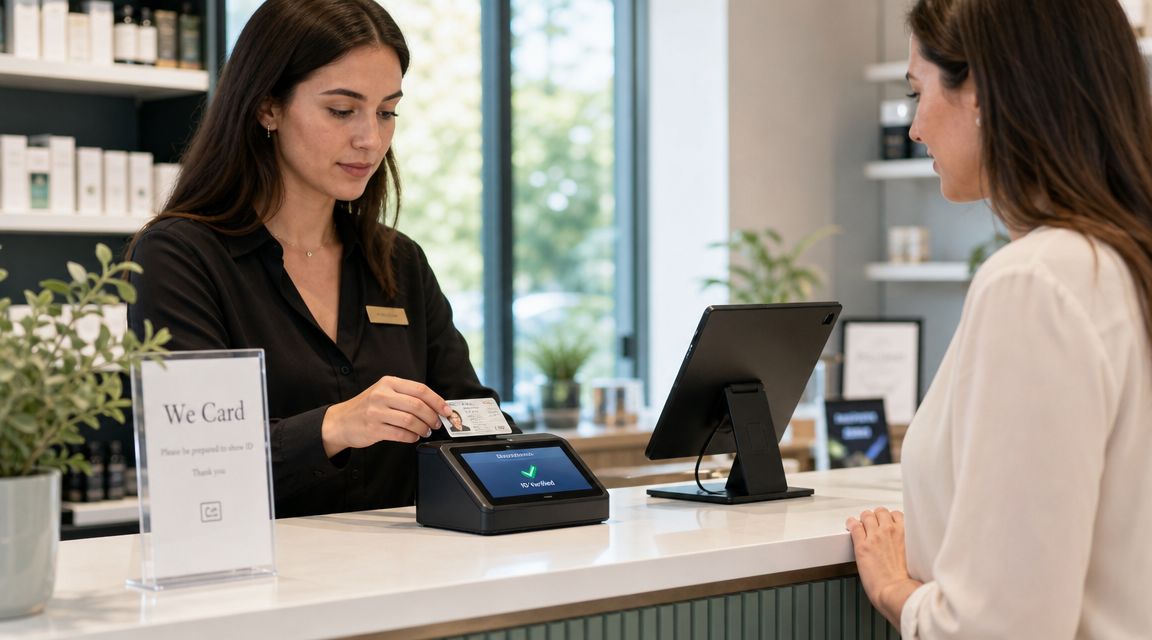
That's how compliant access should work. Recreational rules should be enforced consistently, and medical questions should be handled with patience instead of guesswork. If someone isn't eligible for an adult-use purchase, the conversation should stop there and move toward lawful information, not wink-and-nod advice.
What responsible guidance sounds like
For a qualified medical patient, the conversation changes. Instead of “Can I get this anyway?” it becomes “What format fits my needs?” A first-time patient might ask whether a cartridge is easier to manage than an edible, or whether a certain product type is likely to feel too heavy for daytime use.
A careful guide keeps the advice grounded:
- Check eligibility first: No menu discussion matters if the purchase itself isn't lawful.
- Match the format to the goal: A patient seeking quick onset may ask about inhaled options, while someone avoiding inhalation may prefer another format.
- Keep expectations realistic: New users need plain language, not hype.
A good dispensary interaction protects the customer before it sells anything.
That's the standard people should expect from any legal operator in DC.
Your Responsible Path Forward
If you're under the adult-use age and searching how to get carts under 21, the safest answer is also the clearest one. Don't try to buy THC carts through illegal channels. If you may qualify for medical access, explore that route properly. If you don't, choose legal alternatives and use this time to learn.
That approach protects your health, your record, and your money. It also sets you up to make better decisions later, whether you become a qualified patient or wait until you're old enough for lawful adult-use access.
When you're ready to understand the shopping process itself, this first-timer's guide to your first dispensary visit can help you know what to expect.
If you want clear, compliance-focused cannabis education in DC, Mr. Nice Guys DC offers resources for patients and adult consumers who want to understand products, access rules, and safer use without the confusion.
Mr Nice Guys DC
At Mr. Nice Guys DC, we’re more than just a cannabis delivery service — we’re passionate advocates for quality, convenience, and community. With years of experience in the cannabis industry, our team is dedicated to educating and empowering customers across Washington, D.C. Whether you're a seasoned user or just starting your cannabis journey, our blog delivers trusted tips, product insights, and the latest updates from the world of weed. Stay informed, stay elevated.
