
Must Be 21 To Enter
By entering this site you are agreeing that you are at least 21 Years of Age or older.
I AM 21 OR OLDERCannabis Oil Effects: What to Expect and How to Choose
.svg)

.png)
You've taken a few drops of cannabis oil, waited ten minutes, and nothing seems to be happening. Dinner was heavy, your medication list is complicated, and you're wondering whether another dose would help or create a problem. That uncertainty is common, because cannabis oil effects depend on more than the label. The oil's THC and CBD ratio, your route of administration, what you ate, your liver enzymes, and the timing of a second dose can all change the experience.
Cannabis oil may feel calming, sedating, stimulating, intoxicating, or barely noticeable. It can also cause dizziness, nausea, dry mouth, diarrhea, or unwanted anxiety. The safest way to approach it is to understand the pharmacokinetics, meaning how your body absorbs, processes, and clears cannabinoids, before trying to adjust the dose.
Navigating Your First Experience with Cannabis Oil
Maya bought her first cannabis oil after discussing persistent nighttime discomfort with a dispensary employee. She expected a simple choice, perhaps CBD for relaxation or THC for stronger effects. Instead, she encountered bottles with different cannabinoid ratios, serving instructions, and administration methods. Her main question was practical: how would she know whether she had taken too much?
That concern is reasonable. Cannabis oil is not one predictable product category. A CBD-dominant oil, THC-heavy tincture, and balanced full-spectrum formula can feel different even when the labeled volume is the same. The formulation matters because CBD does not reliably cancel THC's effects. A 2019 systematic review of CBD and THC examined 16 studies involving 466 participants and reported mixed results. Some studies suggested CBD might reduce specific acute THC effects, including intense anxiety or psychosis-like symptoms, yet the review found no consistent dose-response pattern or reliable effect across every outcome.
Food can change the experience as well. Maya took her first dose after a large meal, which may be particularly relevant for CBD oil. Under fasting conditions, oral CBD bioavailability is about 6%, while a high-fat meal can increase it fourfold, according to a PubMed review of oral CBD pharmacokinetics. The same labeled dose can therefore create different cannabinoid exposure depending on whether it is taken with food or on an empty stomach.
Practical rule: Keep your first few attempts consistent. Use the same product and route, similar meal conditions, and a comparable time of day. This makes it easier to identify what changes the result.
Before visiting a dispensary, write down your goal, current medications, preferred timing, and whether you want intoxicating effects. A first-time dispensary guide can help you prepare questions before shopping. The aim is not the strongest oil. Choose the lowest exposure that supports your goal without disrupting alertness, balance, sleep, or daily responsibilities.
How Cannabinoids Interact with Your Body
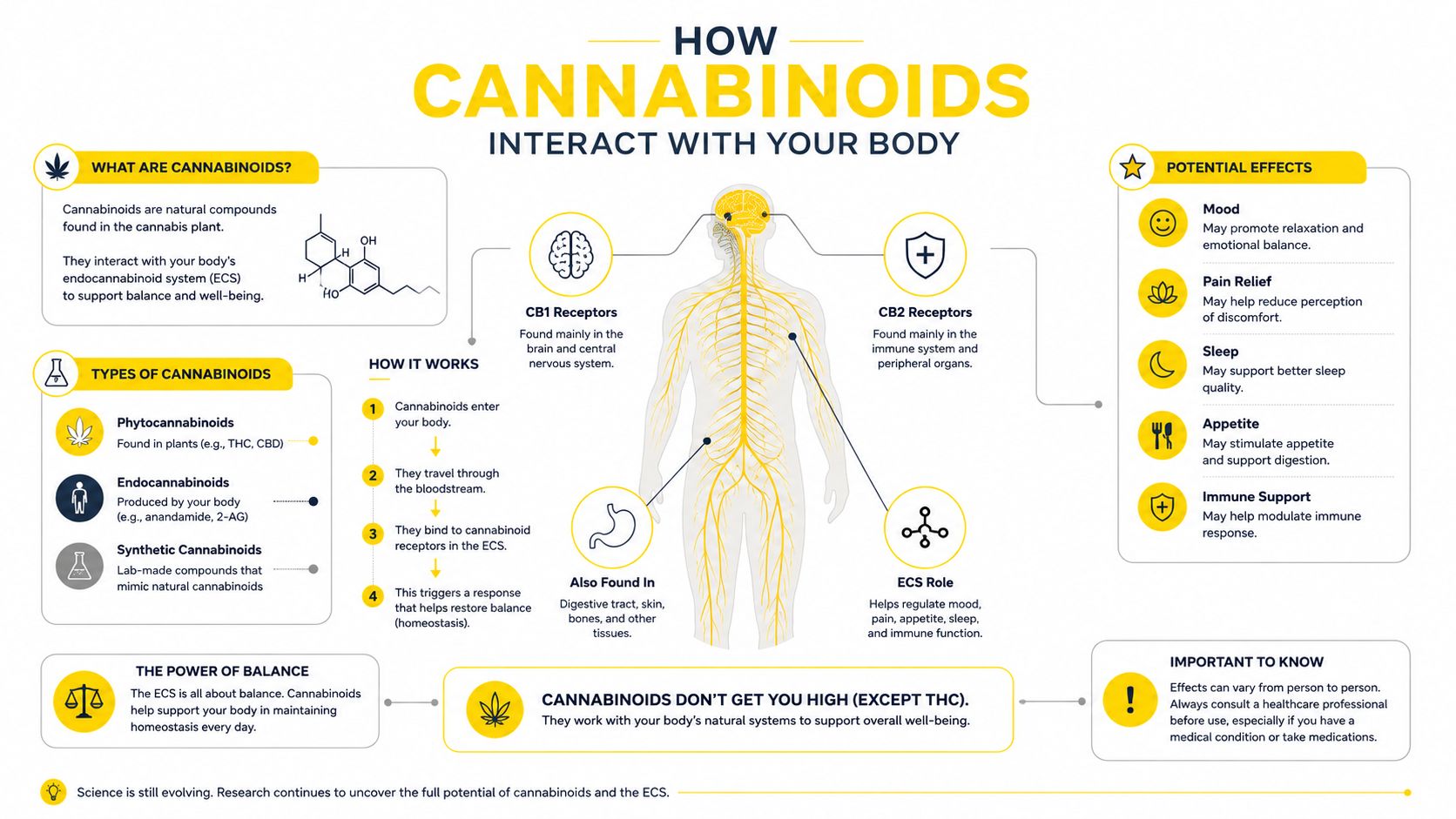
Think of the endocannabinoid system, or ECS, as a network of locks throughout the nervous system, immune system, and other tissues. Your body produces its own cannabinoid-like messengers, which act as keys for those locks. Plant cannabinoids, including THC and CBD, influence the same broader signaling network, but they don't use it in identical ways.
THC acts more directly at cannabinoid receptors, especially CB1 receptors in the brain. That interaction helps explain intoxication, altered sensory processing, changes in attention, and the familiar “high.” It can also contribute to anxiety, dizziness, sedation, or impaired judgment, particularly when the dose exceeds a person's tolerance.
CBD behaves differently. It isn't usually intoxicating, and its effects are more indirect and context-dependent. Rather than switching one receptor on, CBD can influence how signaling systems respond to the body's own endocannabinoids and interact with other biological pathways. That difference is why CBD-rich oil may feel less mentally impairing than THC-dominant oil, but it isn't automatically inactive or risk-free.
Why the formula changes the experience
The product label usually places the oil into one of three broad categories:
- Full-spectrum oil contains multiple cannabis compounds, potentially including THC, CBD, and aromatic compounds called terpenes.
- Broad-spectrum oil is designed to retain several plant compounds while minimizing or removing THC.
- CBD isolate focuses on CBD alone rather than a broader plant extract.
People often use the phrase entourage effect to describe the theory that cannabinoids and terpenes may work differently together than they do separately. It's a useful product-selection concept, but it shouldn't be treated as a guarantee that a full-spectrum formula will outperform an isolate or eliminate side effects. Formulation, dose, route, and individual biology still control the practical outcome.
A balanced oil can create a different THC experience than a THC-only oil, but CBD doesn't function like an antidote. The earlier systematic review found that CBD reduced certain THC-related acute effects in some studies, while other outcomes showed no dependable change. You can learn more about the distinctions among major cannabinoids in this cannabinoid breakdown guide.
Your body adds another variable
Once cannabinoids enter circulation, the liver helps transform them through metabolic pathways. Enzyme differences mean two people can use the same oil and report different onset, intensity, and duration. That isn't a product failure. It's one reason a dose that feels mild to one person may feel excessive to another.
Onset Times and Duration by Administration Route
The administration route determines how quickly cannabinoids appear in your bloodstream and how long their effects remain noticeable. New users often treat oil as if every method behaves like inhalation. It doesn't.
Sublingual use means holding drops under the tongue before swallowing. Some absorption can occur through tissues in the mouth, so the experience may begin sooner than a fully swallowed dose. Oral use sends the oil through the gastrointestinal tract, where digestion and first-pass metabolism delay and reshape cannabinoid exposure. Inhaled THC or CBD reaches the bloodstream through the lungs and generally peaks faster.
| Administration Route | Onset Time | Peak Effects | Total Duration |
|---|---|---|---|
| Sublingual oil | About 5 to 30 minutes | About 1.5 to 4 hours | About 12 to 24 hours |
| Oral oil | Slower and delayed by gastrointestinal processing | Later than inhaled use, with timing affected by digestion and metabolism | Longer than inhaled use |
| Inhaled THC or CBD | Peaks in about 3 to 10 minutes | Rapid peak | Shorter than oral oil |
These timing ranges come from Health Canada's guidance for health care professionals. The same guidance explains that oral cannabis oil has a slower onset and longer duration than inhaled cannabis because gastrointestinal absorption and first-pass metabolism delay the process.
Why redosing causes trouble
Suppose you swallow a dose before dinner. After thirty minutes, you feel nothing, so you take more. The original dose may still be moving through digestion, and the meal may change absorption. When both doses become active, the combined effect can be much stronger and last longer than expected.
Sublingual use can begin acting in about 5 to 30 minutes, but peak effects may arrive around 1.5 to 4 hours. That gap matters. Feeling the first hint of an effect doesn't mean the experience has reached its maximum.
Delayed effects deserve delayed decisions. If you're unsure whether the first dose has worked, don't use impatience as your dosing strategy.
The route also affects scheduling. A person using oil at night may need to account for next-day drowsiness, while someone using it during the day should avoid driving or tasks that require reliable coordination until they understand their response. For a broader format comparison, see this guide to edibles, vapes, and flower.
Therapeutic Potential and Common Side Effects
People commonly consider cannabis oil for pain, sleep, anxiety, muscle discomfort, or general relaxation. The evidence doesn't support treating every oil as a broad solution, and the result depends heavily on whether the formula contains THC, CBD, or both.
A 2025 living systematic review found only small short-term improvements in pain and reported moderate-to-large increases in common adverse events, including dizziness, sedation, and nausea. The review also indicated that low-THC-to-CBD products may not improve outcomes compared with placebo. That distinction matters for someone seeking durable relief. A product may change how a symptom feels temporarily without producing a meaningful long-term improvement in function or quality of life.
What benefits may look like in practice
A person with evening discomfort might notice easier relaxation after a THC-containing oil. Someone using a CBD-rich product may notice little intoxication but experience tiredness or digestive changes. Another person may feel no useful benefit at a similar dose. These are all plausible responses because cannabis oil effects vary with formulation, biology, route, and expectations.
Sleep adds another layer. Sedation can make falling asleep feel easier, but it doesn't automatically correct the cause of poor sleep or guarantee better restorative sleep. If pain, anxiety, medication effects, or an untreated sleep condition keeps disrupting rest, cannabis oil may address only one part of the problem.
Side effects usually track exposure
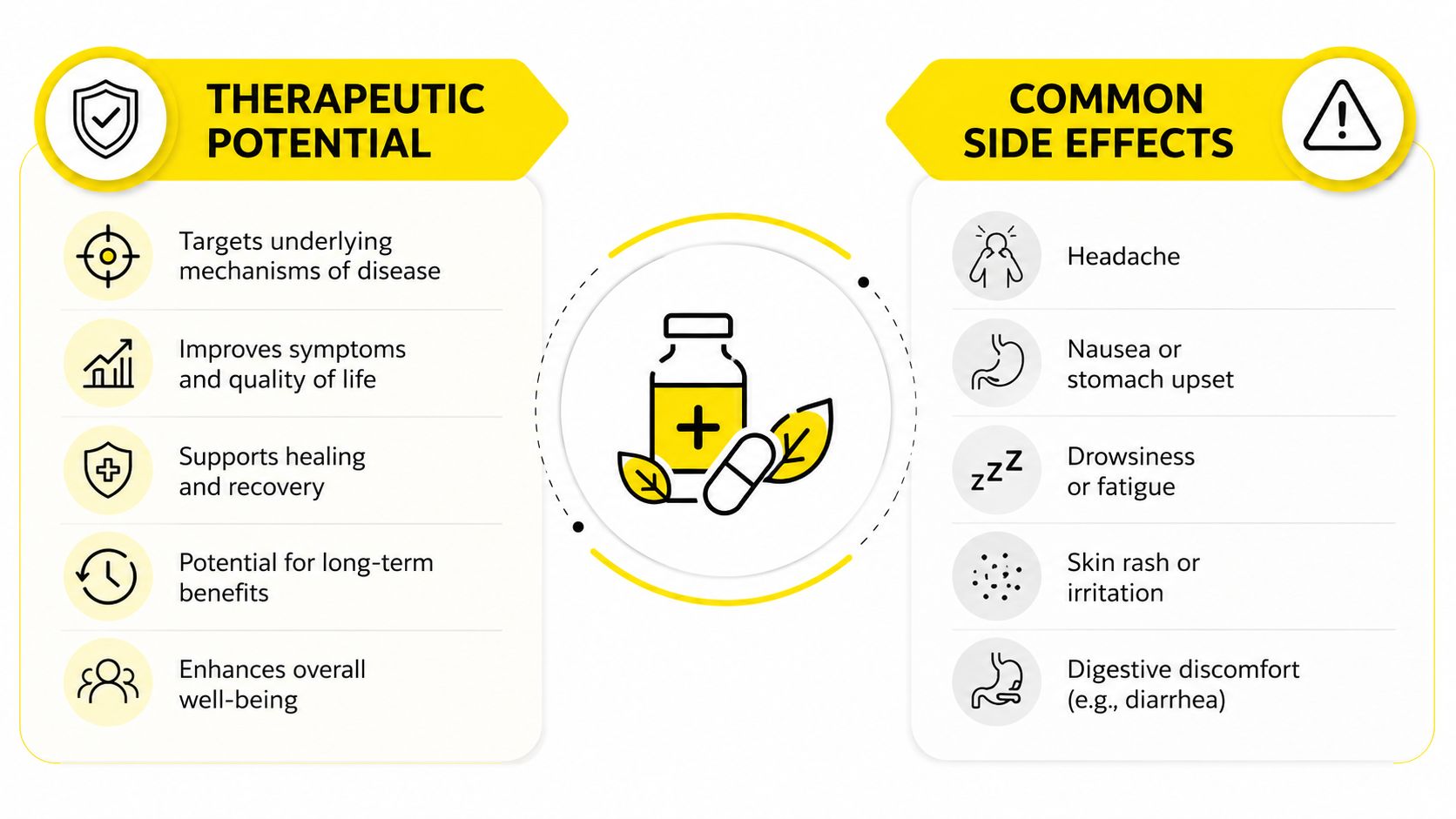
Clinical reviews identify drowsiness, dizziness, and sedation as common central nervous system effects, with nausea, vomiting, and diarrhea also reported in clinical evidence summarized by the National Center for Biotechnology Information. These effects often become more noticeable as the amount consumed rises.
A phase Ib randomized study of cannabis oil for Parkinson's pain reported a maximum tolerated daily volume of only 0.8 to 0.9 mL, with drowsiness and dizziness among the most frequent adverse events. Those effects improved after dose reduction, which supports a direct relationship between dose and tolerability.
| Intended goal | Possible useful experience | Possible unwanted experience |
|---|---|---|
| Nighttime relaxation | A calmer transition into bed | Next-day drowsiness or sedation |
| Pain support | Less noticeable discomfort | Dizziness, nausea, or impaired coordination |
| Anxiety management | Reduced tension for some users | THC-related anxiety or an uncomfortable mental state |
| General wellness | A mild change in mood or body tension | No meaningful benefit despite side effects |
Start with a clearly defined goal, not a vague desire to “feel something.” If the desired effect doesn't appear but dizziness or nausea does, increasing the dose is unlikely to be a sensible next step.
CBD Safety and Drug Interactions
A person may choose CBD-only oil because it does not usually produce a typical high, then feel unexpectedly tired after taking it with a prescription. Non-intoxicating describes the mental effect, not the absence of side effects. CBD can still affect alertness, digestion, appetite, and how the body handles medications.
A 2025 review found fewer side effects among low-THC and CBD-oil-only users than among high-THC users. Reported complaints still included dry mouth, diarrhea, tiredness, and headache. A separate 2023 toxicity review documented somnolence, diarrhea, fatigue, vomiting, hepatic abnormalities, and drug-drug interactions in its review of CBD safety.
Why the liver matters
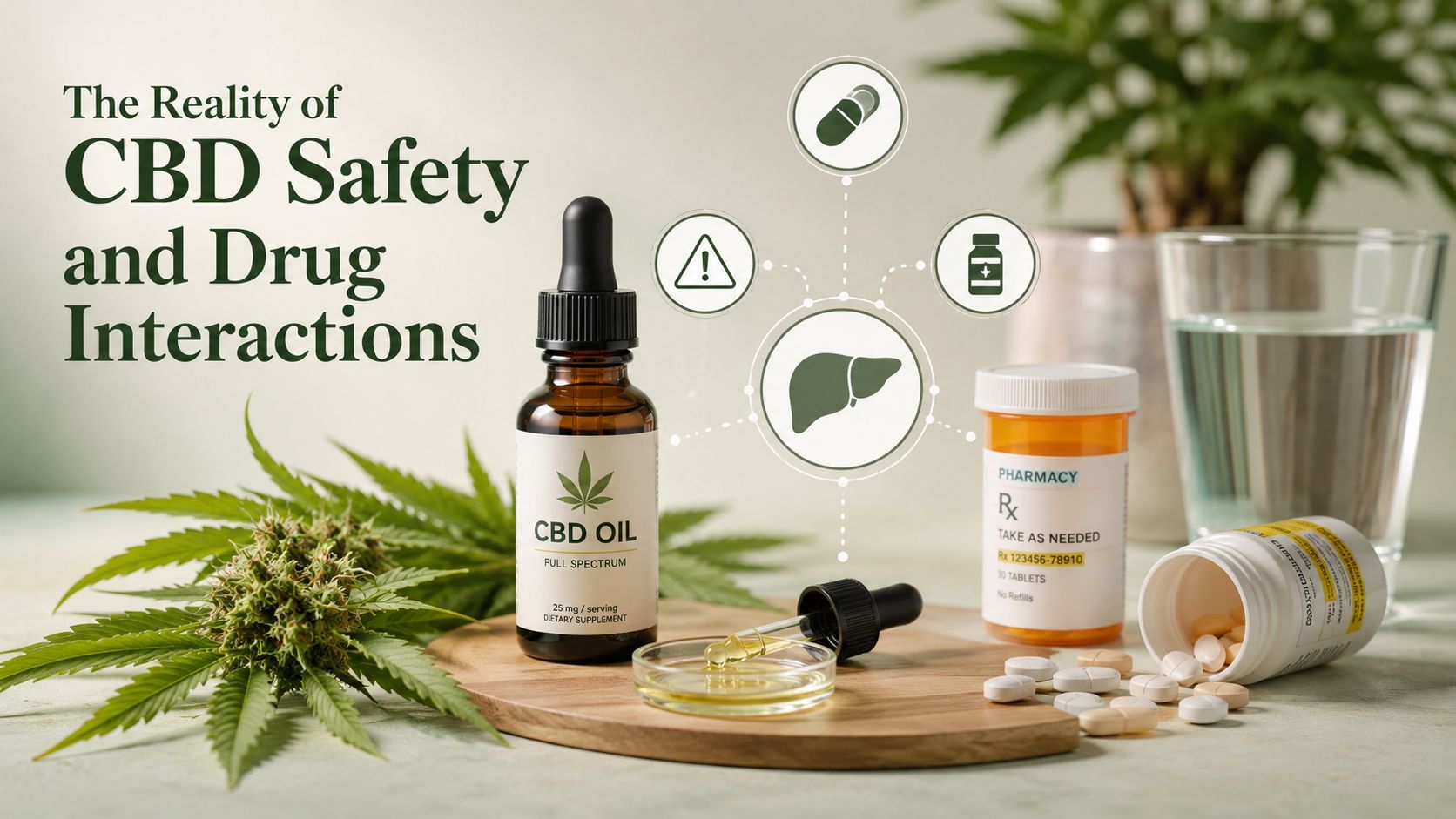
The liver processes many medicines through enzyme systems, including CYP pathways. Oral cannabinoids also pass through liver metabolism. CBD or THC may compete with, inhibit, or otherwise change the handling of another substance. As a result, a prescription could remain active longer, reach greater exposure, or behave differently than expected.
A 2022 pharmacology paper describes oral THC and CBD bioavailability as generally low, often estimated at about 6%, partly because first-pass metabolism involves CYP2C9, CYP2C19, and CYP3A4. It also reported that daily doses up to 480 mg of CBD and 21.6 mg of THC were generally safe over one week of twice-daily dosing, with tolerance improving after the first day. Those findings do not establish a safe personal dose for every patient. The pharmacology details appear in this analysis of oral cannabinoid handling.
People taking several prescriptions should ask for an individualized review, especially when medicines affect alertness, blood clotting, seizures, mood, blood pressure, or liver function. Alcohol and other sedating substances may further increase drowsiness and impaired coordination.
Make the medication check specific
Bring the exact product label, cannabinoid amounts, serving size, and intended route to a pharmacist or prescribing clinician. Do not stop a prescription suddenly to try cannabis oil, and do not assume a CBD label removes the need for medical review. A medication compatibility check can help you prepare questions, while a qualified health professional assesses your medication list.
Mastering Dosing and Bioavailability Factors
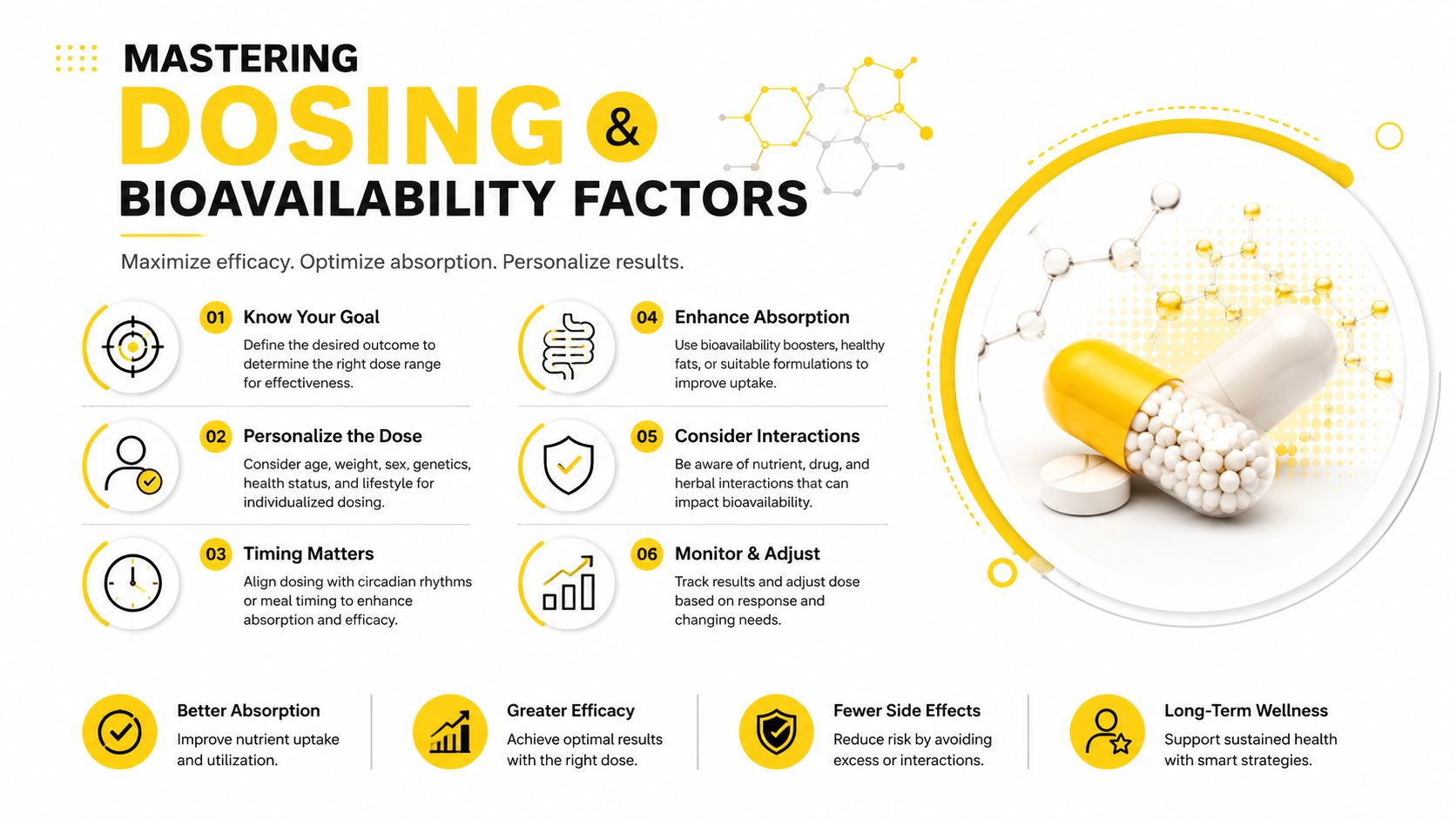
A cannabis oil label records the product's contents, not the exact amount your body will absorb. Bioavailability means the portion that reaches circulation in an active form. For oral oils, exposure can shift with food, dose, digestion, and liver metabolism. The same measured serving may feel different on an empty stomach than after a meal.
As noted earlier, oral CBD bioavailability is low and highly variable. A high-fat meal can increase exposure, so consistent meal conditions make your response easier to interpret. That does not make a heavy meal a reliable dosing tool. It shows why changing breakfast, lunch, or dinner patterns can complicate comparisons.
A measured titration routine
Define the target. Choose one purpose, such as nighttime relaxation or pain support. Record the time, route, product, serving, and response.
Use the smallest labeled serving. Check the THC and CBD per serving. The oil volume alone does not tell you the cannabinoid dose.
Keep conditions stable. Take the oil at a similar time and with a similar food pattern. Fasting and a fatty meal can produce different exposure from the same serving.
Wait through the delayed window. Oral oil develops more slowly than inhaled cannabis. Avoid adding another serving because the first few minutes feel uneventful.
Change one variable. If you adjust the amount, keep the product and route unchanged. Switching from a CBD isolate to a full-spectrum THC-containing oil starts a new trial.
Stop if the tradeoff is poor. Dizziness, heavy sedation, vomiting, significant anxiety, or other concerning symptoms are reasons to pause and seek appropriate medical advice.
A larger serving also may not create a proportional increase in effects. The body's handling of CBD can become less predictable as the dose rises, so doubling the labeled amount does not necessarily double the result. Smaller adjustments are easier to evaluate than large jumps, particularly for a first-time user.
Use the label to check total THC, total CBD, amount per serving, ingredients, extraction type, and testing information. A high CBD total can still cause unwanted effects, while a small amount of THC may feel strong to someone with low tolerance. Product strength is only one part of the outcome. Meal timing and individual metabolism matter too.
Choosing Quality Products at a DC Dispensary
Product selection should connect the label to your actual needs. Start by asking whether you want intoxicating effects, how quickly you need relief, how long you can tolerate impairment, and whether you take prescription medication. Then compare the cannabinoid ratio, serving information, ingredients, route, and batch testing rather than choosing by strain name alone.
A practical checklist includes:
- Verify the certificate of analysis. Look for potency results and contaminant testing where available.
- Check the serving math. Confirm THC and CBD per serving, total cannabinoid content, and the measurement method.
- Match route to schedule. Sublingual and oral oils suit different timing needs, while inhaled products have a faster peak.
- Ask about formulation. Full-spectrum, broad-spectrum, and isolate products can create different tradeoffs.
- Disclose medications. A budtender can help you identify questions for your pharmacist or clinician.
- Follow local rules. Use a compliant medical cannabis channel and follow the product's storage and use instructions.
A dispensary employee can help you compare options, but they can't replace medical advice or guarantee a therapeutic result. A reputable store should be willing to explain labels, show available testing information, and discuss why one route or ratio may fit your routine better than another. Review this guide to product testing standards before making a purchase.
For Washington, DC patients and adults 21+, Mr. Nice Guys DC offers cannabis products including tinctures and other formats, with in-store pickup, curbside service, and delivery options powered by Sweede. Its staff can help you compare cannabinoid ratios, serving information, and administration routes while keeping the conversation focused on your intended cannabis oil effects and safety questions.
Visit Mr. Nice Guys DC to compare available tinctures, cannabinoid formulations, and current product information for pickup or delivery in Washington, DC and nearby areas. Bring your medication list and your intended goal, then ask the team to help you choose an oil whose dose, route, and timing fit your routine.
Mr Nice Guys DC
At Mr. Nice Guys DC, we’re more than just a cannabis delivery service — we’re passionate advocates for quality, convenience, and community. With years of experience in the cannabis industry, our team is dedicated to educating and empowering customers across Washington, D.C. Whether you're a seasoned user or just starting your cannabis journey, our blog delivers trusted tips, product insights, and the latest updates from the world of weed. Stay informed, stay elevated.
