
Must Be 21 To Enter
By entering this site you are agreeing that you are at least 21 Years of Age or older.
I AM 21 OR OLDERRuntz Strain Effects: Euphoria & Relaxation
.svg)

.png)
You hear about Runtz all the time. A friend says it made them laugh for an hour. Another says it knocked them out. Then you look at a menu and wonder whether those two people even used the same strain.
That confusion makes sense. Runtz has a reputation that’s bigger than the average hybrid, and hype tends to flatten the details that matter to patients. A common question is not whether Runtz is famous. It is whether it will help them unwind after work, settle pain enough to eat dinner, or calm their head without leaving them stuck on the couch too early.
From the dispensary side, Runtz is one of those strains that rewards clear expectations. It can feel social and bright at the front end, then much heavier later. If you understand that arc and dose with intention, the strain makes a lot more sense.
Decoding the Hype Behind the Runtz Strain
A common patient interaction goes like this. Someone comes in asking for “something relaxing but not boring,” or “something that helps me feel better before it makes me sleepy.” A lot of the time, Runtz ends up in that conversation.
That’s because Runtz sits in a lane many patients like. It comes from Zkittlez and Gelato, and that lineage helps explain why people keep describing it as both upbeat and soothing. It isn’t a one-note strain.
For patients who are still sorting out how hybrid effects can vary, it helps to understand the broader difference between head effects and body effects first. Our guide to indica vs sativa effects gives that context, but Runtz is a good example of why the old labels only get you so far. Its reputation comes from balance, not from fitting neatly into one box.
Why patients keep asking for it
Runtz gets attention for flavor, but flavor alone doesn’t keep a strain in rotation. Patients usually come back to it because the effects feel layered.
One person might use it at the end of a stressful day and notice the mood shift first. Another might notice their shoulders unclench, then realize they’re ready for bed an hour later. Both are describing Runtz accurately.
Some strains start and end in the same place. Runtz usually doesn’t. That’s the whole point.
What the hype misses
The phrase “candy strain” doesn’t tell you much about function. For a patient, the main question is whether the high stays manageable.
In practice, Runtz often works best for people who want options inside the same session. A light amount can feel upbeat enough for conversation, music, or decompressing after a long commute. More than that, and the body side tends to take over. That trade-off is where the strain becomes useful, but it’s also where people can overshoot if they treat it like a casual daytime smoke.
What to Expect from the Runtz Experience
Runtz is a balanced hybrid strain (50% sativa/50% indica) from Zkittlez and Gelato, and it consistently tests at 19-29% THC. Leafly user data cited by The Library shows 22% report anxiety relief, 16% stress reduction, and 15% depression alleviation, which lines up with how often patients describe it as both elevating and relaxing in the same session (The Library’s Runtz strain guide).

The easiest way to understand runtz strain effects is to think of them in two waves. The first wave is mental. The second wave is physical.
The first wave feels lively
At the start, many patients notice a quick cerebral lift. This is the part people describe as happy, giggly, talkative, or more tuned in to music and conversation. If you’ve had a long day and feel mentally wound tight, this opening phase can feel like someone turned the pressure down without shutting your brain off.
A practical example. If you take a couple of light puffs before sitting down with friends, you may find it easier to stay engaged instead of retreating into your own head. If you use the same amount while cleaning your kitchen or putting on an album, the task can feel more enjoyable instead of like one more thing on your list.
That early phase is part of why some patients who want a pleasant body effect also browse our guide to strains known for a strong body high. Runtz often starts above the shoulders before it settles lower.
The second wave gets heavier
Then the body side starts creeping in. Not always all at once. More like a warm blanket that gets steadily heavier.
Muscles can loosen. Your pace may slow down. The urge to keep moving often fades. If you keep dosing into that phase, the strain can move from “pleasantly mellow” to “I’m done for the night” pretty fast.
That’s where some patients make the wrong read. They enjoy the bright start, assume they want more of it, then take extra puffs just as the relaxing side is beginning to build. Twenty minutes later, they’re deeper into sedation than they intended.
Here’s a helpful visual walkthrough of how people often describe that shift:
What works and what doesn’t
- Works well for light social use: Small doses can feel upbeat and easygoing.
- Works well for evening decompression: The body effect often supports winding down after stress or physical tension.
- Doesn’t work well for rushed redosing: If you stack hits too fast, you can skip past the sweet spot.
- Doesn’t work well for “I have three errands left” timing: Once the heavier half arrives, motivation can drop.
Practical rule: If you like the first ten minutes of Runtz, wait before adding more. The rest of the high may still be on its way.
The Science Driving Runtz Strain Effects
If Runtz feels like two strains in one session, the chemistry helps explain why. The experience isn’t random. It reflects how THC and key terpenes work together.

Patients often focus on THC first, which makes sense. Potency sets the floor for how intense the experience can become. But with Runtz, the shape of the high matters as much as the strength.
THC builds the backbone
According to AllBud, beta-caryophyllene, linalool, and limonene are the dominant terpenes in Runtz, and the strain’s effect often begins with cerebral euphoria within 5-10 minutes of inhalation and transitions to full-body sedation. The same source notes that lab tests showing 24-28% THC correlate with effects lasting 2-4 hours (AllBud’s Runtz profile).
That pattern tracks with what patients usually report in the shop. THC gives Runtz its punch, but timing changes the feel. At first, the mental lift is what stands out. Later, the physical heaviness becomes harder to ignore.
The terpenes shape the mood and body feel
If you want to go deeper on aroma compounds, our explainer on what terpenes are in weed breaks the basics down. In Runtz, the terpene mix helps make the high feel rounded rather than flat.
Here’s the practical version of what those dominant terpenes often contribute:
- Beta-caryophyllene: Commonly linked with the strain’s body comfort and grounded feel.
- Limonene: Often associated with the brighter, more upbeat front end.
- Linalool: Tends to fit the calmer, softer finish many patients notice later.
This matters when you’re choosing a strain for a specific reason. If someone wants something only stimulating, Runtz may not stay in that lane long enough. If they want something only sedating from the first hit, Runtz may start too cheerfully. But if they want a gradual handoff from uplift to release, the chemistry supports that profile.
Runtz makes the most sense when you stop asking, “Is it energizing or sedating?” and start asking, “At what point in the session?”
Why the entourage idea matters here
Patients don’t consume isolated THC when they smoke flower or use a full-spectrum product. They experience a mix of compounds at once. That’s why two strains with similar THC numbers can still feel very different.
With Runtz, the blend tends to create a high that opens socially and closes physically. That’s the practical takeaway. The science isn’t there to make the strain sound more impressive. It helps you predict whether it fits your day, your symptom pattern, and your tolerance.
Onset and Duration by Consumption Method
Method changes the whole experience. Not the personality of the strain, but the pace, intensity, and how easy it is to steer.
If a patient tells me they want fast feedback, I think inhalation. If they want a slower, longer ride, I think edible or tincture. The same Runtz profile can feel very different depending on how it enters the body.
For a broader format comparison, our guide to edibles, vapes, and flower helps frame the choice.
Runtz effects by consumption method
| Method | Onset Time | Peak Effects | Total Duration |
|---|---|---|---|
| Smoking flower or pre-roll | Usually felt quickly | Builds fast, easier to read in real time | Shorter overall window than edible formats |
| Dry herb vaping | Usually felt quickly | Often easier to dose gradually | Similar general window to smoking |
| Edibles | Slower to arrive | Can feel stronger once fully developed | Longer-lasting than inhaled methods |
| Tinctures | Often between inhalation and edibles | More controllable than an edible for some patients | Moderate to long depending on dose and use style |
What works best for different goals
A patient getting home from work with stress in their shoulders may do better with flower or a vape. The feedback is faster. You can take a small amount, wait, and decide whether you’re in the zone you wanted.
A patient using Runtz for nighttime discomfort may prefer an edible if they’re specifically trying to stay asleep longer. The trade-off is that edibles punish impatience. People often take more before the first dose has landed.
Consider this perspective:
- Use inhalation when you want control: Good for people who want to stop at the upbeat phase or carefully ease into the body phase.
- Use edibles when you want staying power: Better when the goal is extended relief and you’re comfortable waiting.
- Use tinctures when you want flexibility: Often useful for patients who don’t want to smoke but still want more control than an edible sometimes gives.
A practical dosing example
Let’s say your goal is “relaxed enough to enjoy the evening, but not ready for bed at 7 p.m.” In that case, a low inhaled dose is usually easier to manage than an edible. You can pause once the mood improves.
If your goal is “I need this to carry me through the night,” a carefully chosen edible may fit better. What doesn’t work is treating all formats like they ramp up the same way. They don’t. That’s how patients accidentally turn a manageable hybrid into a much longer night than planned.
Medical Applications for Runtz Patients
For medical patients, Runtz is useful because it doesn’t only do one thing well. It can lift mood at the front end, ease into body relaxation later, and in the right setting support appetite, nausea relief, and sleep.
Leafly-linked pharmacodynamic analysis reports that Runtz’s high myrcene/caryophyllene content can reduce chronic pain perception by 40-60% in user benchmarks. The same source says data from more than 1000 AllBud and Leafly reviews indicates an 85% efficacy rate for managing symptoms of PTSD and stress (Leafly’s Runtz page).

Where Runtz tends to fit well
For many patients, the strongest use case is stress with physical tension. If your mind is busy and your body feels tight, Runtz often addresses both sides of that experience. The mood lift can make the stress feel less sharp, and the later body effect can help loosen the physical aftermath.
Pain patients also tend to notice that Runtz doesn’t always come in like a blunt sedative. That can be helpful. Some people want relief while still being able to watch a movie, eat dinner, or have a conversation before the heavier finish arrives.
Practical examples patients recognize
- After-work stress: A small inhaled dose may help someone stop replaying the day and settle into the evening.
- Chronic pain with irritability: The early euphoria can soften the emotional edge of being uncomfortable, then the body effect may help with the ache itself.
- Nausea and appetite loss: Some patients prefer a strain that helps them feel a little lighter mentally before they try to eat.
- Sleep support: Higher dosing or later-session use can lean more toward sleepiness than sociability.
If your main problem is that pain and stress feed each other, Runtz often makes sense because it can interrupt both, not just one.
Trade-offs matter
This strain isn’t perfect for every medical situation. If someone is highly sensitive to THC, the uplifting start can feel a little too active when they wanted immediate calm. If someone needs to stay sharply task-focused, the body phase may arrive too early for their schedule.
That’s why I usually frame Runtz as an evening-leaning tool with range. It can serve several needs, but timing and dose decide which side of the strain shows up most clearly.
Managing Side Effects and Finding Your Dose
A good Runtz experience is usually won or lost. Not in the strain itself. In how fast you push it.
Common complaints around Runtz are familiar cannabis issues. Dry mouth shows up a lot. Dry eyes can too. At higher amounts, some people get dizzy or feel mentally overstimulated before the relaxing half catches up. Rarely, someone sensitive to potent THC may feel uneasy instead of calm.
Start low and wait longer than you think
The biggest mistake is chasing the opening euphoria too aggressively. Patients take a puff, feel the first lift, want more of that, then stack another round before the body effect has fully developed.
A better approach is simple:
- Take one small inhalation if you’re new to the strain.
- Wait and pay attention to the shift, not just the first sensation.
- Only add more if you still need more relief after the strain settles.
That waiting period matters. Runtz often tells you what kind of session you’re having after the first pleasant buzz.
Side effect management that actually helps
- Dry mouth: Keep water nearby before you start, not after you’re already uncomfortable.
- Dry eyes: Eye drops help more than trying to “walk it off.”
- Dizziness: Sit down, slow your breathing, and don’t keep smoking through it.
- Anxious feelings: Change the setting. Lower the stimulation, dim the room, and stop dosing.
A lot of “this strain hit me too hard” stories are really “I didn’t wait long enough before deciding it wasn’t working.”
Matching dose to intent
If you want the upbeat, talkative side of Runtz, think light and measured. A small amount is often enough.
If you want the body-heavy side for pain or sleep, you can go further, but only if you accept the trade-off. More relief may come with less productivity, less motivation, and a stronger chance of couch-lock. Patients usually do better when they decide in advance which outcome they want instead of trying to improvise mid-session.
What doesn’t work is vague dosing. “I’ll just keep going until I feel it” is a poor plan with a potent hybrid. Runtz rewards intention.
Finding Quality Runtz in Washington DC
A patient comes in asking for Runtz because they have heard it is fun, sweet, and strong. My first question is simpler. Do you want the bright, social front half of the high, or are you trying to reach the heavier body relief that tends to show up later?
That distinction matters when you shop. Runtz is not just a strain name to chase. Batch quality, product format, and potency all shape whether your session stays light and giggly or turns into a slower, more sedating evening.
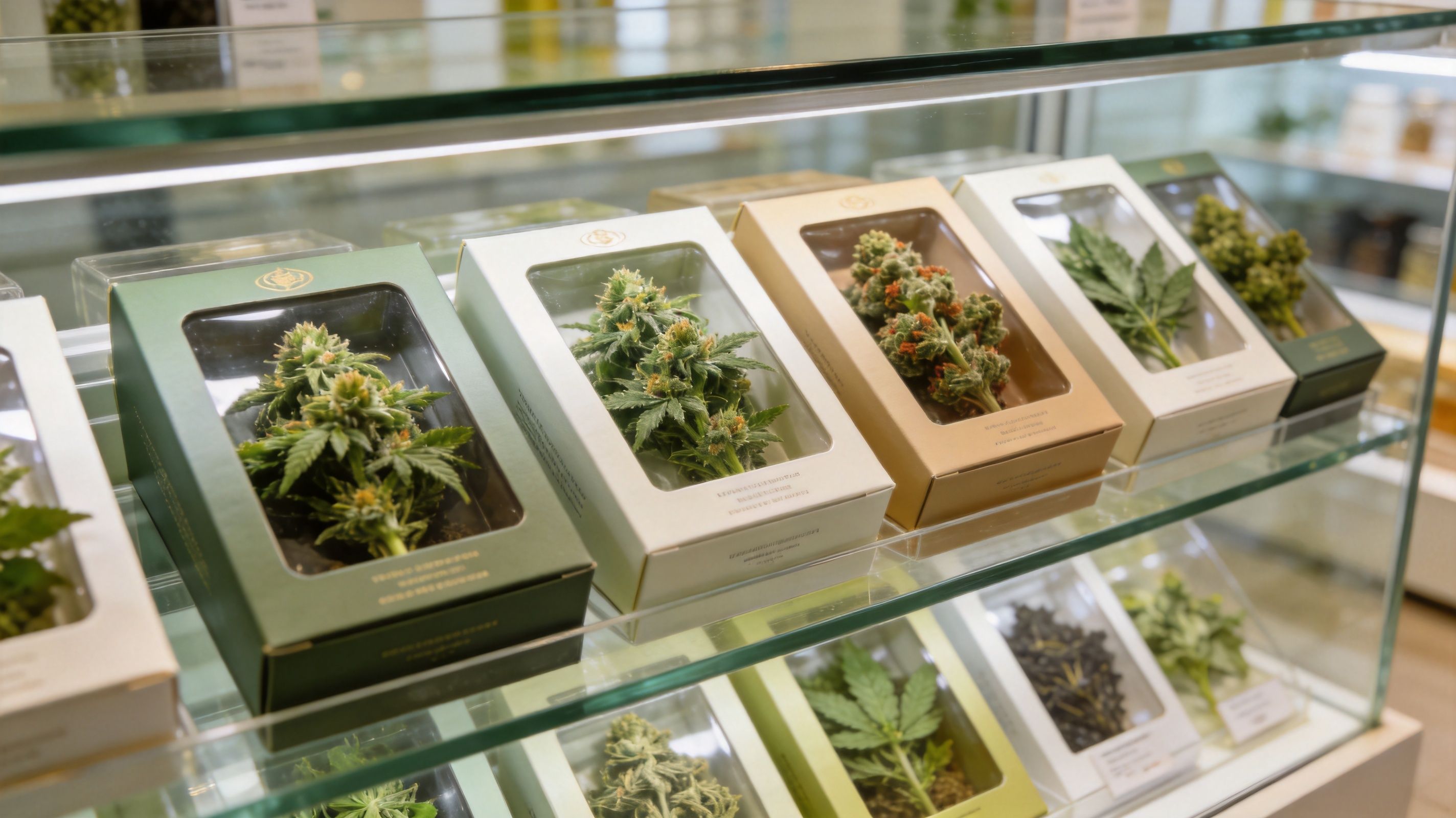
How to choose between flower and pre-rolls
Flower usually gives patients the best control over the biphasic Runtz experience. You can take one small pull, wait, and decide whether you want to stay in that upbeat zone or keep going toward deeper physical relaxation. That makes flower a smart fit for newer patients and for anyone using Runtz earlier in the day.
Pre-rolls are convenient, but they are less precise. People tend to keep smoking because the joint is lit, not because the first dose was not enough. With a strain like Runtz, that habit can push you past the cheerful, clear-headed stage and into a much heavier effect than you planned.
What to look for when shopping
- Lab-tested potency: Potency can swing from batch to batch, so check what you are buying.
- Freshness and aroma: A good batch should smell lively, not flat or stale. Weak aroma often points to older flower and a less satisfying effect.
- Format fit: Flower works well for dose control. Pre-rolls work well for convenience.
- Your specific use case: Midday mood support, evening pain relief, and bedtime use call for different dosing habits, even with the same strain.
If you want to compare what is currently available nearby, the current strain lineup at Mr. Nice Guys DC can help you sort by product type and intended effect.
A practical way to shop for consistency
In DC, experienced patients usually are not looking for hype. They want repeatable results. They want to know whether a Runtz product is something they can use before dinner and still function, or whether it makes more sense for the last hour of the night.
That is the right way to approach this strain.
A quality Runtz product should let you make a clear choice. Use a small amount if you want to hold onto the giggly, mentally lighter side. Use more caution if your goal is body-heavy relief, because the trade-off is often lower motivation and a shorter list of things you will want to do afterward. Patients who do best with Runtz usually buy with that trade-off in mind instead of treating every batch like it will behave the same.
If you want help choosing a Runtz flower, pre-roll, vape, or another format that fits your schedule and tolerance, the team at Mr. Nice Guys DC can walk you through the options in plain language and help you shop for effects, not just strain names.
Mr Nice Guys DC
At Mr. Nice Guys DC, we’re more than just a cannabis delivery service — we’re passionate advocates for quality, convenience, and community. With years of experience in the cannabis industry, our team is dedicated to educating and empowering customers across Washington, D.C. Whether you're a seasoned user or just starting your cannabis journey, our blog delivers trusted tips, product insights, and the latest updates from the world of weed. Stay informed, stay elevated.
