
Must Be 21 To Enter
By entering this site you are agreeing that you are at least 21 Years of Age or older.
I AM 21 OR OLDERNew Product Launches: Your Patient-First Guide for 2026
.svg)

.png)
You're staring at a fresh drop on your phone, maybe a new Gelato cross, maybe a limited Runtz batch, and the question is simple, which choice is smart for you right now? Launch day has a different feel from a normal reorder because the menu moves fast, the best sizes disappear first, and the wrong format can turn a good idea into a bad afternoon. If you're a patient, not a hype hunter, the winning move is to treat new product launches like a decision you need to make carefully, not a headline you need to chase.
Why Launch Day at a DC Dispensary Feels Different
The first mistake people make is assuming a launch is just another restock with nicer branding. It isn't. A launch is a moment when a fresh batch, a new format, or a new strain enters a crowded menu, and that timing changes everything from selection to patience to how fast you need to decide. If you're browsing the menu while your phone buzzes, you're not just shopping, you're trying to beat the rush without making a sloppy choice.
At a place like what's trending now at the dispensary, the launch usually shows up in familiar categories, flower, cartridges, edibles, concentrates, and sometimes small format variations that look minor until you're the one using them. The practical difference is that launch inventory often rewards the prepared patient, not the casual browser. A routine rotation lets you wait. A real launch asks you to know what you want before the page turns over.
Timing beats impulse
Launch day shopping is a timing game. The people who do well usually already know their format, their dose comfort, and whether they want pickup, curbside, or delivery. They're not hunting for inspiration at checkout.
Practical rule: if you've never tried the product type before, don't let the launch label talk you into acting like a veteran.
That matters even more in DC because medical cannabis shopping is still a compliance-first experience. You're not just asking, “What's new?” You're asking, “What fits my needs, my tolerance, and my schedule?” That's the patient mindset that keeps launch day useful instead of messy.
Getting Verified and Browsing the Live Menu
Start with access, because a launch is useless if you're not ready to buy when the item goes live. Keep your DC medical card or 21+ ID handy, then make sure your verification is complete before you open the live menu. If you're asked for documents, send them cleanly and early. Delays usually happen because people wait until the drop is already moving.
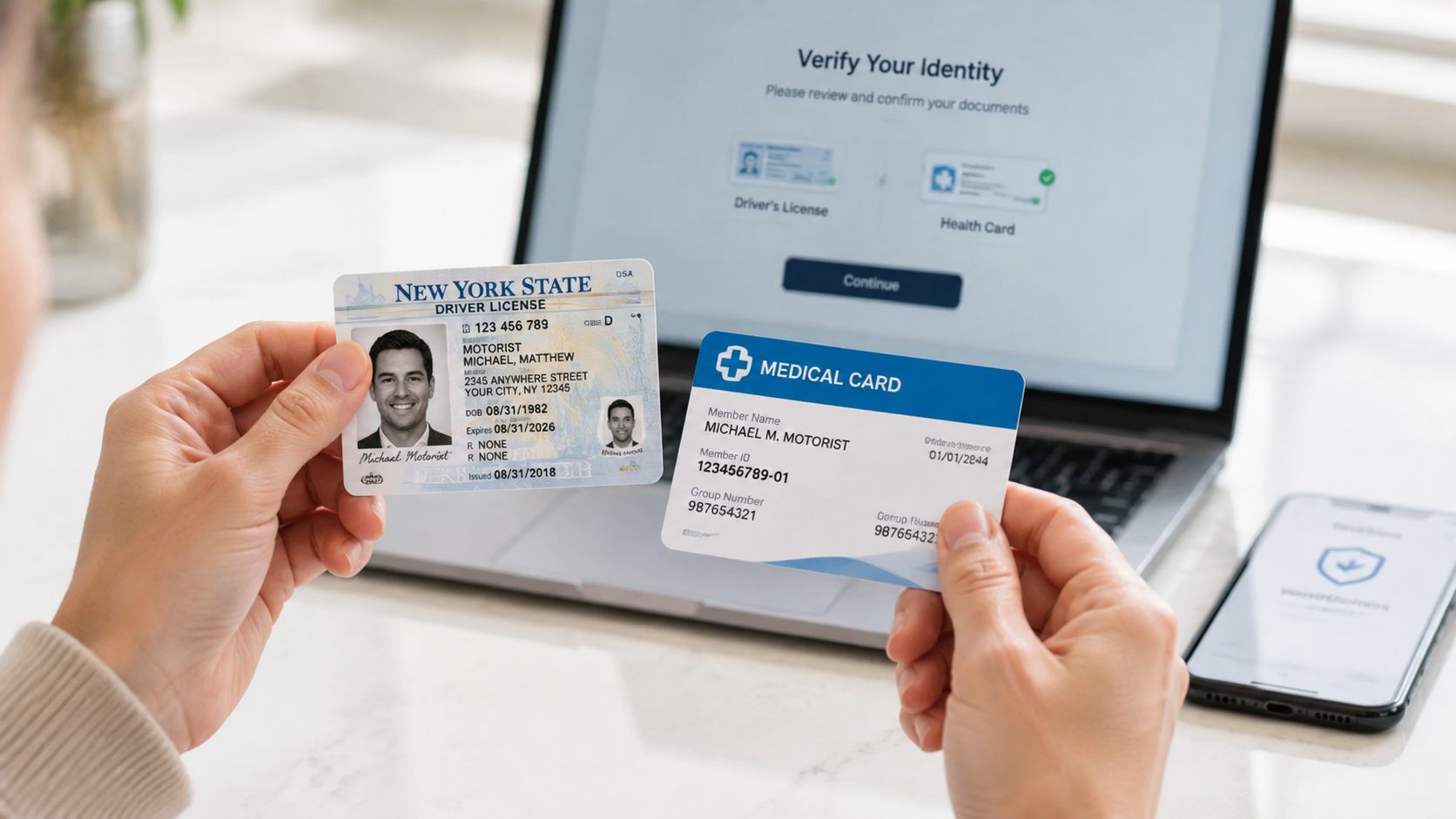
Once you're verified, treat the live menu like a working tool, not a scrolling habit. Open the product card, check the potency numbers, read the terpene notes, and look for the batch date if it's listed. Those details tell you more than a flashy strain name ever will.
Read the launch entry like a buyer, not a fan
A launch entry should answer a few basic questions fast. What is it, what format is it in, and how does it compare to the products you already know? If the listing gives you terpene info, use it as a clue for aroma and effect profile, not as a promise.
Use Wishlist or favorite features before the drop if the platform allows it. That way you're not searching from scratch when the menu updates. The goal is to reduce clicks, because launch items often move while people are still comparing tabs.
If a product card makes you work too hard for the basics, move on. Good launch pages should help you decide, not make you decode them.
For the sign-up and verification flow itself, the age verification process is worth reviewing before your first launch order. A patient who's already verified can spend launch day deciding, not troubleshooting.
What to look for before you click buy
- Potency: Check whether the product is stronger, milder, or just different from what you usually use.
- Format: Flower, cart, edible, tincture, topical, or concentrate all behave differently.
- Batch freshness: Newer isn't automatically better, but batch context matters.
- Personal fit: If the listing doesn't match your tolerance or goals, skip it.
A Patient Dosing Protocol for First-Time Tries
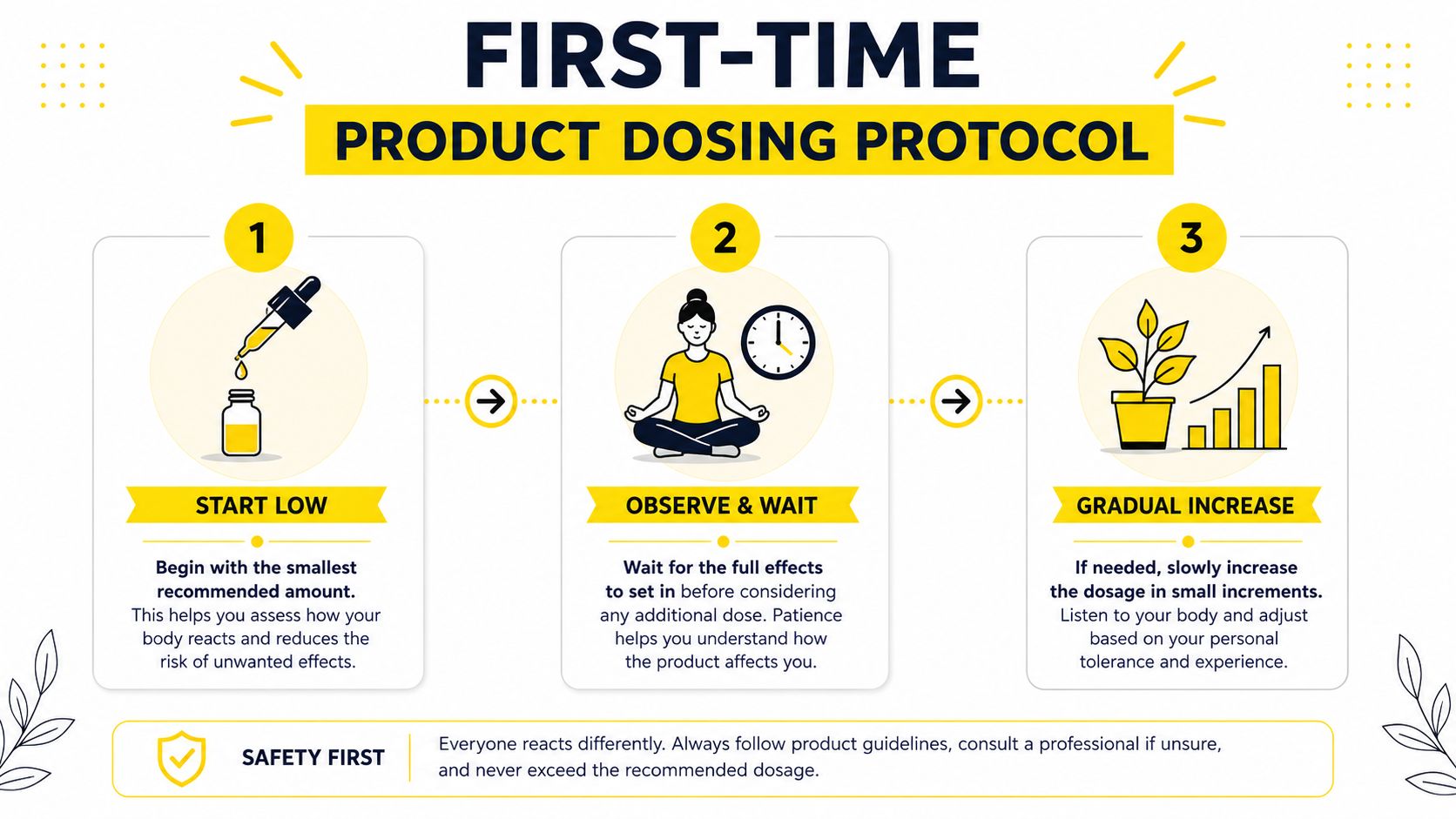
Trying something new on launch day is where people get themselves into trouble. The smart move is to build a layered dosing protocol before you ever open the package. Your first question should be simple, what format am I dealing with, and how long does it usually take to feel anything?
For sublingual tinctures, start with the smallest amount you're comfortable testing, then give it time under the tongue before you judge the result. For edibles, patience matters even more, because the effect window is slower and easier to misread if you get impatient. For flower, the difference between combustion and vapor changes how quickly you feel the product, so don't dose it like it's all the same thing.
Use one baseline, not three guesses
Set a personal baseline before you try the launch item. If you normally know how a certain amount of flower or a familiar edible affects you, compare the new product to that, not to what someone on the internet says is “normal.” That's especially useful when the launch item is a new cart, a new terp profile, or a concentrate that looks familiar but hits differently.
The safest pattern is simple, start low, observe fully, then increase gradually only if the first session didn't give you enough information. If you rush the first try, you won't know whether the product is strong, weak, or just delayed. Logging your experience helps too, even if it's just a note on your phone about timing, mood, and intensity.
Dosing Starting Points by Format
| Format | First-Time Dose | Wait Period | Notes |
|---|---|---|---|
| Edible | Smallest amount you're comfortable testing | Full onset window before re-dosing | Don't stack doses too fast |
| Tincture | Smallest amount under the tongue | Give it time before deciding | Keep the first session simple |
| Flower | One light session | Wait before taking more | Vapor and combustion feel different |
| Concentrate | Very small test dose | Longer pause than usual | Treat it as a stronger category |
| Topical | Small test application | Observe locally before more use | Effect is usually area-specific |
For a first-time patient trying a 5mg edible, the mistake isn't the number, it's re-dosing too soon because nothing feels immediate. For a returning patient sampling a high-terpene cart, the mistake is assuming the hardware and flavor profile behave exactly like the last one. For a steady flower consumer approaching a new concentrate, the right move is to respect the jump in intensity and not treat it like a side-grade.
If a launch product feels too strong, stop there. Hydrate, sit down, and don't mix it with a second unfamiliar product in the same session. For a deeper edible refresher, the edible dosage guide is the right baseline to keep on hand.
Pickup, Curbside, and Sweede Delivery Compared
Launch day changes which fulfillment method makes the most sense. If the item is moving fast, pickup usually gives you the most control because you're closest to the handoff. If you want speed without going inside, curbside is the cleaner play. If convenience matters most, delivery wins, but only if you're not chasing the last item in a hot drop.
The deciding factor is urgency. A patient who wants the product the same day and doesn't want any friction should prioritize pickup. A patient who's already in the car and wants a fast handoff should choose curbside. A patient in DC, Alexandria, Bethesda, Rockville, or Silver Spring who'd rather not travel should use delivery and plan around the window.
Match the method to the moment
Launch orders can move quickly, so timing matters more than preference. If you're shopping a new flower drop before dinner, pickup is the safest bet. If you're at home and don't want to leave the block, delivery can be the right call as long as you place the order early enough.
The curbside pickup near me angle is worth thinking about when you want less contact and less waiting. It's the middle ground between walking inside and relying on a window you can't control.
Fulfillment Options on Launch Day
| Option | Typical Timing | Best For | Coverage |
|---|---|---|---|
| Pickup | Fastest when stock is live | Time-sensitive launches | DC storefront orders |
| Curbside | Fast, with less friction | Patients who want speed without going inside | DC storefront handoff |
| Delivery | Convenient, but depends on route timing | Patients who want home delivery | DC, Alexandria, Bethesda, Rockville, Silver Spring |
My rule is blunt, if the product is the reason you're ordering, don't make convenience the only priority. If the product matters less than the routine, choose the easiest path. That's how you avoid missing a drop because you were over-optimizing the wrong thing.
Launch Etiquette, Compliance, and Real Patient Scenarios
Launch days are busy, so courtesy isn't optional. Bring the ID you need, bring your medical card if it applies to you, and have your payment method ready. DC dispensary transactions commonly accept debit and cash, so don't show up assuming every lane works the same way. Ask questions, but ask them efficiently when the line is moving.
A good patient doesn't waste staff time pretending to be casual. Say what you need, say what you've tried before, and say what you're trying to avoid. If you want help comparing a cart to a flower option, say that directly. If you're not sure whether a new edible fits your tolerance, say that too.
Two launch-day patient stories
A first-time patient walks in on a Saturday afternoon because a new edible just dropped. They've read the menu, know they want something mild, and tell the staff they're trying to avoid overdoing it. The budtender points them to the lowest practical starting point in a format they can handle, and the patient leaves with one product, not three.
A returning patient orders a weekday delivery because they want to swap from flower to a new cartridge without breaking their routine. They already know their tolerance, so the conversation focuses on effect profile, hardware, and delivery timing. That patient isn't guessing, they're adjusting one variable at a time.
Best habit: change only one thing per launch purchase, format, dose, or timing, never all three at once.
The compliance piece matters after the sale too. Don't consume in public, don't treat a new product like something to test casually outside, and store it properly at home. A launch is not an excuse to be sloppy with safety. If you bought something unfamiliar, keep it sealed, label it clearly, and keep it away from anything that could lead to accidental use.
That's especially important for patients trying to figure out how a new product fits their daily life. A launch only helps if you can repeat the result safely the next time.
Practical Tips to Get the Most From Every Drop
The best launch shoppers have a routine. They log in early, know the format they want, and don't let the label do the thinking for them. That's not obsessive, it's efficient.
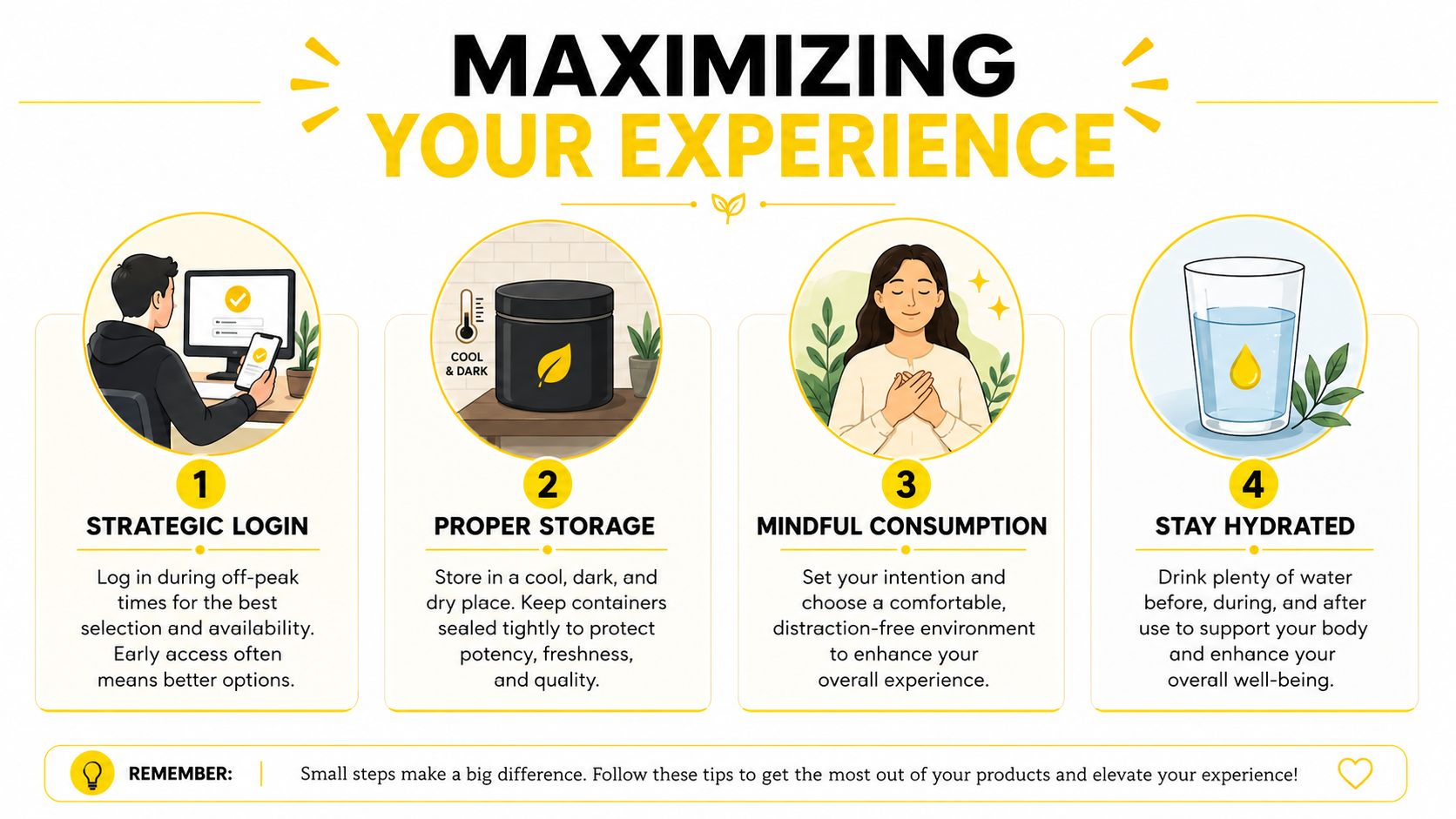
A quick cheat sheet
- Strategic login: Get in before the rush so you can compare options without panic.
- Proper storage: Keep products in a cool, dark, stable place so you don't ruin what you paid for.
- Mindful consumption: Don't stack unfamiliar products in one session.
- Stay hydrated: Water helps you stay comfortable while you're learning a new product.
If you have a regular budtender who knows your preferences, use that relationship. Good staff notice patterns, and they can often flag whether a launch item is a fit for your usual routine before you buy. That kind of early heads-up is better than arguing with a product after you've already paid for it.
One common mistake is buying more than you can sensibly test. Another is forgetting to confirm the payment method before a delivery order goes out. Another is trying two new products at once and then acting surprised when you can't tell which one did what. If you want a simple reference point for sublingual use, the CBD tincture under the tongue write-up is a useful check before you experiment.
Your Five-Rule Launch Checklist Before You Buy
Keep it simple. Verify before the drop, read the menu entry, start low, choose the right fulfillment method, and stay compliant. That five-part checklist is enough to turn most launch-day mistakes into routine, confident purchases.
The best new product launches don't reward the loudest buyer, they reward the patient one. If you treat each drop like a controlled first try, you'll spend less time guessing and more time finding what actually works for you.
If you want a launch-day experience that feels calm instead of rushed, visit Mr. Nice Guys DC and use the live menu, pickup, curbside, or delivery options to shop on your terms. Their team helps patients sort through new drops with practical guidance, so you can walk in knowing what fits your tolerance, your timing, and your needs.
Mr Nice Guys DC
At Mr. Nice Guys DC, we’re more than just a cannabis delivery service — we’re passionate advocates for quality, convenience, and community. With years of experience in the cannabis industry, our team is dedicated to educating and empowering customers across Washington, D.C. Whether you're a seasoned user or just starting your cannabis journey, our blog delivers trusted tips, product insights, and the latest updates from the world of weed. Stay informed, stay elevated.
