
Must Be 21 To Enter
By entering this site you are agreeing that you are at least 21 Years of Age or older.
I AM 21 OR OLDERHow to Get High D C: Your 2026 Cannabis Guide
.svg)

.png)
You're in D.C., you've heard cannabis is “legal,” and then five minutes later someone tells you it's not that simple. One friend says you can order delivery. Another says only medical patients can shop normally. A tourist blog mentions gifting. A neighbor warns you not to light up near the wrong building. It's a lot.
That confusion is normal. Washington, D.C. has a cannabis setup that feels easy once someone walks you through it in plain English, but it can seem tangled when you're new, visiting, or trying to avoid a bad first experience with a high-potency edible or vape.
This guide is for the person who wants clarity, not hype. Maybe you're curious about getting high in D.C. for the first time. Maybe you're a patient trying to choose between flower, carts, and edibles. Maybe you just want to know what's allowed, what isn't, and how to avoid taking too much.
Your Guide to Cannabis in Washington DC
A lot of first-time customers come in with the same look on their face. They've got questions, they're trying to stay compliant, and they don't want to end the night wondering why a single gummy hit harder than expected.
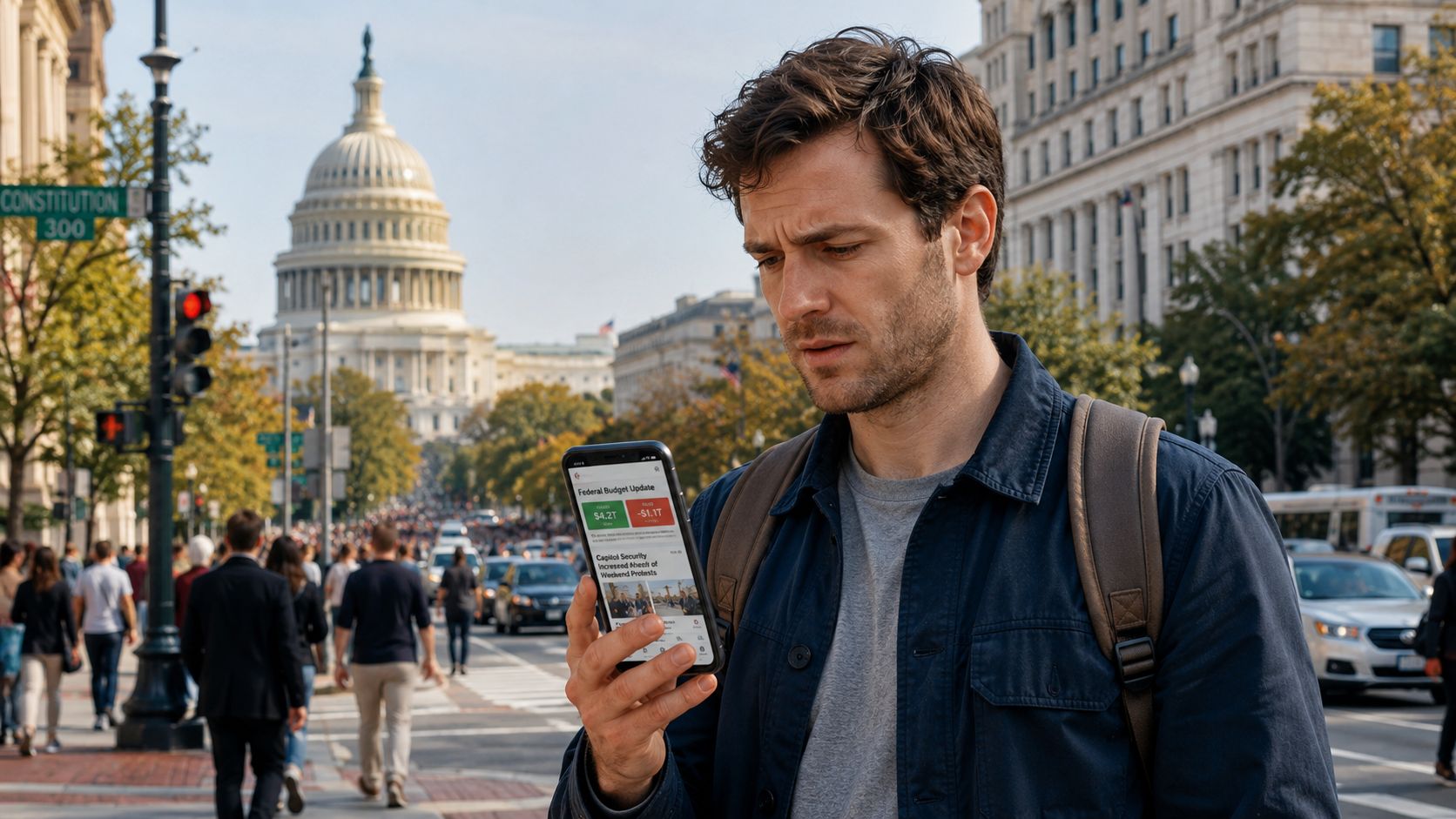
That caution makes sense in D.C. The city's day-to-day environment is dense, busy, and unusual because local life overlaps with tourism, federal property, and neighborhood-by-neighborhood differences. Public safety trends have also shifted sharply. The White House said Washington, D.C. had a homicide rate of 27.3 per 100,000 residents in 2024, the fourth-highest homicide rate in the United States, and nearly six times higher than New York City's rate. The same release said carjackings increased 547% between 2018 and 2023, and that 2024 had triple the number of carjackings compared with 2018 in the District, according to the White House fact sheet on D.C. crime trends.
That doesn't mean you should be alarmed every time you shop. It does mean discretion, planning, and knowing the rules matter. If you're comparing neighborhoods or trying to find a comfortable starting point, it also helps to browse a grounded local roundup like this guide to dispensaries in Washington.
The easiest first trip is the one you plan before you're standing on a sidewalk trying to decode D.C. law on your phone.
What new customers usually want to know
Most beginners aren't looking for the strongest thing on the menu. They want answers to questions like these:
- What's legal: Where can you possess cannabis, and where can't you use it?
- What should I start with: A pre-roll, a vape, or a low-dose edible?
- How do I avoid overdoing it: Especially with products that can feel delayed.
- What kind of shopping experience fits me: Medical route, gifting route, pickup, or delivery.
Those are the questions that matter when people talk about “high D.C.” in real life. Not just how to buy something, but how to make the experience feel calm, predictable, and safe.
Understanding DCs Unique Cannabis Laws
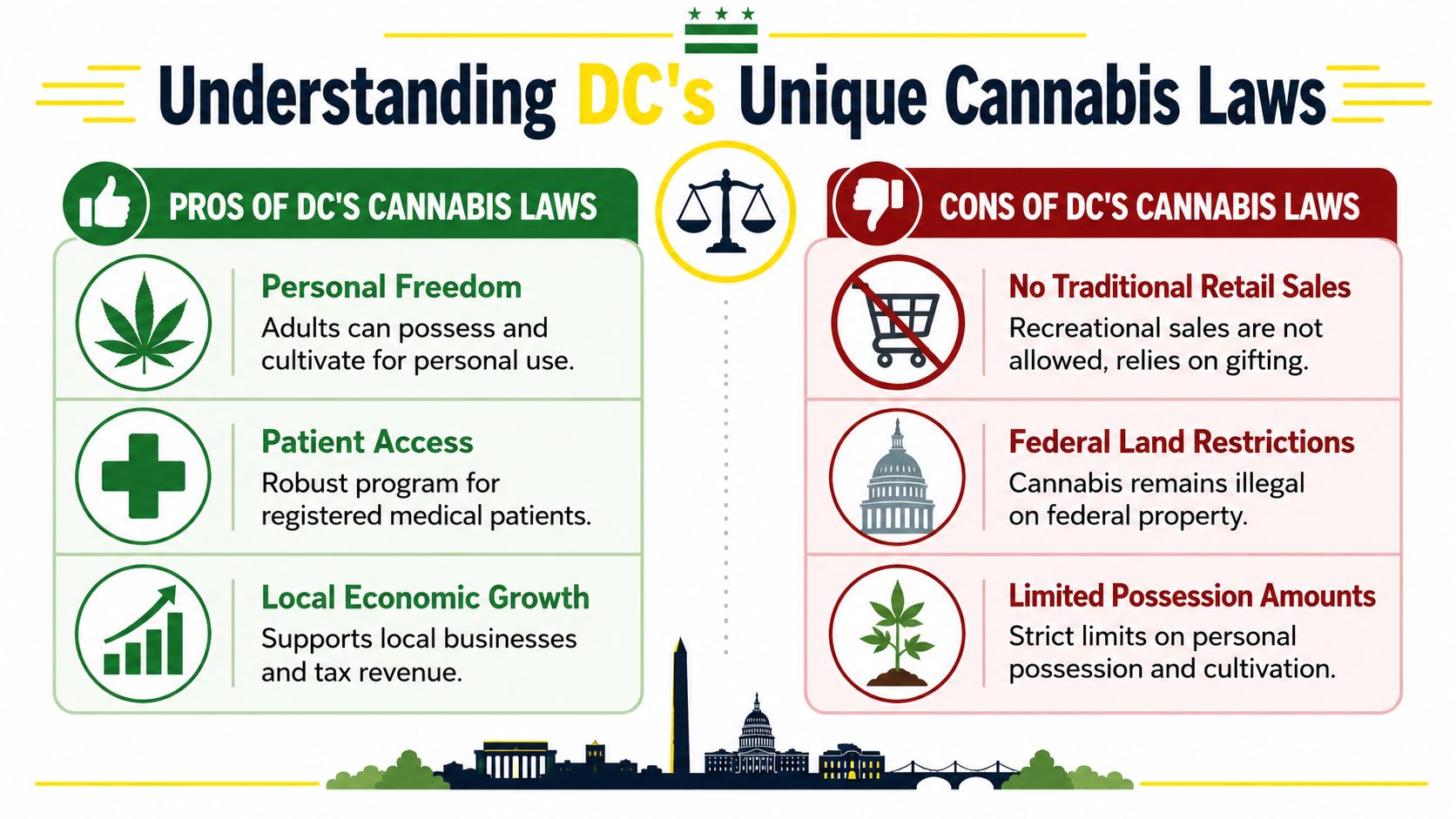
D.C. cannabis law gets confusing because people use the word “legal” loosely. What is legal depends on your age, where you are, how you obtained the product, and whether you're using the medical system or the Initiative 71 framework.
What Initiative 71 means in practice
If you're 21 or older, D.C. allows personal possession and home cultivation within local rules. People often summarize this as “weed is legal in D.C.,” but that shortcut causes the confusion.
A better way to think about it is this. D.C. allows personal adult use in limited ways, but it doesn't work like walking into a regular recreational store in every other market. The “gifting” concept exists because traditional recreational retail sales aren't the standard model people expect.
A simple analogy helps. Consider it buying an item or service where a cannabis product is included as a gift under the local framework people talk about. That doesn't mean every operation using that language is equally careful or equally compliant. If you want a fuller breakdown of how that system works, this plain-language overview of Initiative 71 in Washington, D.C. is useful.
The rules that trip people up
People usually get tangled on location, not possession.
Here are the practical points to keep in mind:
- Age matters: If you're under 21, adult-use possession rules don't apply to you.
- Private space matters: Even where possession is allowed, consumption is not a free-for-all.
- Federal property is a hard stop: D.C. has a lot of it. Parks, buildings, and surrounding areas can look local while operating under federal rules.
- Driving is not the place: Keep cannabis sealed and don't consume in a vehicle.
Practical rule: If you wouldn't feel comfortable explaining the situation to a cautious, no-nonsense adult standing next to you, pause before you use cannabis there.
Why local context matters
D.C. is a city where policy, housing, and neighborhood access often collide. The District also changed demographically during and after the pandemic. The D.C. Chief Financial Officer reported a loss of 38,997 residents, equal to 5.5% of the population, during the pandemic-era decline. The same analysis said the city has 11% more women than men, and that both the initial drop and the recovery from 2022 to 2024 were driven mainly by net migration of female residents, according to the D.C. CFO demographic analysis.
That matters because cannabis access isn't just a legal question. It's also a neighborhood question. People shopping in high-rent parts of D.C. don't all have the same transportation options, privacy, or easy access to compliant services. For a new customer, the simplest move is still the best one. Know your setting, know your route, and don't assume every block in D.C. plays by the same practical rules.
How to Legally Obtain Cannabis in DC
Once you understand the legal backdrop, getting cannabis in D.C. feels much more manageable. Most adults are deciding between two paths. Use the medical program, or use an Initiative 71 style gifting service that follows local practice.
The medical route
For many people, the medical path is the cleaner, more straightforward option. You register, follow the local process, and shop through a medical dispensary system.
This tends to appeal to people who want structure. If you use cannabis for sleep support, discomfort, stress, or appetite concerns, the medical framework can feel more consistent because it's designed around patient access and compliance.
A simple first-visit checklist looks like this:
- Bring your ID: Make sure it's current and valid.
- Check registration requirements: Confirm what the dispensary or program needs before you go.
- Review the menu ahead of time: That helps you compare formats before you're standing at the counter.
- Ask dosing questions first: Don't wait until checkout to mention you're new to THC.
The gifting route
The gifting path is where many visitors and newer adult consumers get curious. The key is to deal only with operations that explain the process clearly and don't act shady when you ask basic compliance questions.
A normal experience should feel organized, not rushed. You should be able to review products, understand what you're selecting, and know whether you're arranging pickup, curbside, or delivery. If the process feels vague, that's your cue to slow down.
For a practical walkthrough of that model, this guide to EZ gifting in D.C. helps explain what the flow usually looks like.
What ordering usually looks like
A lot of beginners assume ordering cannabis in D.C. is complicated. Usually, it's more like ordering from any modern retail menu, just with more care around age verification and local compliance.
A common flow looks like this:
- Browse by format: Flower, pre-rolls, vape carts, edibles, tinctures, or concentrates.
- Read the product description: Focus on type and intended experience, not just catchy strain names.
- Choose fulfillment: Pickup, curbside, or delivery depending on the service.
- Confirm identification: Have your ID ready when required.
- Keep your plan simple: Especially if this is your first high D.C. purchase.
If you're a new customer, don't stack products on the same day. For example, don't order a vape cart, a potent edible, and a pre-roll with the idea that you'll “sample everything.” Pick one format and learn how your body responds.
Here's a helpful visual if you want to see a typical online-ordering and menu flow before you try it yourself.
A practical first-order example
Say you're staying with friends in Northwest and want a quiet evening, not a story about how you got too high. The lower-risk move is a single product category and a clear plan.
Good examples:
- One pre-roll for a shared evening: Easier to pace with another person.
- One edible pack with clearly marked servings: Better if you want discretion and a stay-at-home setting.
- One vape cartridge only if you're comfortable inhaling: Effects come on faster, so it's easier to stop early.
What you're really buying on your first run isn't just cannabis. It's information about how cannabis affects you.
Choosing Your First Cannabis Product
Product choice matters more than strain hype when you're new. The smartest first purchase is usually based on how fast it hits, how long it lasts, and how easy it is to control.
Some people want the classic feel of flower. Others want a discreet vape. Many first-timers get drawn to edibles because they seem simple, but edibles are also where beginners misread timing most often.
Start with the experience you want
If you want a social, familiar-feeling session, flower or a pre-roll often makes sense. You take a puff, wait, talk, and decide whether you want more. The feedback is quick.
If you want something lower-odor and compact, a vape may fit better. The tradeoff is that cartridges can feel deceptively easy to use. A beginner can take several pulls before realizing the product is stronger than expected.
Edibles are different. They're discreet, convenient, and long-lasting, which sounds great right up until someone takes more because “it's not working yet.”
Slow onset doesn't mean weak. It usually means you need patience.
Cannabis Product Comparison for New Users
| Product Type | Onset Time | Duration | Best For |
|---|---|---|---|
| Flower | Fast | Moderate | People who want a classic experience and easy pacing |
| Pre-roll | Fast | Moderate | Beginners who want convenience without needing gear |
| Vape | Fast | Moderate | Discreet use and small, controlled inhalations |
| Edible | Slower | Longer | Staying in for the night and avoiding smoke |
| Tincture | Moderate | Moderate to longer | People who want measured servings and flexibility |
How to think about flower, vapes, and edibles
Flower and pre-rolls
Flower gives you the most familiar ritual. Grind it, pack it, or choose a pre-roll and keep things simple. If you're sharing with a friend, this is often the easiest way to avoid overdoing it because the pace naturally slows down between hits.
Beginner-friendly names you'll often hear include Blue Dream and OG Kush. What matters more than the name, though, is the effect profile described on the menu and how much you consume.
Vapes
Vapes are convenient and low-fuss. One small puff can be enough for a new customer. The common mistake is taking repeated puffs because the first one felt smooth.
If you choose a cartridge, treat it like a concentrated format. It's easy to underestimate because there's no big cloud or strong smell telling you to stop.
Edibles
Edibles are ideal when you want discretion and a longer evening. They're not ideal if you're impatient or heading into a busy social event where you'll feel pressure to “catch up” with everyone else.
For many beginners, a low-dose edible at home is a better first edible experience than a party edible. Sit down, eat something light beforehand, keep water nearby, and don't layer it with alcohol.
If you want a more detailed side-by-side on these formats, this comparison of edibles vs vapes vs flower is a useful next read.
A few simple buyer profiles
- You want the easiest pacing: Choose a pre-roll.
- You want discreet and quick effects: Choose a vape, but keep your first session very light.
- You want long-lasting effects at home: Choose an edible and build your night around waiting.
- You want maximum control over ritual: Choose flower over a stronger-feeling concentrated format.
If you're chasing “high D.C.” as an experience, not just a keyword, the answer is this. The best product is the one you can control.
Dosing and Safety for a Positive Experience
Most bad first nights begin. Not because the product was “bad,” but because the person used too much too quickly.
The rule that saves beginners
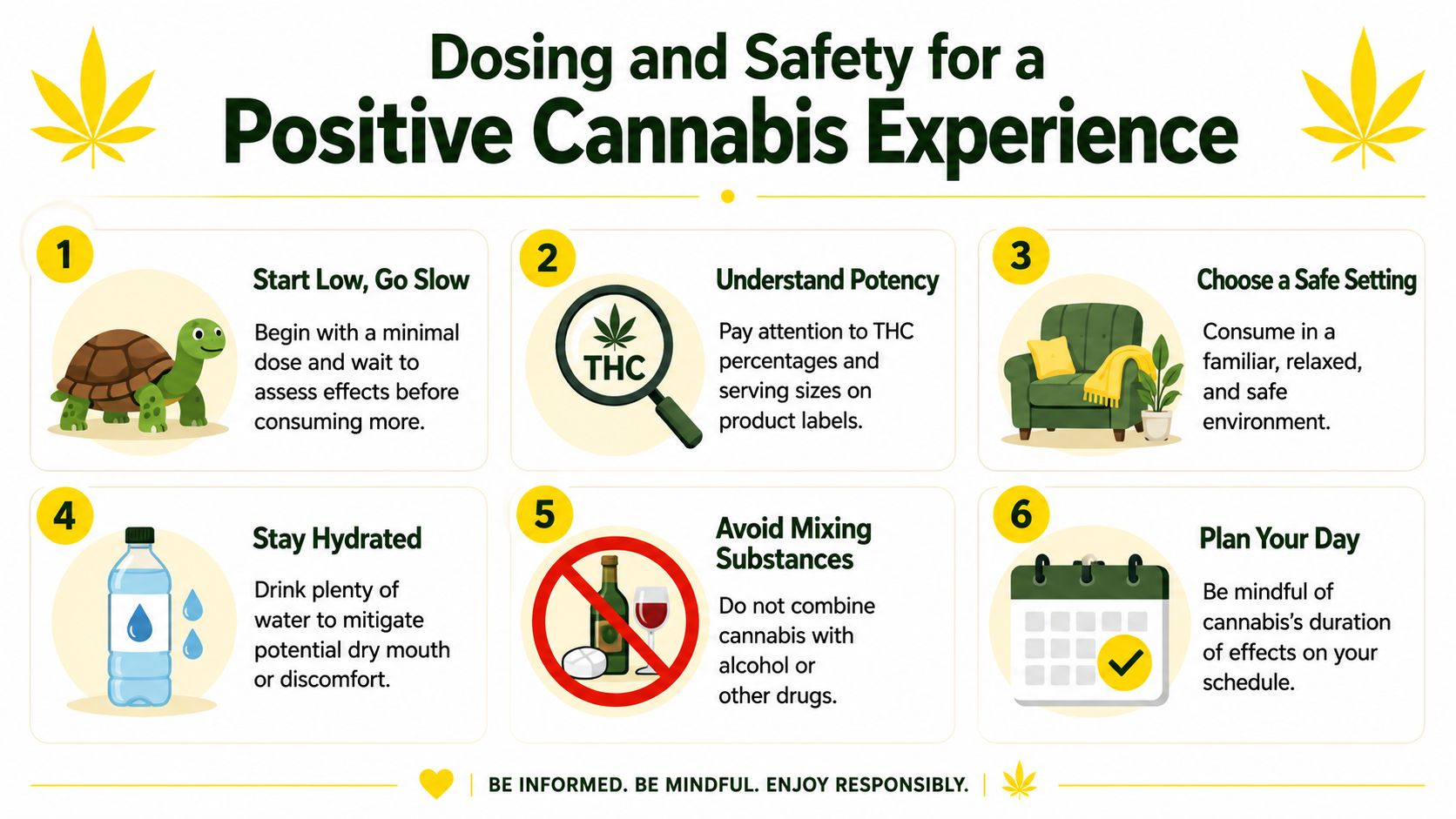
Use start low, go slow as your default every single time you try a new format.
For edibles, a cautious beginner starting point is 2.5 mg to 5 mg of THC, then wait at least two full hours before deciding whether to take more.
For vaping, take one small puff and wait 15 minutes.
Those numbers matter because the product experience can change a lot based on your body, whether you ate beforehand, and how comfortable you are with THC. A person who feels almost nothing from one format can still feel overwhelmed by another.
Why potency is confusing in D.C.
There's a real information gap here. Existing D.C. market content often focuses on strain popularity instead of hard safety questions. Concerns about inconsistent potency labeling in high-THC products have grown, and that can contribute to adverse experiences. At the same time, there's no recent independent study quantifying potency variance in D.C.’s high-end market, which leaves new patients and first-time consumers with fewer evidence-based answers, as discussed in this background discussion on D.C. potency safety gaps.
That means caution isn't just good advice. It's the practical answer to uncertainty.
Keep this in mind: If a label is accurate, starting low protects you. If a label is less consistent than you hoped, starting low protects you even more.
Common mistakes that are easy to avoid
- Taking more too soon: This is the classic edible mistake.
- Mixing alcohol and cannabis: That can make the experience feel less predictable.
- Trying multiple formats at once: One gummy plus a cart plus a pre-roll is not a beginner plan.
- Using cannabis in an uncomfortable setting: If you already feel on edge, THC can magnify that feeling.
What to do if you feel too high
Most unpleasant cannabis experiences improve with time, calm, and less stimulation.
Try this:
- Stop consuming more.
- Sit somewhere quiet and familiar.
- Drink water.
- Have a snack if that feels good.
- Put on something calming and let time pass.
Remind yourself that the feeling will wear off. New consumers sometimes panic because the effects feel stronger than expected, especially with an edible. That doesn't mean something dangerous is happening. It usually means the dose was too high for your comfort level.
Why Choose Mr Nice Guys for Your DC Cannabis Needs
For a new customer, the value of a dispensary isn't just the menu. It's whether the menu is understandable, whether the staff can explain product formats without talking over you, and whether ordering feels clear from start to finish.
That matters even more in D.C., where access isn't equally easy in every neighborhood. There's also an underserved question around whether high-rent parts of the city line up with gaps in medical cannabis access for low-income residents, especially when existing discussion often focuses more broadly on healthcare or gentrification than on certified dispensary access and delivery coverage.
What a helpful shop actually does
A useful cannabis retailer should help you narrow decisions, not flood you with jargon. That means explaining the difference between flower and carts in plain language, flagging products that may be too much for a first timer, and making sure you understand onset and duration before you leave.
Mr. Nice Guys DC is one option that offers medical cannabis ordering in Washington, D.C. with a menu that includes flower, edibles, cartridges and pens, pre-rolls, concentrates, topicals, and tinctures. You can browse more about those categories in this guide to available cannabis products at Mr. Nice Guys DC.
Why delivery and curation matter
A curated menu helps because beginners often need fewer choices, not more. If you can quickly identify a low-dose edible, a straightforward pre-roll, or a cartridge meant for measured use, you're less likely to make a rushed decision based only on branding.
Delivery matters for a different reason. In a city where transportation, neighborhood cost, privacy, and convenience vary a lot, discreet ordering can make access simpler for people who don't want to travel across town or stand around figuring things out in public.
A good cannabis experience starts before the first dose. It starts with a menu you can read and a process you can trust.
Frequently Asked Questions About DC Cannabis
Can I travel out of D.C. with cannabis I got there
No. Don't carry cannabis across jurisdiction lines. Even if your starting point felt straightforward, crossing into another area creates legal risk fast.
What's the difference between a medical dispensary and an I-71 shop
A medical dispensary operates within the medical cannabis framework for registered patients and related access rules. An I-71 shop refers to the adult-use gifting model people commonly discuss in D.C. The customer experience can feel similar on the surface, but the legal structure is different.
Can I use cannabis anywhere in D.C.
No. Private, lawful settings are the safer assumption. Federal property is especially important to avoid, and D.C. has a lot of it.
Should my first product be an edible
Not always. If you're patient, staying home, and willing to wait before taking more, an edible can work. If you want faster feedback and easier pacing, a pre-roll or a very light vape session is often easier to manage.
What if I'm nervous about trying a high-potency product
That's a good instinct. Start with the smallest practical amount. Don't mix formats. Don't combine with alcohol. Give yourself a calm setting and nowhere urgent to be.
Are debit cards accepted
Some D.C. dispensary services accept debit and cash, but policies can vary by operator and ordering method. Check payment options before you place the order so pickup or delivery goes smoothly.
What's the smartest way to try cannabis for the first time in D.C.
Keep it simple. One product. One setting. One light dose. No extra substances. No pressure to “feel it” immediately.
If you want a smoother first cannabis experience in D.C., start with a clear menu, ask direct dosing questions, and choose a format you can control. You can explore current options, ordering details, and educational resources through Mr. Nice Guys DC.
Mr Nice Guys DC
At Mr. Nice Guys DC, we’re more than just a cannabis delivery service — we’re passionate advocates for quality, convenience, and community. With years of experience in the cannabis industry, our team is dedicated to educating and empowering customers across Washington, D.C. Whether you're a seasoned user or just starting your cannabis journey, our blog delivers trusted tips, product insights, and the latest updates from the world of weed. Stay informed, stay elevated.
