
Must Be 21 To Enter
By entering this site you are agreeing that you are at least 21 Years of Age or older.
I AM 21 OR OLDERHerbal alternatives dc: 2026 Guide to Natural Wellness
.svg)

.png)
If you’re curious about wellness here in the District, you’ve probably heard about herbal alternatives dc. These are plant-based options, ranging from a simple cup of chamomile tea to unwind, all the way to targeted CBD oils for stress. They offer a non-intoxicating way to support your daily well-being. For example, a student at Georgetown might use a CBD tincture to calm pre-exam jitters, while a government employee might sip ginger tea to soothe an upset stomach after a stressful day.
Your Guide to Natural Wellness in Washington DC
Diving into natural wellness can feel a little overwhelming. You hear about CBD, ashwagandha, and medical cannabis, but it’s tough to know which path is right for you. Think of this guide as your personal map to the world of herbal remedies available right here in DC.
It helps to think of your wellness routine like building a toolkit. For a really tough job, you might need a powerful, specialized tool—that’s often where medical cannabis comes in. For example, a veteran with chronic pain might use a specific cannabis strain for targeted relief. But for daily maintenance and keeping things balanced, you need those versatile, everyday helpers, like a calming herbal tea or a stress-busting adaptogen. For instance, a yoga instructor might use ashwagandha to stay centered throughout a busy week of classes.
Understanding the Growing Appeal of Herbal Options
This shift toward plant-based wellness isn't just a local trend; it's happening everywhere. More and more people are looking for alternatives to synthetic options, seeking out remedies that feel more in tune with their bodies and have fewer side effects. A practical example is someone switching from over-the-counter sleep aids, which can cause morning grogginess, to a nightly cup of valerian root tea for more natural rest.
The numbers don't lie. The global herbal medicine market hit a massive USD 251.24 billion in 2024 and is expected to soar to USD 515.92 billion by 2034. That growth is all about people wanting to take a more holistic approach to their health, tapping into nature's own pharmacy.
This guide is here to clear up the confusion and show you where each of these options fits. We’ll cover:
- What herbal alternatives are: From cannabinoids like CBD to classic botanicals like ginger.
- Why people use them: For just about everything, from getting better sleep to easing anxiety.
- How they compare: To each other and, of course, to medical cannabis.
The goal here is empowerment. When you understand your options, you're no longer just guessing. You become an active part of your own wellness journey, making smart choices that actually match your goals.
Your Partner in Plant-Based Wellness
Navigating this world is a lot easier with a trusted guide. While a lot of dispensaries in Washington, DC focus only on cannabis, we see the bigger picture. At Mr. Nice Guys DC, we serve as an educational hub for the entire spectrum of plant-based wellness.
Our team is here to help you understand all the tools you have available, from powerful medical options to supportive herbal allies. For instance, if you come in asking about something for sleep, we can discuss the differences between a CBD gummy, a calming herbal blend, and an indica-dominant cannabis strain, helping you choose based on your specific needs and legal access.
We want to make your wellness journey feel clear and straightforward from day one. We believe that making informed choices is the key to finding what really works, whether you’re a long-time medical cannabis patient or just starting to explore natural remedies. Our mission is to give you the clarity—and the quality products—you need to build a routine that’s perfect for you.
Understanding the Different Types of Herbal Alternatives
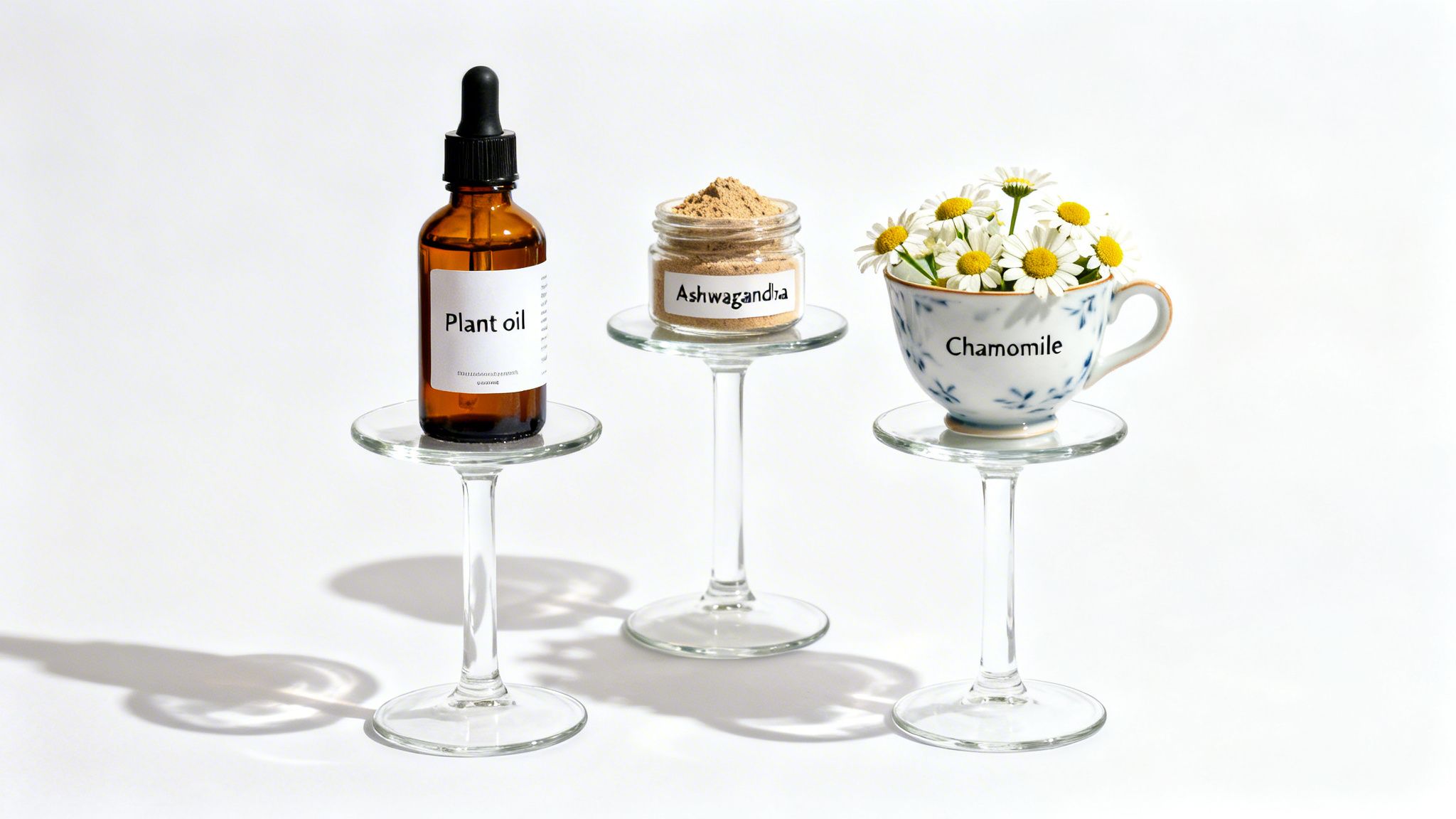
To make choices you feel good about, it helps to break down the most popular herbal options you’ll find in DC. The world of plant-based wellness is massive, but getting a handle on the main categories makes the journey a whole lot clearer. Let’s build your knowledge from the ground up.
First on the list are cannabinoids, which are the active compounds in the cannabis plant. While most people immediately think of THC, there are actually over 100 others, with CBD and CBG being two of the most popular.
Unlike THC, these compounds are non-intoxicating—meaning they won't get you “high.” Instead, they work with your body’s endocannabinoid system to help restore balance, making them a go-to for managing everyday stress, aches, and sleepless nights. For a deeper look, you can learn more about the differences between CBD and THC in our detailed article.
Cannabinoids Beyond THC
CBD (cannabidiol) and CBG (cannabigerol) are two key herbal alternatives DC residents often look for. They come in plenty of different forms, so it's easy to fit them into your daily routine.
- Tinctures and Oils: These are liquids you can drop under your tongue for quick absorption. A perfect example is using a CBD tincture 30 minutes before a big meeting to help you feel more centered and focused.
- Topicals: Think creams and salves loaded with cannabinoids that you apply right onto your skin. This is great for localized relief, like rubbing a CBG-infused balm on sore muscles after a workout at Rock Creek Park.
- Edibles: Gummies, chocolates, and capsules offer a straightforward, pre-dosed way to take CBD or CBG. Someone struggling to wind down at night might pop a CBD gummy an hour before hitting the sheets.
This kind of versatility lets you pick the best method for what you need, whether it's quick, all-over support or targeted, topical relief.
Adaptogens: Your Body's Thermostat
Next up, let's talk about adaptogens. A great way to think of these herbs is as your body's personal thermostat. When you're stressed, your internal systems can go a little haywire. Adaptogens help your body "adapt" to whatever is throwing it off and find its natural balance again.
Instead of forcing your body in one direction like caffeine or a sedative might, adaptogens work smartly to regulate your stress response. They can help calm you down when you feel anxious or give you a gentle energy lift when you’re drained.
One of the heavy hitters in this category is Ashwagandha. Studies show it can help lower cortisol, your body’s main stress hormone. Taking an ashwagandha capsule daily to better handle chronic work stress is a great real-world example. Another popular one is Rhodiola Rosea, often used by athletes or busy professionals to fight off mental and physical fatigue without the jitters you get from coffee. For instance, a marathon runner in training might use rhodiola to improve endurance and recovery.
Traditional Botanicals and Herbal Teas
Finally, there are the traditional botanicals and herbal teas, which have been used for centuries in just about every culture you can think of. These are some of the most accessible herbal alternatives DC locals can find—many are probably in your kitchen right now. Their effects tend to be gentler, making them ideal for daily wellness.
This category is huge, but it includes a lot of familiar names.
- Valerian Root: Sometimes called "nature's Valium," this botanical is widely used to promote relaxation and help with sleep. A common use is drinking tea with valerian root to quiet a racing mind before bed.
- Chamomile: This classic herbal tea is famous for its calming vibes. So many people sip a warm cup of chamomile to soothe an upset stomach or just to unwind after a long day in the city.
- Ginger and Turmeric: These botanicals are powerhouses known for their anti-inflammatory properties. Adding some fresh ginger to a smoothie or taking a turmeric supplement is a practical way to support your joint health, especially for someone who is on their feet all day.
By understanding these different groups—cannabinoids, adaptogens, and traditional botanicals—you can start to see how different plants offer different kinds of support. From here, you can figure out which ones might be the right fit for your own wellness goals.
Comparing Medical Cannabis and Other Herbal Options
When you’re exploring natural wellness, it's easy to get tangled up trying to decide between medical cannabis and all the other plant-based options out there. It’s not really a question of which is “better.” It’s about figuring out the right tool for the job you need done.
Think of it like this: if you’re heading out on a cross-country road trip, you’ll probably want an SUV with some power. But for a quick ride around the neighborhood? A simple bike is all you need. Medical cannabis and other herbal remedies work the same way—they each have a different purpose on your wellness journey.
This conversation is more relevant than ever. The global market for herbal medicine hit a massive USD 169.1 billion in 2023 and is on track to jump to USD 279.8 billion by 2028. Cannabis itself is a huge piece of that pie, expected to be worth USD 45.6 billion by 2025. You can dig into more data on the global herbal medicine market to see just how much these paths are growing, both together and on their own.
Key Differences in Effect and Use
The biggest difference boils down to intensity and purpose. Medical cannabis, especially products rich in THC, is known for its strong and often immediate effects. That’s what makes it such a powerful tool for people managing serious health issues under a doctor’s care, or for adults 21+ looking for specific wellness or recreational outcomes.
On the other hand, the herbal alternatives DC residents often turn to, like adaptogens or botanicals, tend to work more subtly. Their benefits build up over time, helping your body find and maintain its balance rather than delivering a single, knockout punch.
Here’s how that plays out in real life:
- Acute Pain: Someone hit with a sudden, severe migraine might find that the fast-acting relief from a specific medical cannabis strain, sourced from a compliant spot like Mr. Nice Guys DC, is exactly what they need.
- Daily Stress: If you're dealing with the constant, low-level buzz of a demanding job, adding ashwagandha to your morning routine can help your body better manage stress all day long.
- Digestive Upset: After a big meal, a simple cup of peppermint tea is often the perfect, gentle fix for indigestion. Using medical cannabis here would be like bringing a cannon to a knife fight.
The whole idea is to match the tool to the task. You wouldn't use a sledgehammer to hang a picture, and you wouldn't count on a gentle herbal tea to handle severe, chronic pain.
A Clear Comparison for DC Residents
To lay it all out, here’s a quick table breaking down the key differences between medical cannabis and other popular herbal options you’ll find in the District.
Comparison of Medical Cannabis and Other Herbal Alternatives in DC
This table breaks down the key differences between regulated medical cannabis and other common herbal alternatives available in Washington, DC.
As you can see, while they all fall under the "plant-based wellness" umbrella, they live in very different worlds when it comes to effects, use, and the laws here in DC. Knowing this difference is what lets you build a routine that’s actually safe and effective for what you need.
Staying Safe and Legal in the DC Scene
Knowing the lay of the land is everything when you're looking for herbal alternatives DC residents can actually trust. While things like botanicals and adaptogens are kind of the wild west, the rules for cannabis and CBD are way more specific. Figuring them out keeps you safe and on the right side of the law.
In Washington, DC, it all comes down to two different systems. You've got the official medical cannabis program, where registered patients can buy lab-tested products from licensed dispensaries. Then you have Initiative 71 (I-71), which lets adults 21 and over have, grow, and "gift" small amounts of cannabis without any money changing hands for the weed itself.
That gifting model is how many shops, including Mr. Nice Guys DC, operate. It's a key distinction to get: you’re not buying the cannabis. You’re buying another cool item, and the cannabis comes along as a complimentary gift. For example, you might purchase a t-shirt or a piece of art and receive a cannabis product as a thank you gift. You can get the full rundown in our guide on how DC regulates medical cannabis dispensaries.
How to Source Safely in a Tricky Market
The U.S. herbal supplement market is blowing up—it's expected to grow at a 7.2% CAGR from 2025 to 2035 as more people lean into plant-based wellness. While that means more choices for you, it also means you have to be extra sharp about where your products come from, especially in DC's one-of-a-kind market. You can read more about the growth of the herbal supplement market to see just how big this is getting.
Because I-71 "gifting" shops aren't held to the same strict standards as medical dispensaries, a lot of the responsibility for checking quality lands on you. That’s exactly why picking a reputable, compliant spot like Mr. Nice Guys DC is a big deal. We hold ourselves to a much higher standard because we believe in the safety and potency of our gifts.
An unregulated product is a total gamble. It could be hiding pesticides or heavy metals, or the potency on the label could be a complete work of fiction. Think about buying a vape cart from some random source, only to find it’s full of dangerous cutting agents or has barely any of the THC that was promised.
The single best tool you have for checking a product's safety and quality is a Certificate of Analysis, or COA. This third-party lab report is your proof that a product is exactly what it says it is.
How to Read a Certificate of Analysis (COA)
Think of a COA as a report card for your cannabis or CBD product. It might look a little technical at first glance, but you only need to check a few key details to know you're getting the good stuff.
Here’s what to look for:
- Cannabinoid Profile: This is where you see the potency of compounds like THC and CBD. If you buy a gummy that's advertised as 10mg of THC, the COA should confirm that number is accurate.
- Pesticide Testing: A clean report here confirms the product is free from nasty agricultural chemicals.
- Heavy Metals Testing: Cannabis is great at absorbing things from the soil, including metals like lead and mercury. This test is a must for safety.
- Microbial Screening: This part checks for harmful mold, mildew, and bacteria that you definitely don't want anywhere near your lungs.
If a vendor gets cagey or just flat-out refuses to show you a recent COA for their products, that's a massive red flag. Any shop that's proud of its quality will have those lab results ready and waiting. By asking for that transparency, you put the power back in your hands and can navigate the DC market with total confidence.
How to Choose and Use Herbal Products Safely
Alright, so you’re curious about exploring herbal products beyond traditional cannabis. It’s a huge world out there, and knowing where to start can feel like a lot. But finding a safe, effective routine is easier than you think. It's all about building a smart process that puts your wellness first.
Let's walk through it. This isn't about guesswork; it's a clear roadmap. We'll cover how to pinpoint what you need, do your homework, find the right dose, and source from people you can trust. This way, you can build a routine that actually works for you.
What’s Your Goal?
Before you even think about buying anything, take a minute and ask yourself: what am I trying to solve? Your "why" is everything. Vague goals just lead to vague results, so let's get specific.
Are you trying to find help with things like:
- Better Sleep: Is the problem falling asleep, or is it waking up at 3 AM every night?
- Stress Relief: Are you dealing with that low-grade, all-day stress, or is it sharp anxiety before a big meeting?
- Pain Management: Are we talking about a sore back from the gym or that chronic joint stiffness that won't quit?
Knowing exactly what you're aiming for helps you cut through the noise. For example, if your goal is to fall asleep faster, you might look into valerian root. But if you want to stay asleep through the night, a slow-release CBD edible might be a better fit.
Do a Little Homework
Once you’ve got a clear goal, it's time to dig in. Use what you’ve learned so far to research which alternatives line up with your needs. Look into their common uses, any potential side effects, and how they’re usually taken—like in a tea, tincture, or capsule.
This research step is also key for setting realistic expectations. Some herbs, like a cup of chamomile tea, offer gentle, almost immediate effects. Others, especially adaptogens, can take several weeks of consistent use before you really start to feel a shift in your stress levels. For example, someone starting ashwagandha for stress might not notice a big difference in the first week, but by week four, they could feel much more resilient to daily pressures.
The "Start Low, Go Slow" Rule
Okay, you’ve picked a product. Now for the most important rule of thumb: start low and go slow. This is hands-down the safest way to find your sweet spot—that perfect dose that gives you the effect you want without going overboard. This is especially true if you’re trying a new cannabinoid or a potent botanical extract for the first time.
Think of it like adding salt to a soup. You can always add more, but you can’t take it out once it’s in. Starting with a microdose allows you to see how your unique body chemistry reacts without overwhelming your system.
For instance, if you're trying a CBD oil, you might start with just 5mg. Wait a few hours, check in with yourself, and only increase the dose the next day if you feel you need to. It can be super helpful to keep a simple journal to track your dose and how you feel. For example: "Day 1: 5mg CBD. Felt a little calmer, but still anxious. Day 2: 7.5mg CBD. Focus improved, anxiety lessened." If you're curious about different ways to consume products like these, check out our guide on the differences between tinctures and smoking.
This decision tree gives you a quick visual of the legal pathways for using herbal and cannabis products here in the District.
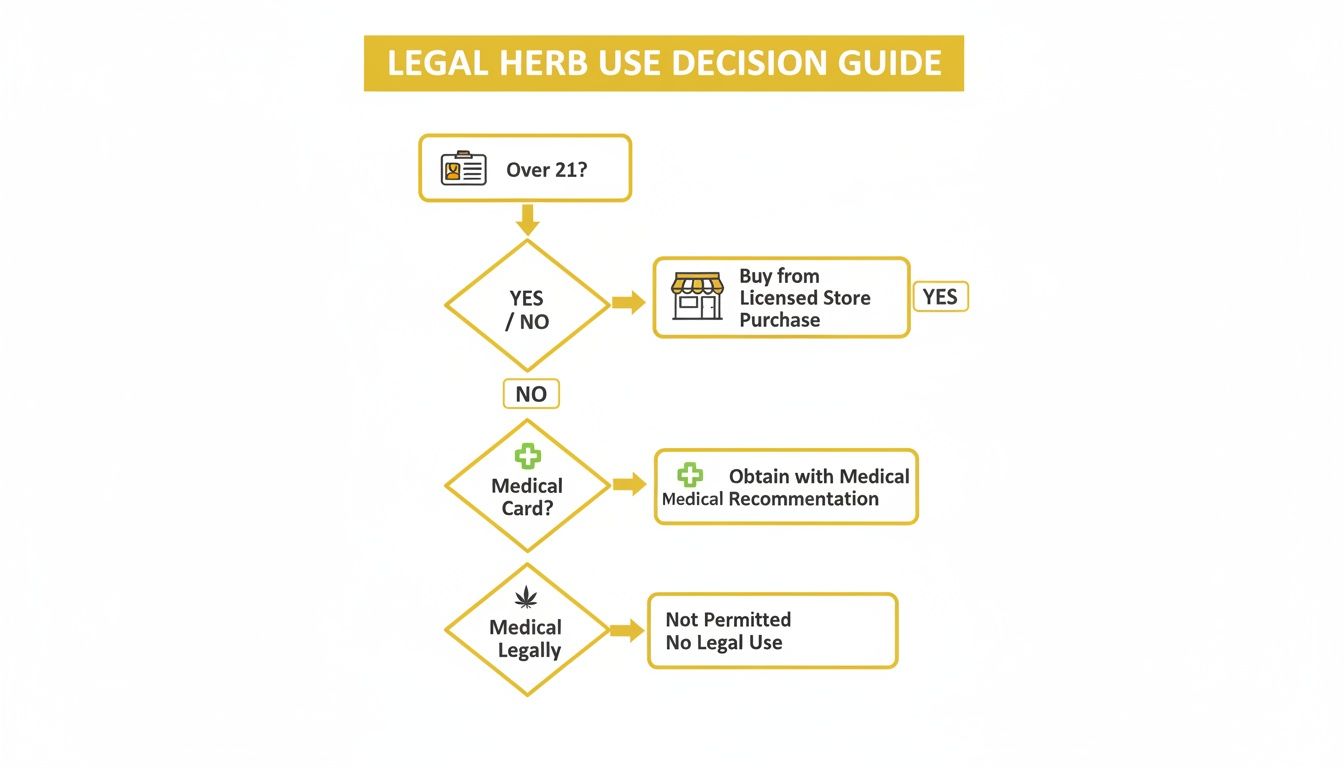
As you can see, the path to legal use for adults in DC starts with verifying your age, which is why sourcing from compliant, trustworthy shops is so important.
Putting It All Together: A Real-World Example
Let's walk through a quick scenario. Imagine someone in DC is dealing with daily anxiety from a high-pressure job.
- Define Goal: They want to feel less anxious during the workday but can't afford to be drowsy.
- Research Options: They learn that chamomile tea is calming, but maybe not quite enough for daytime stress. They also read up on CBD oil and find it’s a popular, non-intoxicating choice for anxiety.
- Start Low, Go Slow: They start by having a cup of chamomile tea in the evenings. It helps a bit, so they decide to try a lab-tested CBD oil from a reputable source, starting with a tiny 5mg dose in the morning.
- Source Responsibly and Re-evaluate: After a few weeks, they find the CBD is helping, but they're curious if something more targeted might work even better. They decide to swing by Mr. Nice Guys DC to chat with an expert about their experience and see if a low-THC medical cannabis product might be a good—and compliant—next step for them.
Following a simple process like this turns you from a passive consumer into someone who is actively in control of their own wellness journey. Every choice you make becomes informed and intentional.
Finding Quality Herbal Products in the DC Area
Alright, you get the "what" and "why" of herbal alternatives. Now for the most important part: the "where." Finding a spot you can trust is everything, especially in DC’s unique market. A good partner makes all the difference, making sure you get quality products and clear, honest advice.
This is where a solid dispensary like Mr. Nice Guys DC fits in. While we’re known for top-shelf cannabis, our core beliefs—education, quality, and strict compliance—are exactly what you should demand from any provider of herbal alternatives DC residents can find.
Why a Knowledgeable Partner Matters
Think of your provider as more than just a shop—they should be your guide. Whether you’re trying CBD for the first time, are curious about low-THC flower, or need to explore medical options, the guidance you get is just as vital as the product itself. An expert team can connect the dots between what you’re looking for and the right product to get you there.
At Mr. Nice Guys DC, that’s what our crew is trained to do. For example, if you tell us you're struggling with workout recovery, we can explain the pros and cons of a topical CBD balm for muscle soreness versus a cannabis edible for full-body relaxation, helping you find the perfect fit. We help you sort through the noise and understand the real differences between our premium flower, edibles, and other plant-based options. It’s about empowering you to make a choice you feel good about, not just taking a shot in the dark.
The goal is to build a relationship on trust. A quality provider will always put your safety and your right to choose first, making sure you feel supported no matter which path you’re on.
The Mr. Nice Guys DC Standard of Quality
We believe getting access to quality wellness products should be simple and safe. That commitment shows up in everything we do and sets the bar for what you should expect from any provider in the District.
Here’s what that looks like:
- Curated Product Selection: Every single thing on our menu, from flower to tinctures, is hand-picked for quality and consistency. We only stock products we’d use ourselves.
- Transparent Practices: No games, no runaround. We operate with total transparency so you know exactly what you’re getting. In DC, that focus on compliance and safety is non-negotiable.
- Convenient and Discreet Access: We make things easy. With our delivery service through Sweede, we bring your products right to you. Whether you're a long-time local or just searching for a cannabis dispensary near you, we promise a professional and smooth experience.
When you choose a partner who actually cares about education and quality, you know every step you take is a safe one.
Your Questions About Herbal Alternatives, Answered
Jumping into the world of plant-based wellness can feel like a lot to take in. It’s natural to have questions. To help you feel more confident about your choices, we’ve put together some straight-up answers to the most common things people ask about the herbal alternatives DC has to offer.
What's the Real Difference Between CBD and Medical Cannabis in DC?
It all boils down to one compound: THC. Medical cannabis is known for having plenty of psychoactive THC, which creates the “high” and is often used for potent relief under DC's I-71 and medical programs.
On the other hand, CBD is non-psychoactive. You'll find it more widely available, and people typically use it for general wellness goals like managing daily stress, getting better sleep, or soothing minor aches without any intoxicating effects. Think of it this way: a medical cannabis patient with severe nausea might use a THC-rich product for fast relief, while someone with everyday anxiety might use a CBD oil to feel more balanced without any impairment.
Can I Mix Herbal Alternatives With My Prescription Meds?
This is a big one, so we’ll be direct: you have to talk to your doctor before mixing any herbal product with prescription medication. The word "natural" absolutely does not mean it's free of interactions.
Plenty of herbs can change how your body processes medications. They might make your prescription less effective or, in some cases, dangerously strong.
For example, St. John's Wort is a well-known herb that can interfere with dozens of medications, from antidepressants to birth control. Another example is grapefruit, which can interact with certain statins and blood pressure drugs. Only your doctor can give you personalized advice to keep you safe and prevent serious health problems.
How Can I Tell if an Herbal Product Is Actually High-Quality?
The most important thing you can look for is a Certificate of Analysis (COA). This is just a fancy name for a report from an independent, third-party lab that proves what's in the product.
A COA confirms two critical things:
- Potency: It verifies that the product has the amount of active ingredients (like CBD) that the label claims. So if you're buying a 25mg CBD gummy, the COA should show a result very close to that number.
- Purity: It shows the product is free from nasty stuff you don't want, like pesticides, heavy metals, or mold.
Beyond the COA, stick with reputable brands that are transparent about their labeling, have clear contact info, and good customer reviews. Any trustworthy spot will be happy to show you their lab results.
Are Natural Herbal Products Always Safe to Use?
Not always. "Natural" isn't a substitute for "safe for everyone." While lots of herbal products are incredibly beneficial, some can cause side effects, allergic reactions, or have bad interactions with other things you're taking.
For example, kava is a popular herb for relaxation, but it can be hard on the liver and shouldn't be used by people with liver issues or who drink alcohol regularly. Just like trying any new supplement, the smartest move is to start with a low dose and pay close attention to how your body feels. What works wonders for one person might not be the right fit for you. Listening to your body and taking it slow is the best way to explore herbal remedies safely.
Ready to explore high-quality, compliant wellness options in a place that’s safe and educational? The team at Mr. Nice Guys DC is here to guide you through our curated selection of premium products. Visit us online to learn more and see what’s right for you.
Mr Nice Guys DC
At Mr. Nice Guys DC, we’re more than just a cannabis delivery service — we’re passionate advocates for quality, convenience, and community. With years of experience in the cannabis industry, our team is dedicated to educating and empowering customers across Washington, D.C. Whether you're a seasoned user or just starting your cannabis journey, our blog delivers trusted tips, product insights, and the latest updates from the world of weed. Stay informed, stay elevated.
