
Must Be 21 To Enter
By entering this site you are agreeing that you are at least 21 Years of Age or older.
I AM 21 OR OLDERBest Cannabis Concentrates: Your 2026 DC Guide
.svg)

.png)
You're standing at a dispensary menu, or scrolling one on your phone, and everything looked simple until you tapped the concentrates category. Flower made sense. Then the menu started throwing words at you like shatter, live resin, rosin, wax, and RSO.
That moment is common.
Consumers don't need another hype-heavy list of the strongest dabs on the shelf. They need help answering a more useful question. Which concentrate fits my body, my tolerance, and my day? If you're using cannabis for pain, sleep, appetite, stress, or careful daytime relief, that question matters a lot more than chasing the highest THC number.
Welcome to the World Beyond Flower
A patient comes in looking for something stronger than flower but doesn't want to feel out of control. They've tried gummies. They've smoked before. Now they're staring at a concentrate menu like it's written in another language.
The easiest way to understand concentrates is this. They're the most cannabinoid-rich and terpene-rich parts of the plant, separated and collected into a more concentrated form. Think of flower like a regular coffee and concentrate like an espresso shot. Same plant family, very different intensity.
Washington State's Liquor and Cannabis Board says cannabis concentrates generally range from 60% to 90% THC in products like wax, rosin, shatter, and hash oil, which is why they can hit much harder than standard flower (Washington cannabis potency guidance).
That doesn't mean concentrates are only for heavy users. It means they require a different mindset. A small amount can go a long way. For some patients, that's exactly the benefit. Less material, quicker effects, and more targeted use.
Why people get confused
A lot of menu terms describe texture, extraction style, or freshness, not just strength.
For example:
- Shatter tells you something about consistency
- Live resin tells you something about how the plant was handled and what kind of flavor profile you might expect
- Rosin tells you something about extraction method
- RSO points to a very different use case than a dab concentrate
Concentrates aren't one product category with different names slapped on top. They're a family of products with different jobs.
If you've been trying to find the best cannabis concentrates, it helps to stop asking “What's the strongest?” and start asking:
- Do I want fast relief or slower relief?
- Do I care most about flavor, convenience, or intensity?
- Am I trying to sleep, stay functional, or ease pain without smoking more flower?
Those questions make the menu much easier to read.
A Visual Guide to Concentrate Types
Some concentrates look similar in a jar, but they don't behave the same way. Texture affects how easy a product is to handle, how it works in your device, and what kind of experience you're likely to have.
The quick menu translation
Here's the plain-English version of the jars and carts you'll usually see.
| Type | What it feels like | Common reason people choose it |
|---|---|---|
| Shatter | Brittle, like thin amber candy | Potency and clean snap-and-use texture |
| Wax or budder | Soft, scoopable, like beeswax or cake frosting | Easier handling for dabbing |
| Live resin | Sticky, saucy, aromatic | Big flavor and fuller terpene expression |
| Rosin | Rich oil, often soft or creamy, like pressed sap | Solventless option with strong flavor |
| Distillate | Smooth refined oil | Simplicity, consistency, vape cart use |
| RSO | Thick dark oil | Medical-style use focused on whole-plant style effects |
Shatter and wax
Shatter is the concentrate that looks most like glass. It snaps instead of scoops. If you've ever seen a golden sheet that breaks into shards, that's shatter.
Wax, budder, and crumble sit on the opposite end. They're softer, airier, and usually easier for beginners to work with because you can scoop a tiny amount without chasing a sticky shard around your tool.
Practical example: if you have shaky hands or you're using a dab tool for the first time, a budder texture is often less frustrating than shatter.
Live resin and rosin
This is one of the biggest menu mix-ups.
Live resin is known for flavor and aroma. People often choose it when they want a concentrate that feels closer to the plant's original profile. If flower lovers move into concentrates and don't want a flat or one-note experience, live resin is often where they land. If you want a deeper comparison, this guide on live resin vs distillate helps clarify how those two feel in actual use.
Rosin is the option many patients ask for when they want solventless extraction. I usually compare it to cold-pressed olive oil. The appeal isn't just strength. It's that the process uses heat and pressure rather than chemical solvents.
If flavor is your priority, many people start with live resin or rosin before they ever look at diamonds or distillate.
Distillate and RSO
Distillate is more stripped down. It's often chosen for vape pens because it's clean, straightforward, and less about texture drama. Patients who want convenience, portability, and easier portioning often prefer it.
RSO is a different lane. It's not the “fun dab jar” category. It's the concentrate people often look at when they want a more medical-style option and are thinking about measured oral use instead of flavor chasing.
Diamonds and high-potency picks
Some people come in asking for the strongest thing possible. That often leads them toward diamonds or other highly refined crystalline products. Industry guidance notes that some crystalline formats are selected for maximum THC content and can reach around 99% THC (types of THC concentrates guide).
That sounds impressive, but it doesn't automatically make them the best cannabis concentrates for your needs. A terpene-rich live resin may feel more balanced for one patient, while another may want the stripped-down intensity of a crystalline format.
How Concentrates Are Made and What Quality Means
A patient walks into Mr. Nice Guys DC, points to two jars with similar THC numbers, and asks why one feels clearer, tastier, or easier to use for daytime relief. The answer usually starts with how the concentrate was made.
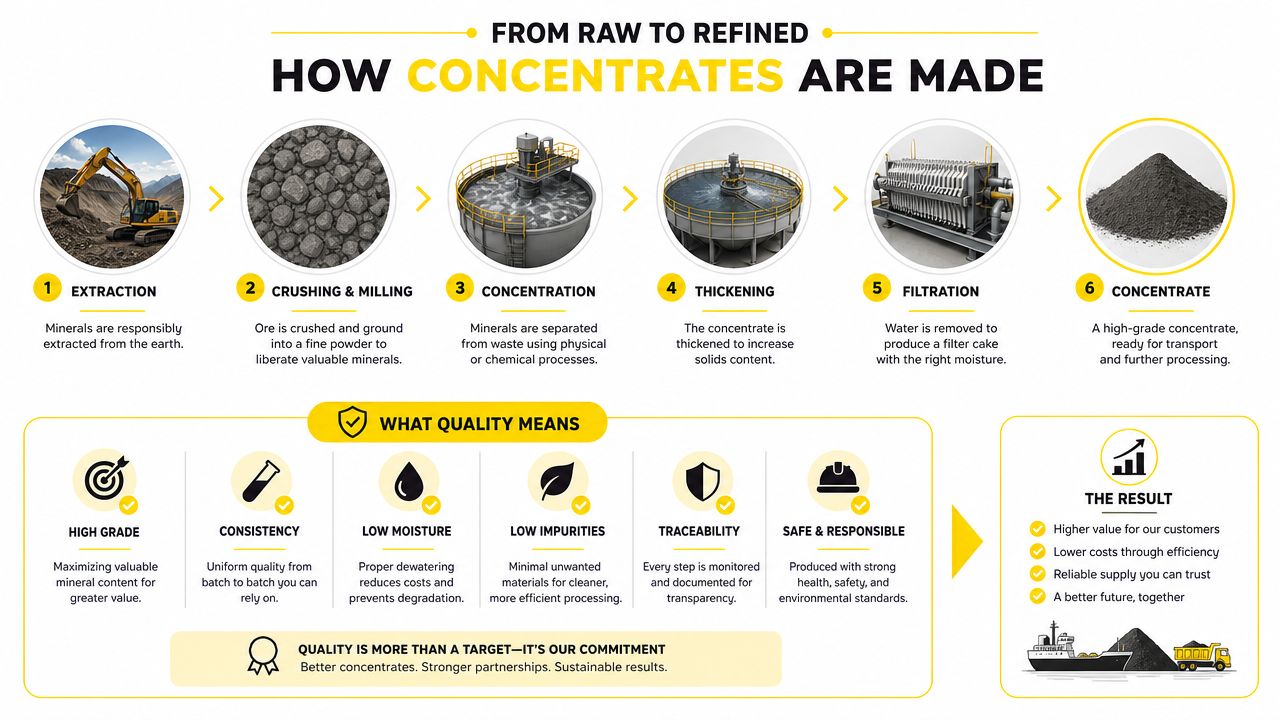
Extraction is the process of separating the plant's useful compounds, mainly cannabinoids and terpenes, from the raw flower. A helpful way to sort the options is by putting them into two groups: solvent-based and solventless. That production choice affects flavor, texture, residue risk, and sometimes how suitable a product feels for goals like pain support, evening relaxation, or small daytime doses.
Solvent-based versus solventless
Neutral guidance explains that concentrates are made either with solvents such as butane or CO2, or without solvents through methods such as rosin pressing (concentrate extraction and testing overview).
Here is the plain-English version.
- Solvent-based extraction is common for live resin, shatter, wax, and many vape oils. The goal is to pull desired compounds out of the plant with a processing agent, then remove that agent during refinement.
- Solventless extraction usually includes rosin and hash-style products. These methods rely on heat, pressure, water, or mechanical separation instead of chemical solvents.
Patients often hear “solvent-based” and assume lower quality. Quality depends more on clean manufacturing and lab verification than on the category alone. A well-made, well-tested solvent extract can be a strong fit for someone who wants consistency in a cartridge. A solventless option may appeal more to someone who cares about flavor, simplicity, or a fuller plant profile.
If you want a clearer picture of one common method, this guide to how hash oil and CO2 extraction work helps when you are comparing vape oils with dab-ready concentrates.
What quality looks like in real life
The quickest quality check starts on the label and the test panel, not with marketing words.
- Third-party lab testing gives you an outside check on potency and cleanliness.
- Clear potency labeling helps you estimate whether a product suits symptom relief, functional daytime use, or stronger evening effects.
- Named extraction method tells you whether you are buying rosin, resin, distillate, or another format with a different feel and use case.
- Terpene information often matters as much as THC percentage, especially for patients choosing between focus, calm, appetite support, or body-heavy relief.
Quality also means fit. A concentrate is “high quality” if it is clean, clearly labeled, and appropriate for the job you need it to do. For one person, that may be a terpene-rich extract used carefully after work. For another, it may be a simpler oil that is easier to portion in very small amounts.
Practical rule: If a concentrate has no clear test information, no extraction description, and no reliable labeling, skip it.
To see these methods in action, this video gives a visual walkthrough of how extraction works, which makes the process much easier to follow than a label alone:
Why terpenes matter
Terpenes are the aromatic compounds that give a concentrate its citrus, pine, gas, or earthy character. They also help explain why two products with similar potency can feel very different.
A stripped-down concentrate may suit someone who wants straightforward dosing with fewer variables. A fuller-spectrum concentrate with more terpene character may suit someone trying to support pain, stress, or evening comfort in a way that feels more rounded. That difference is a big part of choosing the best cannabis concentrate for your needs, not just the strongest one on the shelf.
Consumption Methods Dosing and Safety
The biggest mistake first-time concentrate users make is treating concentrate like flower. They take too much, and spend the next hour wishing they hadn't.
Official guidance emphasizes that concentrates can reach 40% to 80% THC or higher, and because they're often far stronger than flower, small-dose education is important for novices and medical patients (beginner concentrate safety guidance).
Three common ways people use concentrates
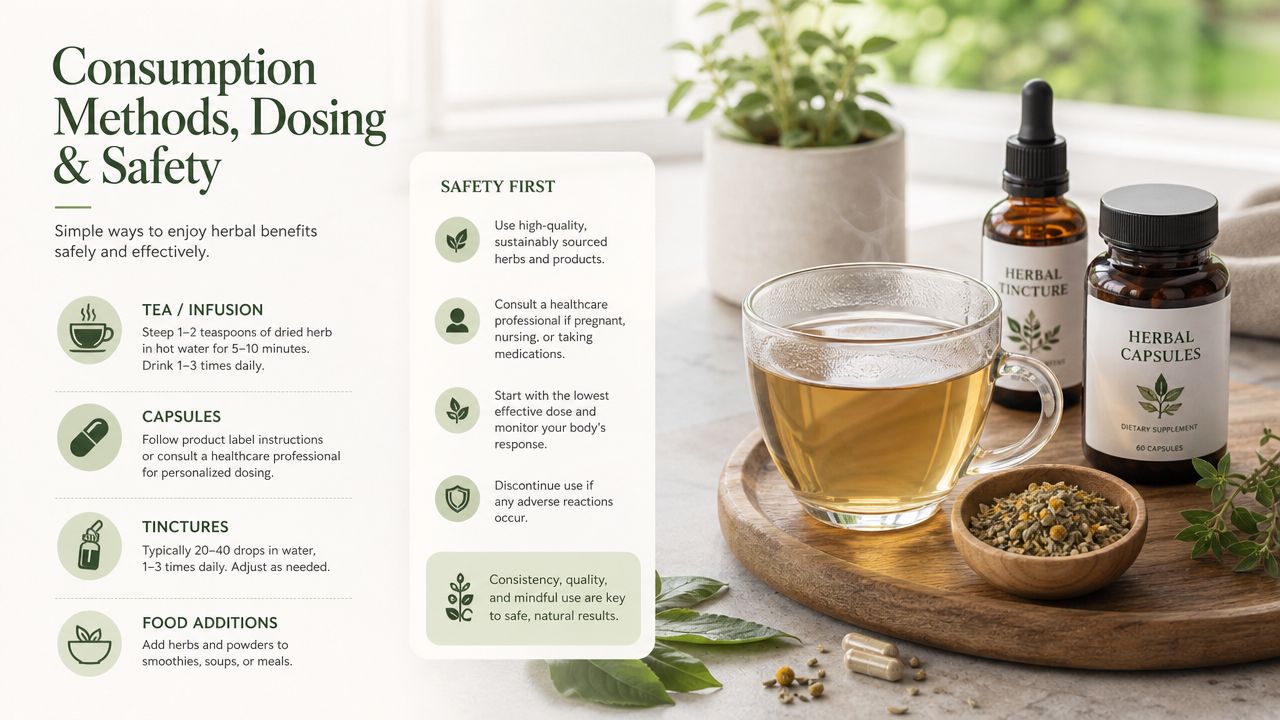
Dabbing gives quick effects and is the classic concentrate method. You place a very small amount on a heated surface and inhale the vapor. This method gives a lot of control over the amount, but only if you stay disciplined.
Vaping is often the easiest path for patients who want convenience and less setup. A cartridge or concentrate-compatible vaporizer can feel more approachable than a full dab rig. Temperature matters here because lower heat can preserve flavor better. If that part feels confusing, this guide on the best temperature for vaping weed makes it easier to think through.
Topping flower, sometimes called twaxing, means adding a tiny amount of concentrate to a bowl or joint. This works well for people who already like flower and want to boost it without learning a whole new device on day one.
A beginner dose that's easier to remember
Start with an amount no larger than a grain of rice, and for many people, even less is smarter.
That's not a gimmick. It's a practical visual reference. A tiny dab can still be a very strong dose when the product is concentrated.
Try this approach:
- Use a very small amount
- Take one inhale
- Wait and assess how you feel
- Only increase on a different session if needed
Safety habits that make a difference
Storage and cleanliness affect both safety and product quality.
- Store it cool and dark so the texture and aroma hold up better
- Use an airtight container to protect the concentrate from drying out or taking on odors
- Keep tools clean because old residue changes flavor and can make dosing less predictable
- Label strong products clearly if more than one person in the home uses cannabis
Small doses are easier to build from. Overshooting is hard to undo.
If you're new, don't make your first concentrate experience a giant evening dab after a long day. A calm setting, low dose, and simple device usually lead to a much better result.
Choosing the Right Concentrate for Your Needs
You walk into the shop after a long week and ask for the strongest concentrate on the menu. That sounds logical until you realize your real goal might be better sleep, steadier pain relief, or a tiny dose that helps you stay focused without feeling foggy. The better question is simpler. What do you need this concentrate to do in your actual day?
That mindset helps people choose with more confidence. Concentrates are less like a single category and more like a toolbox. A heavy wrench and a precision screwdriver are both useful, but not for the same job.
If your goal is pain relief
Pain relief usually comes down to two practical needs. You may want stronger symptom control than flower gives you, or you may want relief that lasts longer so you are not stopping to re-dose so often.
A few common matches:
- RSO for measured oral use and longer-lasting effects
- Distillate for a simple, potent format with predictable dosing
- Rosin or live resin for faster inhaled relief with more aroma and plant character
A simple way to sort this out is to ask yourself whether you need speed, duration, or both. Inhaled concentrates tend to act faster. Oral options like RSO usually take longer to kick in, but many patients prefer them when they want a longer runway of relief.
If your goal is sleep
Bedtime shopping goes better when you stop chasing the highest THC number and start looking for a calming profile that fits your routine.
These options often make sense:
- Live rosin for a fuller evening inhale
- Live resin for terpene-rich flavor during a wind-down session
- RSO if you do not want to inhale before bed
Lifestyle matters here as much as the product itself. If you want something quick on the nightstand, a vape may fit better. If your evening routine is slower and more intentional, a jarred concentrate may feel more satisfying. The right pick is the one you will use comfortably and consistently.
If your goal is daytime control
Here, people often buy too much strength and too little control.
For work, errands, or microdosing, repeatability matters more than raw intensity. You want a product that lets you take a very small amount and stay there. If label language starts getting confusing, this guide to THCA vs THC for DC patients can make those numbers easier to read.
Here is a simple way to match product to routine:
| Situation | Better fit |
|---|---|
| You want discreet use | Distillate vape |
| You want small controlled inhales | Low-output vape or tiny dab |
| You want a slight boost with flower | Soft wax or budder |
For daytime use, the best concentrate is often the one that stays out of your way. If you have to fight the device, guess at the dose, or recover from taking too much, it is probably the wrong format for that part of your day.
If your goal is flavor and overall experience
Some people care less about maximum potency and more about whether the concentrate still feels close to the plant. That is usually where live resin and rosin stand out.
They are often a good fit for people who want:
- More aromatic complexity
- A flower-like character
- Lower-temperature sessions
- A product that feels less stripped down
One question can save you from a mismatch at the counter. Ask whether the product is built more for flavor, effect strength, or convenience. At Mr. Nice Guys DC, that kind of conversation helps patients compare rosin, resin, carts, and oral concentrates in a way that matches real medical needs and real schedules, not just the biggest number on the label.
Shop Premier Concentrates in Washington DC
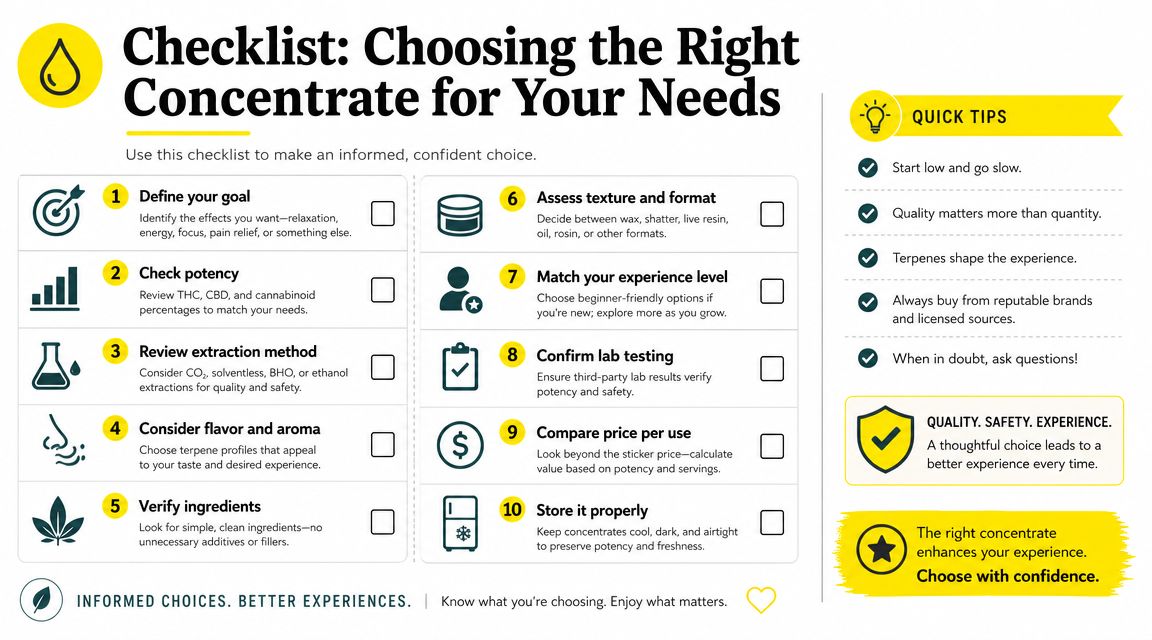
A good concentrate purchase usually comes down to three things. You want a product with clear testing, a format that fits your routine, and a profile that matches the effect you're after.
That's especially important in DC, where patients and adult consumers often shop across very different needs. One person wants a quiet evening rosin. Another wants a simple cartridge for short sessions. Another is trying concentrates for the first time and needs something manageable, not overwhelming.
What to look for when you shop
Keep your checklist short:
- Lab-tested products with transparent labels
- A format you'll use correctly
- Staff who can explain the difference between resin, rosin, distillate, and RSO
- Ordering options that fit your day, whether that's pickup, curbside, or delivery
If you're leaning toward carts and portable devices rather than jars, this guide to cartridges, pens, and disposables can help narrow the field.
Why education matters at the counter
Concentrates can be simple once the language clicks. The confusion usually comes from buying a product by name only.
A patient might ask for “the strongest concentrate” and leave with something that's too intense, too inconvenient, or not aligned with their actual goal. A better buying conversation sounds more like this: “I need something for evening pain but I don't want to smoke a lot,” or “I want a controllable vape for daytime use.”
That kind of clarity makes the menu much easier to use, whether you're ordering online for pickup on U Street, using curbside, or choosing delivery in DC and nearby areas.
Frequently Asked Questions About Concentrates
Can I put concentrates in a joint or bowl
Yes. People often add a small amount of wax, budder, or resin to flower in a bowl or inside a joint. This is commonly called twaxing.
The key is to use a little, not a lot. Too much concentrate can make the joint burn unevenly or make the bowl harder to light. A thin line or tiny dot usually works better than a heavy blob.
How long do concentrates stay fresh
That depends on the type, the container, and how you store it. In general, concentrates hold up better when they're kept in a cool, dark, airtight container.
You'll know a product is aging if the aroma fades, the texture changes a lot, or the flavor tastes dull compared with when you first opened it. That doesn't always mean it's unusable, but it can mean the experience won't be the same.
Is rosin better than live resin
Not automatically. It depends on what “better” means to you.
If you want a solventless concentrate, rosin will usually be the one you look at first. If you want a product many people choose for a bold terpene profile and strong aroma, live resin may be a better fit. One isn't the winner in every situation.
Rosin is often a process preference. Live resin is often a flavor preference.
Are concentrates only for experienced users
No, but beginners should be more careful with them than with flower. Small amounts matter more, and the effects can arrive quickly.
A first-time user often does better with a low-stress method like a simple vape or a tiny amount added to flower instead of jumping straight into a large dab.
If you want help choosing a concentrate that fits your routine, browse the menu at Mr. Nice Guys DC and use what you've learned here to compare formats by goal, not just by THC. If you're shopping for pain relief, sleep support, daytime control, or better flavor, a little guidance can make the choice much clearer.
Mr Nice Guys DC
At Mr. Nice Guys DC, we’re more than just a cannabis delivery service — we’re passionate advocates for quality, convenience, and community. With years of experience in the cannabis industry, our team is dedicated to educating and empowering customers across Washington, D.C. Whether you're a seasoned user or just starting your cannabis journey, our blog delivers trusted tips, product insights, and the latest updates from the world of weed. Stay informed, stay elevated.
