
Must Be 21 To Enter
By entering this site you are agreeing that you are at least 21 Years of Age or older.
I AM 21 OR OLDERFinding the Best Weed for Depression in 2026
.svg)

.png)
When you're trying to find the best weed for depression, it's important to know there’s no single answer. What works wonders for one person might be completely wrong for another. Think of it less like a prescription and more like a personal exploration to find what fits your body, your symptoms, and your tolerance.
Understanding How Cannabis Affects Depression
Let's be clear from the start: cannabis isn't a cure for depression. It’s a tool that some people use to manage their symptoms. The relationship between weed and depression is tricky—it’s a mix of your own body's chemistry, the plant's unique profile, and how much you actually use.
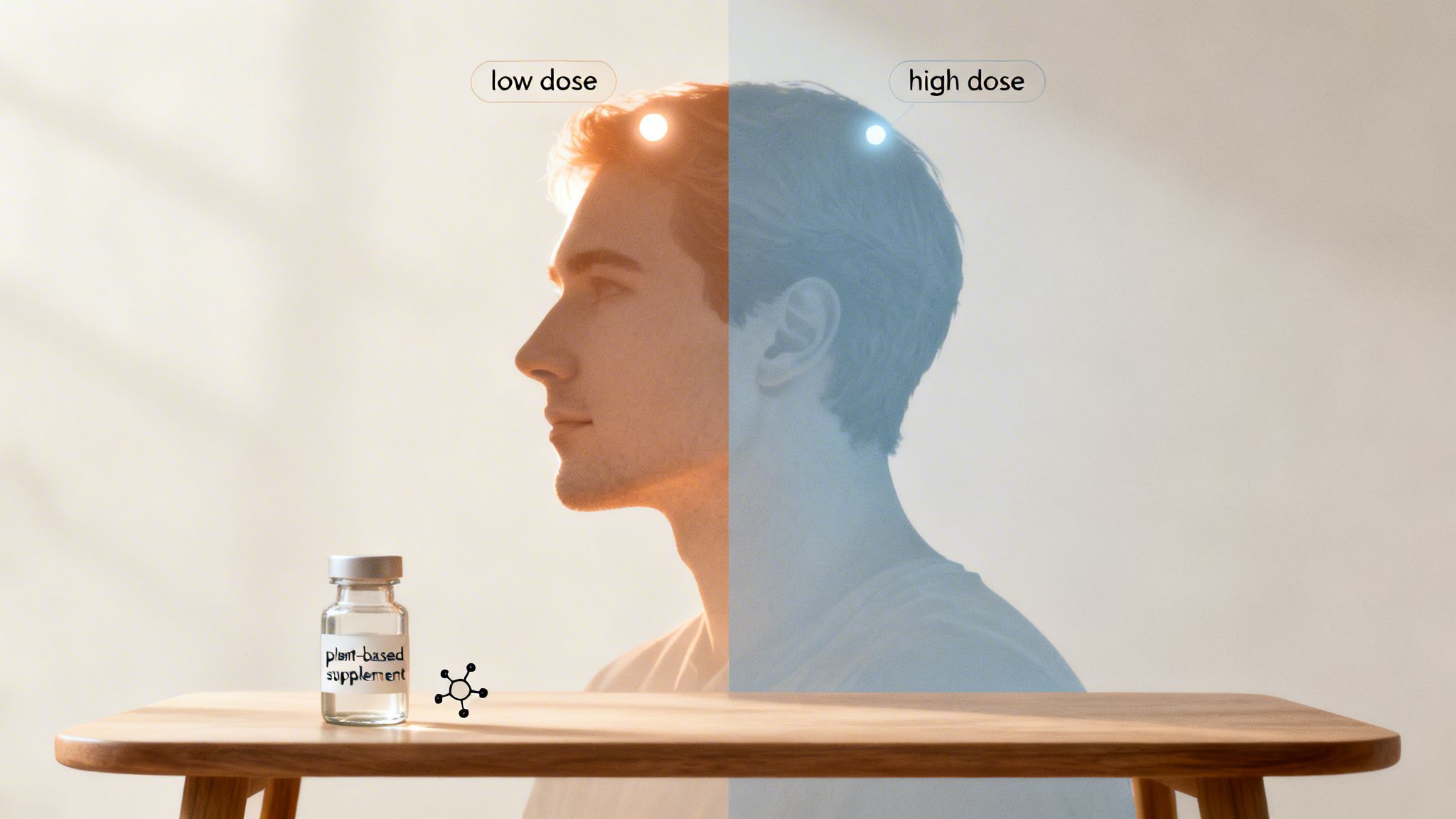
A great way to think about it is the biphasic effect, which sounds complicated but is really simple. It’s like adjusting the volume on your stereo. A low dose of the right strain can feel like turning down the "noise" of depressive thoughts, helping you feel more in the moment. For example, a single puff from a vape pen might be enough to lift a heavy fog and let you focus on making dinner or enjoying a conversation.
But if you crank that volume way up with a large dose, it can backfire. You might feel more anxious or just completely drained, which can make things worse. A practical example would be eating an entire high-potency gummy when you're inexperienced, which could lead to a racing heart and paranoia instead of relief. The goal is to find that sweet spot—the perfect volume—where you get the relief you want without the side effects you don't.
The Key Players: Your Body and The Plant
Your experience comes down to a constant back-and-forth between you and the specific plant you’re using.
- Your Individual Biology: Everyone has an endocannabinoid system, which is the network in your body that interacts with cannabis. But no two are exactly alike. This is why you and a friend can try the same exact strain and feel totally different things. You might feel uplifted and creative from a strain like Jack Herer, while your friend feels jittery and anxious.
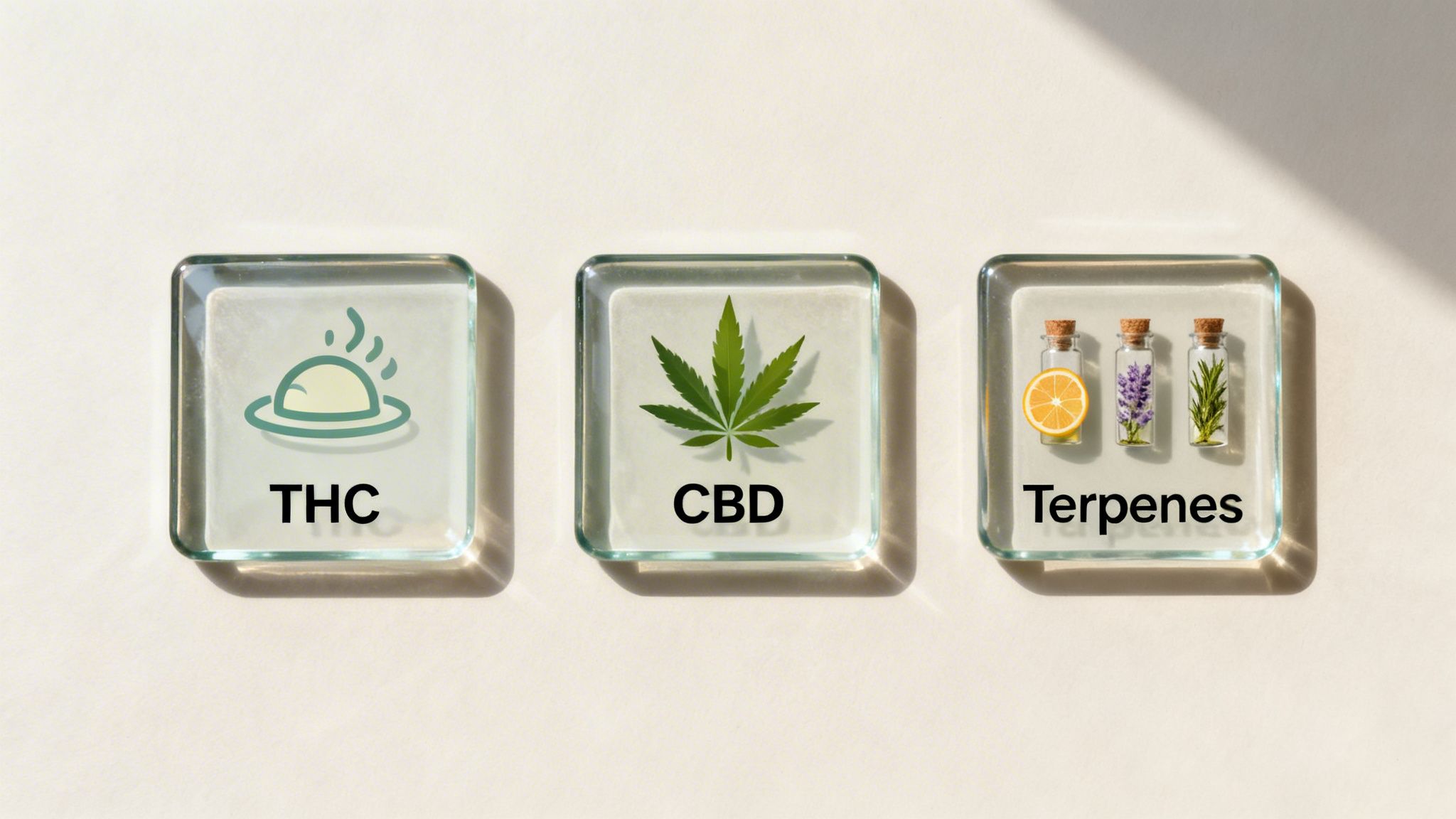
- The Plant's Chemistry: The effects you feel are driven by compounds called cannabinoids and terpenes. THC (tetrahydrocannabinol) is the famous one that causes the "high" and can bring on feelings of euphoria. On the other hand, CBD (cannabidiol) is non-intoxicating and is better known for its calming, balancing properties.
- Aromatic Terpenes: Ever wonder why some strains smell like lemons and others like pine? That's thanks to terpenes. These fragrant oils do more than just provide flavor and scent—they also help shape the high, acting almost like the "aromatherapy" of cannabis. For example, the limonene in a strain like Lemon Haze not only gives it a citrus scent but also contributes to its mood-lifting effects. If you're curious how different strain types create different effects, you can learn more about the differences between Indica and Sativa in our article.
This infographic breaks down how all these pieces—your mind, body, chemistry, and dose—fit together.
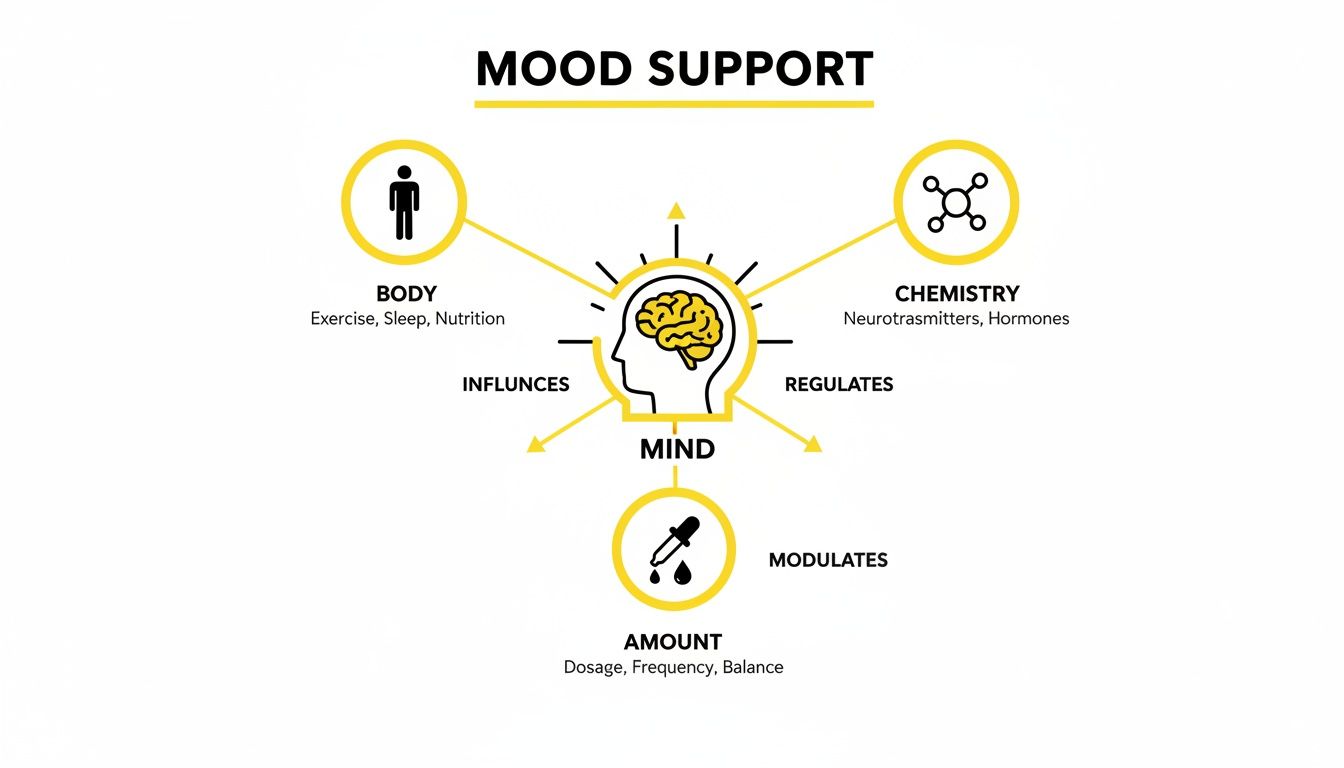
As you can see, getting the mood support you're after is all about balance. Getting a handle on this relationship is the first step. It shifts the goal from finding the "best weed for depression" to finding the best cannabis approach for you.
What Modern Research Says About Cannabis and Mood
For years, the chatter around using cannabis for depression was mostly just that—chatter. But now, the conversation is shifting as science finally starts to catch up with what people have been reporting for a long time. While we're still piecing the full story together, modern studies are giving us some pretty interesting clues about how cannabis and mood are connected.
Here's the main takeaway: for many people, cannabis can be a solid tool for managing symptoms, as long as it's used the right way. Science isn't looking at it as a magic "cure." Instead, researchers are digging into how its compounds can help regulate the body's own systems—especially the endocannabinoid system—that keep our emotions in check.
This new data helps explain why so many people feel real relief. It’s not just in their heads; there's a biological reason behind it.
Real-World Data on Depression Symptoms
Some of the most powerful evidence comes from watching how medical cannabis users fare over time. Take one massive real-world study that followed over 7,000 adults using cannabis for medical reasons. Out of 7,362 participants, almost 26% said depression was the main reason they were using it.
At the start, these folks had an average depression score of 13.7 on a standard questionnaire, which points to moderate or even moderately severe depression. What's incredible is that researchers saw the biggest improvements in these scores within the first three months. The good news didn't stop there, either—the positive effects held strong at the 12 and 18-month check-ins. You can get a deeper dive into the study's findings on cannabis and mood from Psychiatry Advisor.
This kind of long-term data is a huge deal. It shows a pattern of real, sustained improvement and suggests that mindful, consistent use might offer lasting benefits. It takes the conversation from "my buddy said it helped him" to something we can actually see and measure.
The Importance of a Balanced View
As exciting as these findings are, it's just as important to keep a level head. The scientific community is clear that the research is still evolving, and cannabis is definitely not a one-size-fits-all fix. Whether it works for you depends on a few key things.
Key Insight: The dose, the specific chemical makeup of the strain (its cannabinoids and terpenes), and your own body chemistry are what really drive the outcome. A high dose of THC, for example, can easily make anxiety worse, while a more balanced product might bring on a sense of calm.
Getting a handle on these details is everything. The goal isn't just to use cannabis, but to use it smartly. For instance, instead of smoking a whole joint of a high-THC strain, someone might try a 1:1 THC:CBD tincture, starting with just a few drops to find a gentle mood lift without the anxiety. Research keeps pointing back to the same idea: starting with a low dose and choosing your products with care is the best way to get good results and sidestep potential downsides like paranoia or feeling sluggish. As you figure out what might work for depression, it helps to see the bigger picture. Our guide on using cannabis for sleep, pain, and anxiety can fill in some of those blanks.
Ultimately, modern research backs up the idea that the "best weed for depression" is the one you choose with intention and knowledge. By listening to what the science is telling us, you can make smarter moves on your path to feeling better.
Choosing Your Allies: Terpenes and Cannabinoids
When you're trying to find the right cannabis for your mood, it helps to think of each strain as having its own unique personality. That personality comes from a team of compounds working together, and the two most important groups are cannabinoids and terpenes. Their combined effect is what makes one strain feel uplifting and another feel calm.
Looking at a product label is like scouting the roster. The goal isn’t just to pick a popular strain name; it’s to build a lineup that actually supports your mental state instead of making things worse. For example, instead of grabbing any product, you'd look for a lab report showing a high percentage of linalool if your depression includes anxiety and sleeplessness.
Once you get a feel for these compounds, you stop guessing and start making choices that really work for you. Let’s get into the key players.
The Dynamic Duo: THC and CBD
At the core of any cannabis product are its main cannabinoids, especially THC and CBD. They have a kind of push-and-pull relationship that's absolutely crucial for managing mood, particularly when you’re dealing with the weight of depression.
THC (Tetrahydrocannabinol) is the famous one, known for creating that euphoric lift. For anyone stuck under the heavy blanket of depression, a little THC can be a welcome shift in perspective, sometimes sparking a bit of creativity or just helping you find a moment of joy.
But THC has its limits. In high doses, it can turn on you, causing anxiety or paranoid thoughts that are the last thing you need. It’s the player that can win the game but might also throw a costly interception if you’re not careful.
CBD (Cannabidiol), on the other hand, is the calm, strategic presence. It’s non-intoxicating, so it won’t get you “high,” but its value is huge. CBD is well-known for its ability to soothe and take the edge off anxiety.
When it comes to depression, CBD's most important job is to act as a balancer. It works to mellow out the potential anxiety from THC, smoothing out the entire experience and keeping it grounded.
A strain with a healthy amount of CBD alongside the THC is often a much better bet for mood support. A practical example is choosing a strain like Harlequin, which often has a 5:2 CBD:THC ratio, to get a clear-headed, mild euphoria without the risk of a panic attack. This partnership lets you get the mood-lifting perks of THC while CBD helps keep everything from feeling too intense.
The Role of Terpenes: The Aromatherapy of Cannabis
Beyond the big cannabinoids, you have terpenes. These are the aromatic oils that give each strain its unique smell and taste—from zesty citrus and sharp pine to floral lavender. But they do a lot more than just smell good. Terpenes play a huge part in shaping a strain’s effects, a phenomenon known as the "entourage effect." For a full breakdown of how these compounds work together, our guide to what full-spectrum cannabis is goes into way more detail.
Think of terpenes as specialists on the team, each with a very specific skill.
- Limonene: This terpene is all about that bright, citrusy smell. It’s widely linked to elevating your mood and relieving stress. If depression has you feeling sluggish and unmotivated, a strain high in limonene might give you a nice, gentle boost of energy.
- Linalool: Found in lavender, linalool has that familiar floral, calming scent. People love it for its potential to ease anxiety and help you relax. If your depression comes with racing thoughts or restlessness, linalool can bring a much-needed sense of peace.
- Beta-Caryophyllene: With a spicy, peppery kick you'd find in black pepper, this terpene is special because it also acts like a cannabinoid. It can interact directly with your body’s endocannabinoid system to help dial down stress, which provides a comforting feeling without any high.
Learning to spot these terpenes on a product’s lab report helps you predict how a strain will make you feel far better than its name ever could. Here’s a quick guide to some common terpenes and the effects they’re associated with.
Terpenes and Their Potential Effects on Mood
This table matches common terpenes found in cannabis with the potential mood-related effects they may produce, helping you choose strains based on their aromatic and therapeutic profile.
Knowing your terpenes is a game-changer. It shifts your focus from just THC percentage to the whole profile of the plant, giving you much more control over your experience.
Finding Your Ideal Strain, Dosage, and Method
Alright, this is where the theory gets real. Now that you know a bit about cannabinoids and terpenes, you can start making some informed choices about what might actually help you. This isn't about finding a magical "best weed for depression," but more about discovering your own personal sweet spot.
First thing's first: let's move past the old-school thinking that every Sativa is a rocket ship and every Indica is a tranquilizer. While those labels can give you a rough idea, they don't paint the full picture. If your depression comes with a side of anxiety, a racy Sativa like Green Crack could just make things worse. On the flip side, if you're fighting off fatigue, a heavy Indica like Granddaddy Purple might glue you to the couch.
This is exactly why so many people find that balanced Hybrids are the perfect place to start. They tend to offer a gentle mood lift without sending you into orbit or knocking you out cold. Think of them as a happy medium—a much easier starting line as you figure things out.
The Golden Rule: Start Low and Go Slow
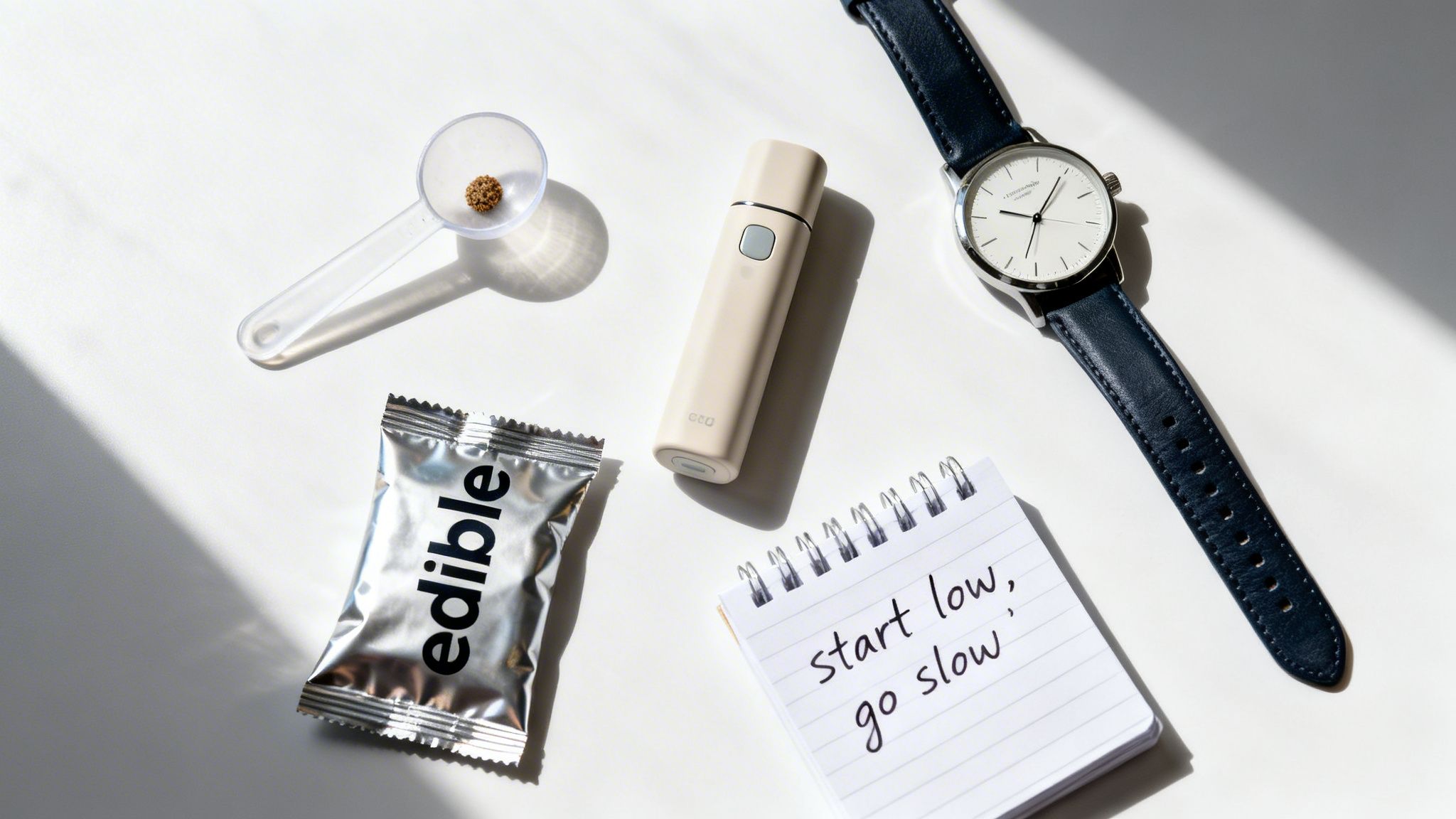
If you only remember one thing from this guide, make it this: start low and go slow. Seriously. The goal is to find your minimum effective dose—the smallest amount you need to feel better, without any of the unwanted side effects. This approach, often called microdosing, is the smartest way to begin your journey.
It’s like salting your food. You can always add a little more, but you can’t take it back out. Starting with a tiny dose, like one puff from a vape or a 2.5mg edible, lets you carefully check in with your body and mind.
By taking it slow, you give yourself the space to notice subtle shifts in your mood, energy, and thought patterns. This mindful process helps you identify the precise point where you feel relief without feeling overwhelmed, anxious, or overly sedated.
This isn’t just good advice; there’s research to back it up. One six-month review of medical cannabis users found that the right dose helped shift depression scores from moderate-severe to mild-moderate. In fact, a regression analysis showed that dosage alone explained about 23% of the improvement. It just goes to show how critical finding your dose is. If you want to dig into the numbers, you can read the full research on dosage and depression scores from Scientific Research and Information Technology.
Choosing Your Consumption Method
How you use cannabis is just as important as what you use. Different methods hit you differently—they vary in how fast they work, how long they last, and how intense they feel. Matching the method to your needs is a game-changer.
- Vaping or Smoking (Inhalation): This is the speed demon of consumption. You’ll feel the effects within minutes, which is perfect for those sudden, overwhelming moments. When a wave of anxiety hits or a dark cloud rolls in, a quick puff can provide almost instant relief and help you get grounded again.
- Edibles: These guys take the scenic route. Since they have to be digested, they can take anywhere from 30 minutes to two hours to kick in. The trade-off? Their effects are incredibly long-lasting, giving you a steady, gentle current of support for hours. A low-dose edible could be your best friend for getting through a tough afternoon or a long social event.
- Tinctures: Placed under the tongue, tinctures are the happy medium. They absorb faster than edibles but slower than smoking, usually taking effect in about 15-45 minutes. The real win here is the precision—you can measure your dose drop by drop, giving you total control.
For a deeper dive, our guide on edibles vs. vapes vs. flower can help you weigh the pros and cons for your lifestyle. The right choice really comes down to what you need. Fast relief right now, or steady support for the next few hours? Answering that will point you in the right direction.
Navigating Potential Risks and Side Effects Safely
While finding the right weed can feel like a game-changer for depression, a smart approach means looking at the whole picture—including the downsides. Knowing the risks isn't meant to scare you off. It’s about giving you the power to make mindful choices that keep you safe and in control.
The goal here is to use cannabis as a tool, not a crutch. Being aware of what can go wrong helps you keep things in a healthy balance.
Understanding and Managing Common Side Effects
Most of the time, the side effects of cannabis are pretty mild, but they can definitely be unpleasant if you’re not ready for them. Let’s break down a few common ones and how to deal with them.
Paranoia and Anxiety
This is the classic sign of too much THC. If you feel your thoughts racing or a sudden sense of dread kicks in, it’s a good indicator you’ve gone a bit too far.
- The Fix: Go for strains with a more balanced THC-to-CBD ratio. CBD is great at softening the anxious edge of THC, leading to a much smoother, more grounded feeling. Strains with calming terpenes, like Blue Dream, can also keep things mellow.
Grogginess and Fatigue
Ever heard of a "weed hangover"? This is it. It’s common after taking strong edibles or high-THC indicas, leaving you feeling foggy, tired, or just plain unmotivated the next morning.
- The Fix: Try a lower dose next time, or have your edible a couple of hours earlier in the evening. For example, if a 10mg edible left you groggy, try a 5mg one next time around 7 PM instead of 9 PM. Staying hydrated before, during, and after you use cannabis also makes a world of difference in how you feel the next day.
Dry Mouth and Eyes
Ah, "cottonmouth." It's a classic for a reason and happens because cannabinoids can mess with your saliva production.
- The Fix: This one’s easy. Keep a water bottle nearby and sip it often. A few lubricating eye drops before you start can also keep your eyes from feeling scratchy and uncomfortable.
The Risk of Overuse and Dependency
It's important to be real about the relationship between cannabis and mental health. While many people find it helps, some data shows a link between heavy use and not-so-great outcomes. For example, a 2014 meta-analysis found that heavy, weekly cannabis users had a 1.62 times higher risk of developing depression compared to people who don't use it. You can dig into the data yourself and learn more about the links between cannabis and mood from this detailed review.
That doesn't mean cannabis is the cause, but it does make a very important point.
Moderation is Key: The research suggests that for some people, heavy use can start working against them. If you notice you need more and more to feel the same effects (tolerance) or feel anxious and irritable when you go without it (withdrawal), those are signs you should step back and re-evaluate things.
Using cannabis mindfully—with a clear intention and in moderation—is the best way to steer clear of dependency and make sure it stays helpful. For example, setting clear boundaries, like only using cannabis in the evenings after work is done or taking "tolerance breaks" for a few days each month, can help maintain a healthy relationship. Always remember that cannabis is a supplement to your mental health care, not a replacement for therapy, professional guidance, or prescribed medications. Checking in with your doctor is always the safest first move.
How to Start Your Journey with Expert Guidance
Trying to find the right cannabis for depression can feel like walking into a maze blindfolded. With all the different strains, terpenes, and ways to consume, it's totally normal to feel a bit lost. But you don’t have to piece it all together on your own. Having a knowledgeable guide can turn what feels like a confusing chore into a supportive, confident experience.
Think of it this way: you wouldn't just wander into a gym and start guessing which machines to use, right? You'd hire a trainer. They figure out your goals, show you the right way to do things, and make sure you don't get hurt. A good budtender at a place like Mr. Nice Guys DC does the exact same thing for your cannabis journey.
The Value of a Real Conversation
An expert doesn't just push a product; they listen. They take the time to understand what you're going through and translate that into real, practical recommendations. That conversation is hands-down the most important step in finding what actually helps.
For example, a good budtender will ask you things like:
- "What does your depression feel like?" Is it more about being stuck on the couch with zero motivation, or is it that hamster-wheel of anxious thoughts you can't shut off?
- "What have you tried in the past?" Knowing what has or hasn't worked before helps them avoid recommending something that won't jive with you.
- "What are you hoping to achieve?" Are you looking for a little boost to get through the workday, or do you need something to help quiet your mind so you can finally get some decent sleep?
This back-and-forth is everything. Based on what you tell them, they can make some really targeted suggestions. For someone fighting off fatigue, they might point to an uplifting flower like Blue Dream, which is known for its bright limonene content. But for someone whose depression is tangled up with anxiety, they might suggest a calming Gelato vape, full of relaxing linalool.
This kind of personalized guidance is what separates a random purchase from an intentional, therapeutic choice. It’s all about matching the plant's unique profile to your specific needs so you can start off on the right foot.
Partnering with Pros for a Safe Start
A quality dispensary does more than just give good advice—it offers a safe, well-curated menu of products. At Mr. Nice Guys DC, every single item we carry, from flower and vapes to edibles and tinctures, is picked for its quality and consistency. Plus, the labeling is always clear. You know exactly what you're getting, every time.
This focus on quality and education is what gives you the confidence to make good decisions. If you're new to all this, learning the ropes is key. To get a better sense of what to expect, check out our guide on what to know before your first visit to Mr. Nice Guys DC. It's all about building a partnership where you feel seen, heard, and supported from start to finish.
Frequently Asked Questions
We get a lot of questions about this topic, and it makes sense. Thinking about using cannabis for something as personal as depression can feel complicated. Here are some straight answers to the things we hear most often, to help you feel more confident about your choices.
What Is Better for Depression Sativa or Indica?
This is probably the number one question we get, and the honest answer is: it depends entirely on your depression. There’s no single "best weed for depression" because symptoms aren't one-size-fits-all.
Sativas can give you that energizing, uplifting buzz, which might be perfect if you're struggling with low motivation or feeling stuck. For example, a morning puff of a sativa like Sour Diesel might help someone get out of bed and start their day. The flip side is they can sometimes make anxiety worse for some people. On the other hand, indicas are known for their calming, body-relaxing effects that can be a lifesaver for stress and sleepless nights, but they might make daytime fatigue more of an issue.
That’s why so many people land on a balanced Hybrid. It can often provide a gentle mood boost without sending you soaring or locking you to the couch. The best move is always to start with a low-dose Hybrid, see how you feel, and go from there.
Can I Use Cannabis with My Antidepressant Medication?
This is a huge one, and the answer is simple: you must discuss this with your doctor. Cannabis can interact with all sorts of medications, including many antidepressants. These interactions could mess with how well your medication works or even ramp up the risk of side effects. For instance, combining cannabis with certain SSRIs could potentially increase the risk of serotonin syndrome, a serious condition.
Only a doctor or another qualified healthcare professional who knows your medical history can give you safe, personalized advice. Never change your medication plan without their direct supervision. Your safety has to come first, always.
How Long Does It Take to Feel the Effects?
The timing all comes down to how you take it. Here’s a quick rundown of what to expect:
- Inhaling (Vaping or Smoking): This is the fastest route. You'll typically feel the effects within minutes, which is great for tackling a sudden wave of distress or a panic attack.
- Edibles and Tinctures: These take their time. Because they have to go through your digestive system, you're looking at anywhere from 30 minutes to two hours to feel anything. The trade-off is that the effects last much longer, giving you steady support for hours.
When you're trying to manage ongoing symptoms, some research points to consistent, mindful use over several weeks as the key to seeing more stable and noticeable mood improvements.
Is It Possible for Cannabis to Make My Depression Worse?
Yes, it's definitely a possibility, and it almost always comes down to the dose and the product. Taking too much THC, especially if you're new to cannabis, can sometimes crank up anxiety and paranoia, which obviously won't help your mood. On top of that, some studies link heavy, long-term use to a lack of motivation, sometimes called "amotivational syndrome." For example, if you find that daily use is making it harder to get off the couch or engage in hobbies you once loved, that's a red flag.
This is exactly why we're always repeating the "start low and go slow" mantra. It’s not just a catchphrase; it’s the best way to stay safe. Choosing strains with a good balance of CBD and THC can also be a game-changer, as CBD can help smooth out THC's sharp edges and keep the experience more grounded.
Finding the right product can feel like a lot to figure out, but you don't have to go it alone. The crew at Mr. Nice Guys DC is here to listen to what you need and point you toward something that actually fits your goals. Check out our curated menu and start your journey with people who have your back at https://www.mrniceguysdc.com.
Mr Nice Guys DC
At Mr. Nice Guys DC, we’re more than just a cannabis delivery service — we’re passionate advocates for quality, convenience, and community. With years of experience in the cannabis industry, our team is dedicated to educating and empowering customers across Washington, D.C. Whether you're a seasoned user or just starting your cannabis journey, our blog delivers trusted tips, product insights, and the latest updates from the world of weed. Stay informed, stay elevated.
